









Urinary Incontinence
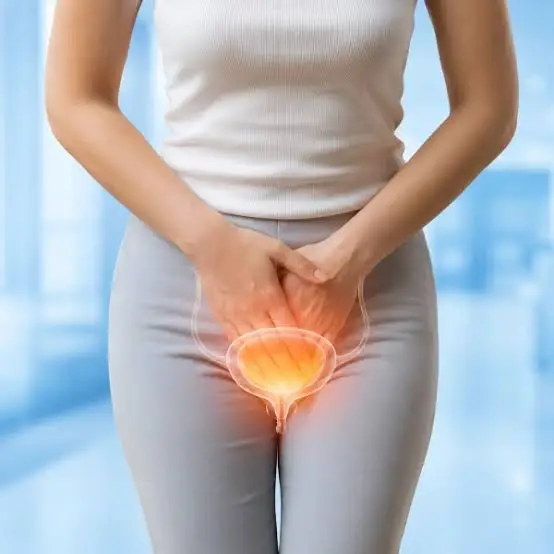
Urinary incontinence – or loss of bladder control – is the inability to control urination, whether persistent or intermittent. The severity of urinary incontinence ranges from occasional leakage when coughing or sneezing to a sudden, powerful urge to urinate to the point where you can't reach the toilet in time, and almost complete incontinence. Objectively, it can be graded as mild, moderate, or severe based on a pad test.
What is urinary incontinence?
Urinary incontinence – or loss of bladder control – is the inability to control urination, whether persistent or intermittent. The severity of urinary incontinence ranges from occasional leakage when coughing or sneezing to a sudden, powerful urge to urinate to the point where you can't reach the toilet in time, and almost complete incontinence. Objectively, it can be graded as mild, moderate, or severe based on a pad test.
Although it occurs more frequently in men, urinary incontinence is not an inevitable consequence of aging; it can also occur in young people. Women experience urinary incontinence more often than men (6-40% in women, 17-40% in men).
Types of Urinary Incontinence
1- Stress incontinence (urinary leakage):Stress incontinence refers to urinary leakage that occurs during stressful or strenuous activities such as coughing, sneezing, laughing, exercising, or lifting heavy objects. During these strenuous activities, the pressure inside the bladder increases, and the muscles and mechanisms responsible for urine retention cannot withstand this pressure, resulting in leakage.
2- Stress incontinence:Urge incontinence is a sudden, urgent urge to urinate that prevents one from reaching the toilet in time or delaying urination, resulting in leakage. The leakage can range from a single drop to a full bladder. The need to urinate at night is often pronounced. This type of incontinence can stem from simple problems like infections or more serious conditions such as neurological disorders or diabetes.
3- Overflow incontinence:It refers to the continuous leakage of urine, drop by drop, from a bladder that does not empty completely after reaching capacity.
4- Functional incontinence:There are conditions, due to a physical or mental disorder, that prevent one from reaching the toilet in time. This type of urinary incontinence arises from physical or mental limitations that prevent a person from reaching the toilet in time, such as joint diseases, stroke, or nervous system disorders. For example, in cases of severe arthritis, there are functional problems such as not being able to unbutton your pants quickly enough.
5-Mixed type urinary incontinence:When more than one type of urinary incontinence occurs together, the term mixed or induced incontinence is used. Typically, a condition where both urge and stress incontinence occur together is an example of mixed incontinence.
6. Persistent urinary incontinence:Urinary incontinence is caused by an abnormal opening (fistula) between the urethra and the vagina. This fistula can also occur between the urethra and the rectum.
7. Transient urinary incontinence:Urinary tract infection refers to occasional urinary incontinence due to a temporary condition such as the use of certain medications.
When Should You See a Doctor and How Should You Prepare?
Many patients with urinary incontinence remain untreated because they feel uncomfortable and embarrassed about discussing their condition, often attempting to prevent and treat it themselves through simple lifestyle and dietary changes. However, if urinary incontinence occurs frequently or significantly impacts daily life, it is crucial to seek medical attention without hesitation.
It is important to seek medical help if you experience urinary incontinence because:
- It can lead to restrictions on your social life and interactions.
- It negatively affects your quality of life.
- Especially in elderly patients, accidents can occur while reaching the toilet, and there is a risk of falls.
- Urinary incontinence could be a symptom of a much more serious underlying problem.
When you visit your doctor, here are some questions you should ask about urinary incontinence:
- What could be the cause of urinary incontinence?
- Is there a permanent cure for this problem?
- What tests should be done?
- What are the treatment options, which one do you recommend, and how would it benefit me?
- What will the outcome be if I receive treatment or not, and what might happen months and years later?
- Can medication prevent urinary incontinence?
- What are the side effects of drug treatment?
- Do I need surgery, and is it absolutely necessary?
- What surgical options are available?
- When can I expect to see benefits from the treatment?
What are the Causes and Risk Factors of Urinary Incontinence?
Urinary incontinence can result from daily habits, underlying medical conditions, or physical problems. Accordingly, we can divide urinary incontinence into two groups: temporary and permanent, or persistent, incontinence.
1- Temporary urinary incontinence
Some urinary incontinence caused by certain drinks, foods, and medications is temporary and may disappear when the causing medication, food, or drugs is changed.
Foods, drinks, and medications that can cause temporary urinary incontinence include:
- Alcohol
- Caffeine
- Carbonated drinks and mineral water
- Artificial sweeteners
- Chocolate
- Chili pepper
- Foods high in spices, sugar, or acid, especially citrus fruits.
- Heart and blood pressure medications, sedatives, and muscle relaxants.
- High doses of vitamin C intake
Urinary tract infection:Infections can irritate the bladder, causing a strong urge to urinate and sometimes urinary incontinence.
Constipation:The rectum is adjacent to the bladder and shares almost the same nerves. Hard stools in the rectum can cause these nerves to become overactive, increasing the frequency of urination and leading to temporary urinary incontinence.
2- Persistent and Chronic Urinary Incontinence
Persistent and persistent urinary incontinence, caused by underlying physical problems or changes, may include the following:
Pregnancy:Hormonal changes and the increasing weight of the baby (fetus) can lead to stress incontinence.
Birth:Vaginal, or normal, childbirth can weaken the muscles necessary for bladder control and damage the nerves and supporting tissues of the bladder, leading to pelvic floor prolapse. With prolapse, the bladder, uterus, rectum, or small intestine can be pushed further down than their normal position and protrude into the vagina. This can cause urinary incontinence.
Aging:Aging of the bladder muscle can reduce the bladder's urine storage capacity. Additionally, involuntary bladder contractions become more frequent with age, potentially leading to urge incontinence.
MenopauseAfter menopause, women produce less estrogen, the female hormone that helps maintain the health of the inner lining of the bladder and urethra. The partial loss of function and drying of these tissues due to hormone withdrawal can trigger and worsen urinary incontinence.
Prostate enlargement:In older men in particular, urinary incontinence is often a result of benign prostatic hyperplasia (BPH).
Prostate cancer:While stress or urge incontinence can occur in men with untreated prostate cancer, it is more commonly seen as a primary complication following surgery, focal treatment, radiotherapy, and other medical treatments for prostate cancer.
Urinary tract obstruction and stricture:Tumors or strictures anywhere in the urinary tract that obstruct normal urine flow can lead to overflow incontinence. Similarly, urinary tract stones – hard, stone-like masses that form in the bladder – can sometimes cause urine leakage or incontinence.
Neurological disorders:Multiple sclerosis, Parkinson's disease, stroke, brain tumor, or spinal cord injury can cause urinary incontinence by blocking nerve signals responsible for bladder control.
What are the risk factors for urinary incontinence?
Factors that increase the risk of urinary incontinence include:
- Gender:Women are more likely to experience stress incontinence. Pregnancy, childbirth, menopause, and normal female anatomy are considered responsible for this difference. However, men with prostate problems are also at risk for urge and overflow incontinence.
- Age:Aging of the bladder muscle can reduce the bladder's urine storage capacity. Additionally, involuntary bladder contractions become more frequent with age, potentially leading to urge incontinence.
- Excess weight - obesity:The extra weight increases pressure on the bladder and surrounding muscles, weakening resistance and potentially leading to leakage and escape of urine when coughing or sneezing.
- Smoke:Tobacco use has been shown to increase the risk of urinary incontinence.
- Family history:If a close family member has urinary incontinence, especially urge incontinence, the risk of developing this condition is higher for other people.
- Some diseases:In chronic diseases such as neurological disorders and diabetes, the risk of urinary incontinence is higher.
- Prostate Surgeries:Prostate and pelvic surgeries are considered risk factors for urinary incontinence.
Side Effects and Complications of Urinary Incontinence
In cases of chronic urinary incontinence, the following side effects are expected:
- Skin problems:Constant wetness due to urinary incontinence can cause skin rashes, skin infections, and sores.
- Urinary tract infections:Urinary incontinence increases the risk of recurrent urinary tract infections.
- Impairment in daily quality of life:Urinary incontinence can inevitably have negative effects on daily life. It can affect your social life, religious practices, work, and personal relationships.
Is urinary incontinence preventable?
Urinary incontinence is not always preventable. However, some measures can be taken to reduce the risk of incontinence. These measures include:
- Maintain a healthy weight.
- Perform pelvic floor exercises - Kegel exercises.
- Avoid bladder irritants such as caffeine, alcohol, and acidic foods.
- To prevent constipation, which can cause urinary incontinence, consume more fiber-rich foods.
- Don't smoke, or if you smoke, get help to quit.
How is urinary incontinence diagnosed?
First, it's crucial to determine the type of urinary incontinence, as this is the first step in diagnosis. This information will guide treatment decisions and the course of treatment.
Medical HistoryTo determine the type of urinary incontinence, a thorough history and physical examination will be necessary. The doctor will want to know about your medical history, including any other conditions you may have had that could be related to urinary incontinence, and any medications you are currently taking.
Common questions that might be asked include:
- The onset and progression of symptoms, the number and amount of daily urinary incontinence.
- Questions that can help determine the type of urinary incontinence include: sudden urge to urinate, urinary leakage when coughing or laughing, feeling of whether the bladder is completely empty after urination, burning sensation during urination, frequent urination or the need to urinate at night, and the number of these urinations.
- Whether the complaint is related to the menstrual cycle or sexuality.
- Situations that reduce or worsen the symptoms
- Existing medical conditions (diabetes, neurological diseases, hypertension, etc.) and the medications used for them.
- Smoking status
- Daily fluid intake and distribution.
- Daily coffee and alcohol consumption
- Surgeries performed
- constipation inquiry
- Number and type of pregnancies and births.
- Menopause
Physical examination:A thorough examination is essential for patients with urinary incontinence. This includes a detailed general physical examination, genital, neurological, rectal (for men), and gynecological (for women). In addition to examining the external genitalia, a vaginal examination is performed, during which the patient is asked to strain to check for weakened muscles and connective tissue in the pelvic region, and to determine if organs such as the bladder, uterus, or rectum are herniating into the vagina.
Ped Testi:The pad test is one of the concrete tests. In the short-term pad test, a pad of a known weight is given to the patient, and they are instructed to drink plenty of fluids orally. For one hour, the patient is asked to perform movements that increase intra-abdominal pressure, such as coughing, climbing stairs, and sitting and standing. At the end of the time, the pad is removed, and its weight is measured again; the difference shows the amount of urine leakage. In the long-term pad test, the pad given to the patient is kept in place for 1 to 24 hours, depending on the patient's complaint, and they are again instructed to perform some movements that increase intra-abdominal pressure. At the end of this period, the pad(s) are weighed again, and the severity of urinary incontinence is determined. Accordingly, urine leakage is considered normal if it is less than 2 grams, mild if it is between 2-10 grams, moderate if it is between 10-50 grams, and severe if it is more than 50 grams.
Stress test:With the bladder approximately 300 cc full, and preferably in the position the patient describes as leaking urine (sitting or walking), the patient is first asked to strain, then to cough, and the presence of urine leakage is checked. If leakage is observed, the stress test is considered positive. This test alone may not be indicative of anything, but it is considered evidence that the patient is experiencing urinary incontinence.
In the continuation of this test, the vaginal area is gently lifted on both sides of the urethra towards the pubic bone above, and the stress test mentioned above is repeated. If the patient does not experience urinary incontinence, it means that the patient may benefit from a surgical procedure.Boney-Marchetti lyricsIt is said to be a reliable test, but it's not very accurate.
Following this test, a cotton-tipped swab is inserted into the urethra, and the angle formed by the swab and the horizontal plane is observed during a straining maneuver. If the angle is greater than 35 degrees, it is considered that the anatomical support of the bladder outlet is reduced, and these patients may benefit from surgical intervention. If the angle is less than 35 degrees, the chance of benefiting from surgery is considered low. This test also...‘’Q-tip test’’It is called a "test". It is a relatively more reliable test.
Patient Inquiry Forms:To assess the extent to which urinary incontinence affects daily life and to objectively record the symptoms, the patient is asked to fill out a form. These forms are repeated during the treatment process and at follow-up appointments, and will help to determine the extent to which the symptoms have improved.
Urination diary:Patients are asked to record urination time, urination volume, fluid intake, frequency and amount of urinary incontinence, and physical activity within a specific time interval. This helps determine the patient's urination patterns and toilet habits. A urination diary can be kept for up to 7 days, but a 3-day record is usually sufficient.
Urine Analysis:A simple urine test can give us clues about urinary tract infections, bleeding, and other metabolic abnormalities. It is a basic test that should be requested in patients with urinary incontinence.
Residual Urine Amount:Urine remaining in the bladder after urination is called residual urine. It can be measured using a catheter or ultrasound. Residual urine can worsen urinary incontinence or increase the risk of a urinary tract infection. A large amount of residual urine in the bladder may indicate a blockage in the urinary tract or a problem with the nerves and muscles of the bladder.
Urodynamic Evaluation:Urodynamic testing is a test performed to obtain more information about your urinary cycle and how your bladder contracts. It is particularly recommended for patients with neurological problems and those considering surgery; it is not a routine procedure for patients with urinary incontinence. This procedure can be performed in two forms: a simple uroflowmetry test and a complex, invasive urodynamic examination.
- 1-Uroflowmeter:Uroflowmetry is a simple examination that electronically measures urine flow rate. It is a test that can be easily performed in hospital outpatient clinics or doctor's offices. The patient is asked to urinate into the electronic device with a full bladder; the maximum urine flow rate provides information about the amount urinated and the urination configuration.
- 2- Invasive-interventional urodynamic tests:This procedure is considered appropriate when surgical treatment is being considered, when a neurological problem is suspected, or when a diagnosis cannot be made with other tests. During an invasive urodynamic examination, a doctor or nurse inserts a catheter into the urethra and rectum to measure intra-abdominal and bladder pressure. Fluid is slowly introduced through the catheter to create a situation similar to the filling of the bladder, and all pressures are measured and recorded during filling and emptying.
Cystoscopy:Cystoscopy is a primary diagnostic method that allows examination of the bladder and urethra using a lighted, camera-equipped endoscope called a cystoscope. Cystoscopy is not among the initial tests for urinary incontinence. This test is necessary when other symptoms, such as blood in the urine, are present. Similar to urodynamic testing, it can be performed if there is suspicion of incontinence.
Imaging methods:Ultrasonography is the most common imaging method used for diagnosis. More advanced imaging techniques such as urography, CT scans, and MRI are also used when necessary. Imaging of the urinary tract, unlike cystoscopy and urodynamic testing, is not among the initial tests for urinary incontinence.
How is urinary incontinence treated?
Treatment for urinary incontinence varies depending on the type, severity, and underlying cause of the incontinence, and there are many treatment methods. A combination of treatments may be necessary. Some measures, such as lifestyle changes and bladder and pelvic floor muscle exercises, may be effective initially. Surgery and medication may be considered when these methods are ineffective. Medication is often combined with some standalone treatments such as lifestyle changes and bladder and pelvic floor exercises. Urinary incontinence rehabilitation includes teaching pelvic floor muscle exercises, biofeedback, and electrical stimulation, and is performed by physiotherapists or, more specifically, urotherapists. You may be advised to work with a pelvic floor physiotherapist to identify the correct muscles and learn how to contract and relax them, or to try biofeedback techniques.
1- Personal Management and Non-Drug Treatment of Urinary Incontinence
Lifestyle Changes:By looking at what, when, and how much they eat or drink in their daily diet, patients can estimate which foods and drinks affect urinary incontinence. The best way to understand this is to try different foods and drinks and see their effects. Some dietary changes can improve urinary incontinence to some extent. Adjusting the amount of fluids to be consumed daily in consultation with a doctor can be a simple solution. Caffeine, alcohol, and other potent beverages may not cause urinary incontinence, but they can increase the feeling of urgency and frequent urination in some people. Therefore, avoiding these beverages may improve urinary incontinence to some extent. Avoiding foods that irritate the bladder, such as spicy foods, lemons, and strong-smelling cheeses, may also be helpful. Constipation and excessive weight gain have been found to be associated with urinary incontinence. To reach and maintain a healthy weight and to have regular bowel habits, it is very important that your diet is balanced and includes fruits, vegetables, and fiber-rich foods. You may especially see an improvement in your symptoms once you reach a healthy weight.
To minimize problems related to urinary incontinence and skin irritation, the following measures can be taken:
- Use a cloth for cleaning.
- Allow your skin to air dry.
- Avoid frequent washing and showering, as these can reduce your body's natural defenses against bladder infections.
- You can use a barrier cream, such as petroleum jelly or cocoa butter, to protect your skin from irritation caused by urine.
- You can use special absorbent pads and underwear.
If you specifically experience functional incontinence and/or nocturnal enuresis (bedwetting), you can improve the toilet and the pathway to the toilet you use.
- Move any rugs or furniture that you could trip over or bump into while going to the toilet.
- Use a night light to illuminate your path and reduce the risk of falls.
- Enlarge an existing bathroom door.
- Install a raised toilet seat.
Bladder Training:The first stage of bladder training is keeping a voiding diary for 3-7 days. This diary records how much fluid you drink, how often you urinate, and the amount of urine you produce. Based on this information, your doctor will provide recommendations regarding daily urination frequency and ask you to follow them. If bladder training is successful, your bladder capacity will increase, allowing you to store more urine. The first step in bladder training can be delaying urination after the urge to urinate begins. You can start by trying to delay urination for 10 minutes each time you feel the urge. The goal is to delay going to the toilet until you only need to urinate every 3-4 hours.
Increasing bladder capacity is not suitable for patients with overflow incontinence; on the contrary, it may have a negative effect. Unlike other types of incontinence, overflow incontinence requires effort to completely empty the bladder. To help learn to completely empty the bladder, repeating each urination period twice, known as double voiding, can be quite beneficial for these patients. Double voiding means that after urinating completely in the first instance, you wait a few minutes and then urinate again; the goal is to ensure complete emptying of the bladder by urinating repeatedly. It is also recommended to urinate every 3-4 hours without waiting for the urge.
Pelvic Floor Muscle Exercises (Kegel Exercises):The pelvic floor muscles support the bladder and abdominal organs, preventing prolapse, and also include the muscles that hold urine (sphincter muscles). These muscles lose tone and weaken with aging, certain diseases, or hormonal changes like menopause. This can lead to insufficient urine retention, causing urinary incontinence during exertion or stress (such as sneezing and coughing). Besides aging, pregnancy and childbirth weaken the pelvic floor muscles in women. In men, prostate surgeries, particularly prostate cancer surgeries and especially radical prostatectomy, can weaken the pelvic floor muscles. Pelvic floor muscle exercises and programs designed for these exercises can partially improve urinary incontinence. These exercises are known as Kegel exercises. These techniques, also known as Kegel exercises, are particularly effective for stress incontinence but can also be effective for urge incontinence.
These exercises are done after urinating. First, imagine you're trying to stop the flow of urine. In a comfortable squatting, sitting, or standing position, tense and relax as if you were holding your urine. Repeat this exercise ten times. In the next stage, do the same exercise, but hold your muscles contract for 5 seconds before relaxing. It may take a few weeks to get used to holding your muscles for 5 seconds. This will further strengthen your anterior pelvic floor muscles. The next exercise targets the posterior pelvic floor muscles. Tighten and relax as if you were holding your bowel movement. Repeat this exercise up to ten times. In the next stage, do the same exercise, but hold your muscles contract for 5 seconds before relaxing. Repeat this exercise up to ten times. These exercises will be beneficial when repeated daily. These exercises should be done for at least three months to strengthen the muscles. Remember that doing these exercises too much can be harmful. It is important not to do more than 10 repetitions per exercise series and not to do more than three sets per day.
Biofeedback TherapyThis method teaches women with urge and/or stress incontinence how to control and monitor electronic signals in the relevant body region using electromyogram electrodes implanted in the pelvic muscles. In this method, muscle control (motor control) is monitored and reflected to the patient as visual and auditory signals via a screen and sound system.
During normal exercises or electrical stimulation, unwanted muscles can contract because there is no visual or auditory feedback. Biofeedback is therefore a more advantageous method due to its targeted nature. The most common applications of biofeedback therapy include stress incontinence, significant loss of pelvic floor muscle strength after pelvic surgery (prostate or uterine surgeries, etc.), painful sexual intercourse, urge incontinence, and pelvic organ prolapse.
EMG biofeedback, which shows electromyographic activity measured during striated muscle contraction, is the most commonly used type of biofeedback. With this method, the patient learns to contract or relax only the pelvic floor muscles, to differentiate between them, and to selectively contract, relax, and use the pelvic floor muscles without contracting the abdominal muscles. This increases muscle strength and control. If the patient has increased pelvic floor muscle activity, effective and selective relaxation can also be achieved with this method.
It is known that combining biofeedback with exercise programs improves stress urinary incontinence in 80-90% of women. Biofeedback combined with planned individual home exercises enhances treatment success. During treatment, pelvic muscle activity is measured at the beginning of each session, and the effectiveness of the treatment is evaluated by comparing it to previous measurements.
While there is no standard for the duration and frequency of biofeedback therapy, it is generally performed in 2-3 sessions per week for a total of 6-8 weeks, and this period can be extended up to 6 months depending on the patient's condition.
EMG biofeedback can be combined with electrical stimulation therapy, in which the pelvic floor muscles are stimulated with superficial or vaginal electrodes, in some suitable patients. This method aims to increase pelvic floor muscle contraction strength, strengthen the sphincter (the valve that controls urine retention), and reduce unwanted, excessive, and untimely bladder contractions. In patients where biofeedback and electrical stimulation therapy are used together, an increase in pelvic floor muscle strength and a decrease in the severity of urinary incontinence have been proven. Electrical stimulation therapy used in the treatment of urinary incontinence is generally performed three times a week in 20-30 minute sessions for 6-8 weeks.
Acupuncture treatment for urinary incontinence:Acupuncture, derived from the words "acus" (needle) and "puncture" (to pierce), is considered a scientifically proven treatment method used to treat a wide variety of ailments. It involves inserting needles into specific points on the body. The fundamental principle of this treatment is based on the unity, balance, and harmony of energy flows present everywhere in the universe, both living and non-living; in other words, it is a treatment of balance and harmony.
Acupuncture has been recognized as a scientific treatment method by the World Health Organization (WHO), which has published a list of medical conditions for which it is effective. Acupuncture treatment for urinary incontinence is included in this list. In some selected patients with urinary incontinence, adding acupuncture treatment to an incontinence rehabilitation program has been found to increase success rates.
2. Treatment of Urinary Incontinence with Medicine
Antimuscarinic Drugs:Antimuscarinic drugs are a group of medications often used to treat urge incontinence. These drugs help control urge incontinence by relaxing the muscle in the bladder wall. They prevent or reduce the untimely contractions that cause the bladder to empty by constricting the bladder wall. Because of muscle relaxation, the bladder's urine storage capacity also increases, and the patient feels less need to urinate. Antimuscarinic drugs can also be used to treat nocturia, a condition characterized by frequent urination at night. Antimuscarinic drugs are generally not effective for stress incontinence, as this condition is usually caused by a lack of resistance and excessive motility of the urethra rather than overactivity of the detrusor muscle.
There are several types of antimuscarinic drugs:
- Oxybutynin (Ditropan XL)
- Tolterodine(Detrol)
- Darifenacin(Enablex)
- Solifenacin (Vesicare)
- Trospium chloride (Spasmex)
- Fesoterodine(Toviaz)
- Propiverin(Mictonorm)
Most antimuscarinic drugs are taken as pills/tablets. Some are taken once a day and are effective for 24 hours. Others are taken more than once a day, have a rapid onset of action, and are short-lived. Oxybutinin can also be used as a cream and applied to the skin as a patch.
Antimuscarinic drugs, which have rapid absorption and a short duration of action, are only useful for specific periods, such as for those with nocturnal enuresis or during travel; however, these types of antimuscarinic drugs have more side effects than those with slower absorption and a longer duration of action. They can also help you manage urinary incontinence by taking the medication.
Side effects of antimuscarinic drugs are generally mild. These include dry mouth and eyes, constipation, difficulty urinating, blurred vision, and dizziness. In older adults, they can cause memory impairment and confusion (especially with oxybutinin).
Mirabegron(Betmiga):Mirabegron (a beta-3 receptor agonist) relaxes the bladder muscle, helping to increase the bladder's urine storage capacity. Therefore, you feel less need to urinate and you urinate more. Mirabegron is a treatment option used alone or in combination with antimuscarinic drugs when those drugs are ineffective and/or their side effects are more severe. Side effects of Mirabegron are generally mild, but long-term side effects are still unclear.
Local Estrogen:Estrogen, the female hormone, plays a significant role in urinary incontinence in women. It is known to improve blood flow, revitalize tissues in the urethra and vaginal areas, and enhance nerve function. It also helps maintain the resistance, tone, strength, and elasticity of tissues in the urethra and vagina. In menopause, low estrogen levels can cause vaginal dryness, similarly affecting the bladder and urethra. Local estrogen therapy may be recommended for women with urinary incontinence who have entered menopause. Local estrogen can be used in the form of a vaginal cream, a vaginal ring that releases estrogen regularly, or a pessary (estrogen-releasing tablet). There is no evidence that vaginal estrogen therapy completely cures stress incontinence, but it is known to improve urge incontinence to some extent. Vaginal cream use has no significant short-term side effects, but long-term results are not well known. The exact dosage and duration of vaginal estrogen therapy are not clearly defined.
Desmopressin(DDAVP):Desmopressin reduces the amount of urine produced by the kidneys. By utilizing this effect, it improves frequent urination, the need to wake up at night to urinate, and consequently, urge incontinence. In other words, it doesn't cure urinary incontinence; it only reduces its symptoms. The medication is available as an orally ingestible tablet, a nasal spray, and an orally disintegrating tablet. It is taken just before bedtime and for up to four hours, but long-term use is generally not recommended. Because desmopressin increases water retention in the body, it can cause a decrease in blood sodium (salt) levels. Therefore, you will usually be monitored with blood tests before and during treatment. Other side effects include headache, nausea, diarrhea, and abdominal pain. If taken as a nasal spray, it may cause nasal congestion or nosebleeds.
Duloxetine:Duloxetine is primarily an antidepressant used for moderate to severe urinary incontinence. It works by strengthening the sphincter muscle that controls urine flow. It also prevents involuntary bladder contractions that cause leakage. While it reduces symptoms, it does not cure urinary incontinence; its effect is temporary and lasts only as long as it is used. Side effects may include nausea, vomiting, dry mouth, constipation, fatigue, and difficulty sleeping.
Alpha blockers:In patients with prostate enlargement who experience urge and overflow incontinence, it relaxes the muscle fibers in the prostate and bladder outlet, facilitating bladder emptying and helping to reduce residual urination.
The most commonly used alpha-blockers currently are:
- Alfuzosin (Xatral)
- Doxazosin (Cardura)
- Tamsulosin(Flomax)
- Terazosin(Hytrin)
- Silodosin(Urorec)
3- Pads and Devices Applied to the Urinary Tract and Vagina
Applications in this category are mechanical medical devices that mechanically compress the urinary tract.
These medical products may include the following:
- A disposable, soft, tampon-like medical device inserted into the urethra acts as a plug. These are used temporarily, during sports or other activities. They are removed during urination and reinserted during activity.
- Pedlers refer to medications, suppositories, instruments, and devices inserted into the vagina. They are flexible silicone rings inserted into the vagina of women with urinary incontinence, left in place all day, and provide mechanical support to the urethra to prevent leakage. The device is also used particularly in women with vaginal prolapse. Pedlers come in a wide variety of shapes and sizes; they are inserted into the vagina and provide support to tissues displaced due to pelvic organ prolapse.
4- Injections and Interventional Procedures in the Urinary Tract
Injections of substances that occupy space and increase volume in the urinary tract:A synthetic, bulky, and space-occupying material is injected into the tissue surrounding the urethra, helping to keep the urethra closed and reduce urine leakage. This procedure is most commonly used to treat stress incontinence and is generally less effective than more invasive treatments such as surgery, although it may need to be repeated more than once.
Botox (Onabotulinum A) injection:Botulinum toxin is a toxic substance produced by the bacteria Clostridium botulinum and related species, causing partial paralysis of muscles. Botulinum toxin is injected into 20-30 different areas of the bladder muscle using an endoscope, causing partial paralysis that lasts for 6 months to 1 year. Botulinum toxin application is effective in cases of urge incontinence and overactive bladder, and can be repeated every 6 months to 1 year. Botulinum toxin is generally offered as an option when other treatments have failed. In some patients (less than 10%), difficulty urinating may occur after botulinum toxin injection, and these individuals may require a catheter.
Implantation of electrical nerve stimulators:Neuromodulation, also known as nerve stimulation, is a treatment method that uses electrical vibrations to stimulate the sacral nerves that control the bladder. There are two types of nerve stimulation: stimulation of the tibial nerve using a needle at the ankle level, or stimulation of the sacral nerve bundle using a chip implanted in the hip. By stimulating the sacral nerves, an overactive bladder can be controlled. This treatment method is preferred when other treatments have failed.
The two types of nerve stimulation mentioned are as follows:
- Tibial Nerve Stimulation:This refers to electrically stimulating the tibia nerve in the ankle region using a needle-tipped electrode. The stimulated nerve then stimulates the sacral plexus in the groin area. This procedure is performed once a week for half an hour, for 12 sessions. It can be repeated when the effect wears off.
- Sacral nerve stimulation:This refers to the use of implants that provide painless electrical stimulation to the sacral nerves, located in the deep groin area that control bladder function. There are two types of devices used for this purpose. One involves placing a chip under the skin of the buttocks, and a thin electrode connecting the chip to the sacral region is positioned to stimulate the sacral nerve plexus in the lower back. The stimulation is tested first, and if the bladder responds, the procedure is terminated. The other type is a removable device placed in the vagina that also stimulates the sacral nerves. This device controls the electrical stimulation of the nerves reaching the bladder. When the stimulation is adjusted, it suppresses bladder overactivity, effectively suppresses the urge to urinate, and effectively reduces the patient's symptoms. Pain may occur in the area where the chip is placed, the chip may shift, the battery may run out, or it may become infected.
5- Surgical Treatment of Urinary Incontinence
When other treatments have failed, surgical options may be offered to the patient; surgical treatment options differ slightly between men and women.
Surgical Treatment of Urinary Incontinence in Women
If a patient has stress incontinence and other methods have failed, surgical treatment may be recommended. When considering surgery, the type and severity of incontinence, age, life expectancy, sexual activity, and overall health status are all taken into account.
Hanger installation:Sling placement is the standard, most commonly recommended surgical treatment for women with stress incontinence. It is also sometimes used in those with mixed incontinence, but its effectiveness is lower compared to the results obtained in stress incontinence. In sling surgery, a silicone band is attached to the bone or abdominal wall through the middle of the urethra. Slings provide support to the pelvic floor muscles and offer better resistance to a full bladder. There are different types of slings, and the choice depends on the surgeon's knowledge, skill, and experience, as well as the patient's needs. Sling types include synthetic slings, those made from human or animal tissue, those of varying lengths and thicknesses, and those with different attachment methods. There are two types based on the tissue they are attached to: those attached to the pubis (retropubique) and those attached to the obturator-TOT (transobturator-TOT) area.
Success rates are around 85-90%, but this rate decreases somewhat over time. The catheter inserted after the procedure is removed 24 hours later. The average hospital stay is one day. The patient may experience difficulty urinating for a few days after the procedure. Optimal recovery is complete after 1 month. Although unlikely, there is a risk of bladder perforation, bleeding, and bowel injury during the operation. There is also a risk of infection, pain during sexual intercourse, urethral abrasion, and stricture.
Burch Surgery (Coplosuspension):Burch surgery is a fundamental surgical method used in the treatment of stress incontinence, and is also applied to some women with mixed types of incontinence. The aim is to reposition the bladder outlet/neck to provide better resistance to a full bladder. Burch surgery is an alternative to sling surgery for those with mild to moderate incontinence. It is recommended for women who are not suitable for sling surgery, the most frequently preferred method for stress incontinence. In Burch surgery, the bladder neck is suspended from the ligament behind the pubic bone using support sutures, encompassing the vaginal tissue surrounding the bladder neck. This lifts and stabilizes the bladder outlet and bladder neck. The surgery can be performed using open or laparoscopic techniques, and the success rate of both methods is similar; the hospital stay is shorter with the closed method. The urinary catheter is removed one day after the surgery. Complete recovery after Burch surgery can take up to 6 weeks. The success rate of Burch surgery in stress incontinence is over 90%.
Surgical complications include, although rare, injury to the bladder or urethra, and bowel, as well as bleeding, during surgery.
Artificial sphincter placement in the female urinary tract:Artificial urinary sphincter (ART) implantation is a second-line treatment option for stress incontinence. In ART implantation, a manually controlled pump compresses and releases a cuff wrapped around the urethra, allowing control of bladder function and preventing leakage. The pump can be relaxed at any time to allow urination. The goal is to reduce leakage during stressful activities such as sneezing, coughing, laughing, and running. An artificial ART consists of an inflatable cuff (like a blood pressure cuff) placed around the urethra, a reservoir, and a pump that controls the cuff.
Artificial urinary sphincter implantation is recommended for patients with stress incontinence who have undergone surgery but have not achieved complete or partial recovery, or when other treatment options have a low probability of success.
In artificial urinary sphincter implantation surgery, the surgeon first makes an incision in the lower abdomen, then places the cuff of the device around the urethra and positions the reservoir in the appropriate area. Finally, the pump is placed between the labia (vaginal lips), and the connection between the two parts of the device is completed. The device is put into use 4-6 weeks after complete healing, during which time the cuff is left open until activated by the doctor.
Surgical complications may include injury to the vagina, bowel, urethra, and bladder during surgery, as well as bleeding and infections. There is a risk that the device may cause erosion in the urethra or bladder neck over time. There is also a small but present risk of mechanical failure of the device.
Injection therapy with space-occupying substances in women:In women with stress incontinence, injections of substances that can build up the urethral wall and thus increase resistance can be administered. These injected substances are liquid-gel in consistency; after application, they solidify within the spongy structure of the urethra, becoming a space-occupying structure. This makes the urethra partially more resistant to the bladder, although its effect may decrease over time. Space-occupying agents are produced from synthetic materials or derived from bovine collagen. Injection therapy is offered as an option for patients who are unsuitable for or refuse other treatments. The procedure is performed endoscopically on an outpatient basis, under direct vision, using a needle guided into the urethra. The catheter is removed the next day. Mild bleeding and temporary urinary obstruction may occur. Although rare, infection and irritation and erosion of the urethra can develop.
Surgical Treatment of Urinary Incontinence in Men
If stress incontinence is present and other methods have been ineffective, surgical treatment may be recommended. When considering surgery, as with women, the type and severity of incontinence, age, life expectancy, sexual activity, and overall health status are all taken into account.
Suspensory strap placement for men:Sling placement is a commonly preferred standard surgical treatment method for stress incontinence in men, as it is in women. Slings may be recommended in cases of moderate to severe urinary incontinence after prostatectomy. They may also be considered when other surgical treatments are not feasible or when the patient is unwilling to undergo surgery.
Sling surgery provides support to the pelvic floor muscles and allows the urethra to better resist the pressure of a full bladder. The goal is to prevent stress incontinence by repositioning the urethra or bladder neck with a sling. Various types of slings are currently available, including two-arm, four-arm, and adjustable slings, made from synthetic or animal tissue. The choice depends on the doctor's knowledge, skill, and experience, or on the patient's individual condition and needs. To insert the sling, under anesthesia, an incision is made in the perineum (the area between the testicles and anus). Two-arm slings, placed like a hammock around the urethra, are attached to the tissue just above or adjacent to the pubic bone. In four-arm slings, two ends are attached to the tissue around the groin, while the other two ends are attached to the tissue around the pubic bone. For adjustable slings (of which there are several types), the adjustment device/reservoir is inserted into the pelvic region through an incision made in the lower abdomen.
The patient can be discharged one day after the catheter is removed. Complete wound healing may take up to 6 weeks, during which time pelvic pain and burning during urination may occur. If a large amount of urine remains in the bladder after urination, the hospital stay may be extended.
During this surgery, treatable complications such as bladder and bowel injury and bleeding may occur. Post-operatively, temporary inability to urinate, urge incontinence, and urinary tract and wound infections may develop. While the success rate of this surgery is high in selected patient groups, it is generally not considered a very effective method. In cases of unsuccessful surgery, another surgical method may be considered.
Placement of artificial compression device (balloon) in male:Artificial compression devices, also known as balloons, are considered the primary treatment method for moderate to severe stress incontinence in men. They may also be considered when other surgical treatments are not possible or when the patient is reluctant to undergo surgery. Placed just below the bladder neck, the balloons compress the urethra, providing better resistance against a full bladder. The main purpose of balloons is to prevent urinary leakage during stressful activities such as sneezing, coughing, running, or lifting heavy objects.
These artificial compression devices consist of a water-holding balloon, a small titanium port, and a tube connecting the balloon and the port. The port allows the doctor to adjust the fluid inside the balloon. During surgery, an incision is made in the perineum, and under X-ray guidance (fluoroscopy), the first balloon is placed under the prostate, on one side of the urethra. If the patient has previously undergone radical prostatectomy, the balloon is placed just below the bladder neck. The same procedure is then repeated on the other side of the urethra. Finally, titanium ports are placed in the scrotum and connected to the balloons. In this way, the volume of the balloons can be easily adjusted. Usually, urine is collected the day after the operation, and the patient is discharged from the hospital a few days later. If there are difficulties with urination or if a large amount of urine remains in the bladder after urination, the hospital stay may be slightly longer. Complete wound healing can take up to 6 weeks. During this time, there may be pain in the pelvic area or burning during urination.
During this surgery, treatable complications such as bladder and bowel injury and bleeding may occur. Post-operatively, temporary inability to urinate, urge incontinence, and urinary tract and wound infections may develop. The success rate of this surgery is high in selected patient groups. In unsuccessful cases, another surgical method may be considered.
Artificial sphincter implantation in the male urethra:Artificial urological sphincter implantation refers to the surgical placement of a prosthesis in the urinary tract for stress incontinence, as seen in women. With artificial urological sphincter implantation, a cuff wrapped around the urethra is compressed and released using a manually controlled pump, allowing control of the bladder and thus preventing leakage. The aim is to reduce or prevent leakage during activities such as sneezing, coughing, running, or lifting heavy objects. Artificial urological sphincter implantation is recommended for patients with severe urinary incontinence or those who have not achieved complete or partial improvement after sling implantation. Artificial urological sphincter implantation has a long-term effect and significantly improves quality of life. Before planning surgery, the patient is informed about how the device works and how to use it comfortably, various tests are performed, and the need for a sphincter prosthesis is determined.
Spinal anesthesia is generally used for this procedure, although general anesthesia may be recommended for some patients. During the surgery, an incision is made in the perineal region to access the area where the cuff is placed circumferentially around the urethra. After the cuff is placed, the reservoir of the device is placed in the pelvic region through a second incision in the lower abdomen. Finally, the pump is placed in the scrotum, and the connection between the two parts of the device is completed. The cuff is left open and its use is not permitted until it is activated after 4-6 weeks.
Surgical complications may include injury to the rectum, bowel, urethra, and bladder during surgery, as well as bleeding and infections. There is a small risk of inability to urinate and/or urge incontinence after surgery. The device may cause erosion, irritation, and stricture of the urethra over time, and there is also a small risk of mechanical failure.
Injection therapy with space-occupying substances in men:In men with stress incontinence, as in women, injections of substances that can build up the urethral wall and thus increase urethral resistance can be administered. These injected substances are liquid-gel in consistency; after application, they solidify within the spongy structure of the urethra and transform into a space-occupying structure, thus making the urethra partially more resistant to the bladder. However, the effect of the injection may decrease over time. Space-occupying agents are produced from synthetic materials or derived from bovine collagen. Injection therapy is offered as an option for patients who are unsuitable for or refuse other treatments. The procedure is performed endoscopically on an outpatient basis, under direct vision, using a needle guided into the urethra. The catheter is removed the next day. Mild bleeding and temporary urinary obstruction may occur. Although rare, infection and irritation and erosion of the urethra can develop.
6- Absorbent Pads and Catheters Used in Urinary Incontinence
If medical and surgical treatments cannot eliminate urinary incontinence, some industrial products can be used to help eliminate or alleviate the discomfort caused by urinary incontinence:
Pads and protective clothing:Most products designed for this purpose are actually no more bulky than normal underwear and can be easily worn and concealed under everyday clothing. Urine drops are collected in a droplet, allowing the patient to continue their social life for a certain period without wetting themselves. There are also undergarments that are worn over the penis and have a droplet-absorbing padded pocket at the end that fits snugly.
Clean intermittent catheterization (CIC):Clean intermittent catheterization is a procedure used in patients with overflow incontinence, where the bladder does not empty properly and completely. It involves the patient self-emptying the bladder using a disposable catheter. Depending on the patient's needs, this procedure may need to be repeated one to six times a day. This method prevents urinary incontinence, reduces pressure on the kidneys by ensuring complete emptying, thus protecting kidney function. It also reduces the risk of frequent urinary tract infections and significantly improves the patient's quality of life. It is an easy method to use and learn, and when performed correctly, it can be used safely.
7- Bladder Augmentation Surgery for Urinary Incontinence
If urinary incontinence has not improved with medication and other treatments, and is due to insufficient or small bladder capacity, bladder augmentation surgery may be offered to the patient. The aim of the procedure is to increase your bladder capacity. This surgery reduces the pressure created when the bladder is full, allowing it to store more urine. The surgery is performed through an incision in the lower abdomen; a piece of tissue taken from the small intestine is used to enlarge the bladder. This procedure, known as bladder augmentation or augmentation cystoplasty, is rarely needed nowadays.
8- Alternative and Complementary Medicine Practices Used in Urinary Incontinence
There are very few alternative medicine products with proven effectiveness in treating urinary incontinence. This issue is often abused. There is no cure. However, there is some positive information regarding the benefits of acupuncture and yoga, which were mentioned earlier and can be included in this group.
The information here is for general education only and is not medical advice. Please consult your physician for personalized treatment.