









Urinary Tract Infection
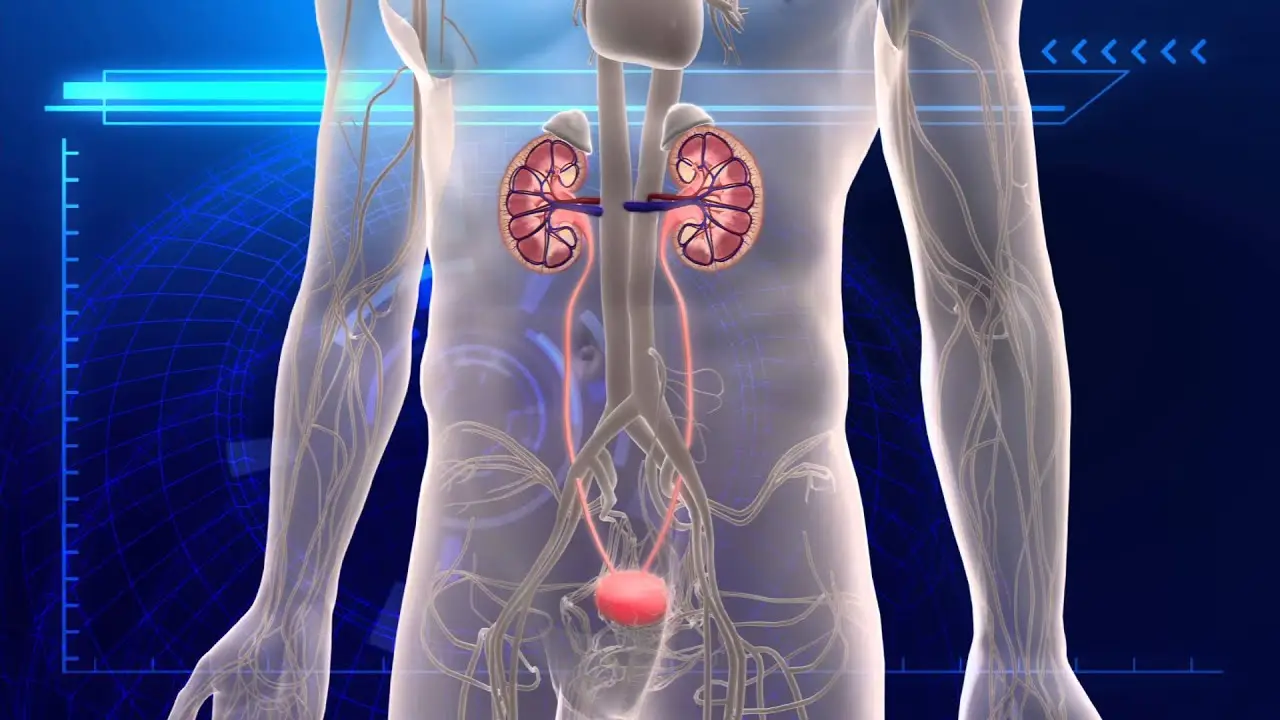
A urinary tract infection (UTI) is a bacterial infection that usually occurs in the urinary tract. This infection can affect the bladder, ureters, urethra, or kidneys.AMOUNTAlso known as urinary tract infections, this condition is quite common and can occur in all age groups. However, it is more frequent in women. Understanding and properly treating urinary tract infections is crucial for maintaining our health.
A urinary tract infection (UTI) is a bacterial infection that usually occurs in the urinary tract. This infection can affect the bladder, ureters, urethra, or kidneys.AMOUNTAlso known as urinary tract infections, this condition is quite common and can occur in all age groups. However, it is more frequent in women. Understanding and properly treating urinary tract infections is crucial for maintaining our health.
What is a Urinary Tract Infection (UTI)?
Urinary Tract InfectionUTIs are infections of the urinary tract caused by bacteria or other microorganisms. These infections usually affect the lower urinary tract and can lead to inflammation of the bladder. If the upper part of the urinary tract is affected, the infection can spread to the kidneys and cause more serious health problems.
Urinary tract infections, when they affect the bladder, are often called cystitis. Cystitis manifests with symptoms such as a burning sensation during urination, frequent urination, and foul-smelling urine. Upper urinary tract infections, on the other hand, can cause inflammation in the kidneys and present with more serious symptoms.
Many people experience this at least once in their lifetime.AMOUNTThey experience this condition. The likelihood of recurrence is high, but it can be controlled with appropriate treatment methods. Urologists help patients lead healthy lives by offering the most accurate approach to the diagnosis and treatment of urinary tract infections.
Symptoms of Urinary Tract Infection
Urinary Tract InfectionSymptoms can vary depending on the location and severity of the infection. The most common symptoms include a burning sensation during urination, frequent urination, and cloudy or foul-smelling urine.
- Burning sensation while urinatingThis symptom is one of the most common and bothersome. Pain or burning during urination can indicate the presence of an infection. This condition is a result of inflammation in the urinary tract.
- Frequent UrinationPeople with urinary tract infections (UTIs) experience a frequent need to urinate. This is accompanied by a constant feeling of fullness in the bladder and a sense of urgency.
- Changes in the Color and Odor of UrineAn infection can cause cloudy or foul-smelling urine. In some cases, blood may also be present in the urine, indicating the severity of the infection.
If you experience these symptoms, it is important to consult a healthcare professional immediately. Early diagnosis and treatment can prevent the infection from spreading to the kidneys and speed up the healing process.
Causes of Urinary Tract Infections
The most common cause of urinary tract infections (UTIs) is bacteria entering the urethra. These bacteria usually come from the intestines and travel up the urethra, causing the infection.E. coliThis bacterium is responsible for the vast majority of urinary tract infections.
There are several reasons why bacteria can enter the urinary tract. Sexual intercourse can contribute to the transfer of bacteria to the urethra. Additionally, factors such as poor hygiene, not completely emptying the bladder, or holding urine also increase the risk of infection. In women, the shorter urethra and its proximity to the anus make it easier for bacteria to reach the bladder.
Other causes may include structural abnormalities in the urinary tract, a weakened immune system, or chronic diseases such as diabetes. These conditions create a favorable environment for bacteria to multiply, increasing the risk of infection. If left untreated, these infections can spread to the kidneys and lead to more serious health problems. Therefore, understanding the causes of infection and taking preventive measures is vital.
Risk Factors for Urinary Tract Infections
Some people are at higher risk of developing urinary tract infections (UTIs). These risk factors can increase the frequency of infections and even lead to recurrent infections. Here are some of those risk factors:
- GenderWomen have a higher risk of UTIs compared to men. This is because the urethra is shorter in women and closer to the anus. This allows bacteria to reach the bladder more easily.
- AgeWith age, the immune system can weaken, and urinary tract infections (UTIs) can become more frequent. Hormonal changes, particularly in postmenopausal women, can increase the risk of UTIs.
- Sexual ActivitySexual intercourse can cause bacteria to be transferred to the urethra. Having a new sexual partner or frequent sexual intercourse can increase the risk of UTIs.
- Chronic DiseasesIndividuals with diabetes or weakened immune systems are more vulnerable to infections. These conditions create a favorable environment for bacteria to multiply.
- Structural AbnormalitiesCongenital or acquired structural problems in the urinary tract can prevent complete emptying of the bladder. This creates a suitable environment for bacteria to multiply.
Knowing and preventing these risk factors is important for preventing urinary tract infections. Regular health checkups and proper hygiene practices can reduce the risk of infection.
Urine Culture and Diagnostic Process
Urine cultures and other diagnostic methods are used to accurately diagnose urinary tract infections (UTIs). Urine cultures are important for identifying the bacteria causing the infection and selecting the appropriate treatment methods.
Urine CultureThe first step in the diagnostic process is obtaining a clean urine sample. This sample is examined in a laboratory to determine the presence and type of bacteria. Urine culture identifies the specific bacteria causing the infection, allowing doctors to choose the appropriate antibiotic treatment.
Other Diagnostic MethodsUrine analysis is used to detect bacteria, white blood cells, or other signs of infection in the urine. In some cases, doctors may use imaging techniques such as ultrasound or computed tomography to assess structural problems in the urinary tract.
Accurate diagnosis forms the basis of an effective treatment plan. Individuals exhibiting symptoms of a urinary tract infection are advised to consult a healthcare professional and undergo appropriate testing. In Ankara, specialists like Prof. Dr. Hakkı Perk can guide patients through this process and offer treatment recommendations.
The Relationship Between Cystitis and Burning Sensation During Urination
CystitisCystitis is an inflammation of the bladder and is often associated with a burning sensation when urinating. It is the most common form of urinary tract infection (UTI) and is more frequent in women. Cystitis is usually caused by a bacterial infection and can lead to more serious problems if left untreated.
Burning sensation during urination is the most prominent symptom of cystitis. This uncomfortable sensation is a result of inflammation in the bladder and makes the urination process painful. Frequent urination and a feeling of fullness in the bladder are also common. These symptoms can negatively affect the quality of daily life and reduce the quality of life for patients.
Cystitis is usually treated with antibiotics. However, lifestyle changes such as drinking plenty of water and avoiding caffeine and alcohol are also recommended to alleviate symptoms. With appropriate treatment, cystitis symptoms can be controlled quickly, and patients can return to their daily lives. Throughout the treatment process, it is crucial to be aware of urinary tract infections and to act quickly when symptoms appear.
Treatment Methods for Urinary Tract Infections
Urinary Tract InfectionTreatment involves various methods depending on the severity of the infection and the patient's overall health. The most common treatment method is the use of antibiotics. Antibiotics target the bacteria causing the infection, helping to quickly alleviate symptoms.
- Antibiotic TreatmentDoctors determine the appropriate antibiotic based on urine culture results. This treatment usually lasts 3 to 7 days. However, in some cases, a longer course of treatment may be necessary. Using all the antibiotics as prescribed by your doctor ensures complete recovery from the infection.
- Symptomatic TreatmentPain relievers or anti-inflammatory drugs can help alleviate symptoms. Drinking plenty of water helps cleanse the bladder and flush out bacteria. It's also recommended to avoid caffeine, alcohol, and spicy foods, which can irritate the urinary tract.
- Natural MethodsSome patients may prefer to alleviate their symptoms with natural methods such as cranberry juice. Cranberry juice can help protect the urinary tract from bacteria. However, such methods should be used under a doctor's advice and may not be sufficient on their own to treat the infection.
During treatment, it is important to follow the doctor's recommendations and undergo regular follow-ups. In cases of recurrent infections, urologists can conduct a more detailed evaluation to identify the underlying causes and adjust the treatment plan accordingly.
Ways to Prevent Urinary Tract Infections
It is possible to take some preventive measures to protect against urinary tract infections (UTIs). These measures can reduce the risk of infection and improve overall health. Here are some ways to prevent UTIs:
- Personal HygieneWiping from front to back after using the toilet can prevent bacteria from entering the urethra. Additionally, keeping the genital area clean and dry reduces the risk of infection.
- Drink plenty of water.Drinking enough water throughout the day helps cleanse the bladder regularly. This prevents bacteria from accumulating in the urinary tract and reduces the risk of infection.
- Avoiding Urinary RetentionHolding back urine creates a suitable environment for bacteria to multiply in the bladder. Therefore, when the need to urinate is felt, the bladder should be emptied without delay.
- Cleaning After Sexual ActivityUrinating after sexual intercourse can prevent bacteria from reaching the bladder. This simple precaution can significantly reduce the risk of infection.
- Strengthening the Immune SystemA healthy diet and regular exercise can strengthen the immune system, increasing resistance to infections.
These measures are especially important for individuals who experience frequent urinary tract infections. Developing healthy habits and having regular health checkups can be an effective strategy for preventing urinary tract infections.
The information here is for general education only and is not medical advice. Please consult your physician for personalized treatment.