









Neurogenic Bladder
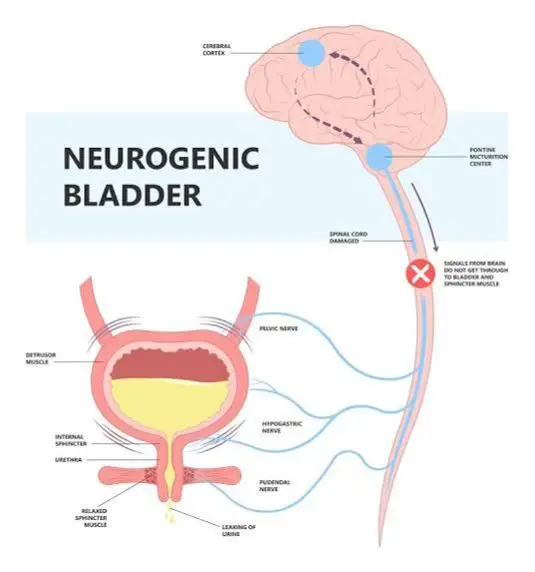
Neurogenic bladder refers to a condition where bladder function is affected by nervous system disorders. Since nerves facilitate communication between the bladder and the brain, any disruption in this communication can prevent the bladder from functioning properly. The underlying causes of neurogenic bladder are often neurological disorders such as spinal cord injuries, multiple sclerosis (MS), Parkinson's disease, and spina bifida.
Neurogenic bladder refers to a condition where bladder function is affected by nervous system disorders. Since nerves facilitate communication between the bladder and the brain, any disruption in this communication can prevent the bladder from functioning properly. The underlying causes of neurogenic bladder are often neurological disorders such as spinal cord injuries, multiple sclerosis (MS), Parkinson's disease, and spina bifida.
This condition can seriously affect both the quality of daily life and overall health by impacting the bladder's function of storing and emptying urine. Neurogenic bladder is generally characterized by an overactive or insufficient bladder function. This can cause a person to feel the need to urinate frequently or experience difficulty urinating.
Raising awareness about neurogenic bladder is important because early diagnosis and proper treatment can improve quality of life. Therefore, it is important to be aware of the symptoms and seek medical attention when needed.urologyConsulting a specialist is critically important.
Neurogenic Bladder and Bladder Dysfunction
Bladder dysfunction is a general term for a condition in which the bladder is unable to perform its function of storing and emptying urine.Neurogenic bladderThis is one of the most common causes of this disorder. Disrupted coordination between bladder muscles and nerves can lead to loss of bladder functionality.
In neurogenic bladder, the signals transmitted by the nerves to the bladder do not function properly, causing the person to either feel the need to urinate frequently or be unable to completely empty their bladder. This can lead to secondary health problems such as urinary tract infections. Furthermore, increased pressure on the bladder wall can negatively affect kidney function.
Adopting a multidisciplinary approach is important for managing bladder dysfunction, especially in large cities like Ankara.Prof. Dr. Hakkı PerkWith the guidance of experts like these, appropriate treatment and care plans can be developed.
Urinary Incontinence and Urinary Retention: Its Relationship with Neurogenic Bladder
Urinary incontinence ve urinary retentionThese are two main symptoms associated with neurogenic bladder. Urinary incontinence, the involuntary emptying of the bladder, can cause social and psychological problems. Urinary retention, on the other hand, is the incomplete emptying of the bladder, which can cause excessive stretching of the bladder wall.
Urinary incontinence usually occurs when the bladder is overactive. In this case, the person feels a sudden and frequent urge to urinate. Urinary retention, on the other hand, occurs when the bladder is not active enough, which leads to an increase in the amount of urine remaining in the bladder.
These symptoms are important issues to address in the treatment of neurogenic bladder. Treatment methods may vary depending on the type and severity of symptoms, and a personalized approach should be adopted for each patient.
Neurological Bladder: Causes and Symptoms
Neurological bladderThis condition is defined as bladder dysfunction resulting from nervous system diseases. The most common causes include spinal cord injuries, multiple sclerosis, Parkinson's disease, and diabetic neuropathy. These diseases negatively affect the bladder's nerve control mechanisms, disrupting its normal functioning.
Symptoms of neurological bladder can vary from person to person. Some patients experience a frequent urge to urinate, while others may have difficulty completely emptying their bladder. Other common symptoms include urinary incontinence, pain during urination, and nighttime urination.
Early diagnosis and treatment are crucial because these symptoms can negatively impact quality of life. Regularly monitoring symptoms and consulting a specialist when necessary plays a critical role in the management of neurological bladder.
Urodynamics: Neurogenic Bladder Assessment
UrodynamiaThese are a series of tests used to assess the functionality of the bladder and urethra. They are an important tool in the diagnosis and treatment of neurogenic bladder. By measuring the bladder's capacity to store and empty urine, these tests help identify the source of existing problems.
During urodynamic evaluation, parameters such as bladder filling and emptying functions, bladder pressures, and urine flow rates are measured. This data provides important clues about which strategies should be applied in the treatment of neurogenic bladder.
The results of this test help create a personalized treatment plan. Especially in complex conditions like neurogenic bladder, urodynamics allows for the development of more effective and targeted treatment methods.
Neurogenic Bladder Management and Treatment Options
Managing neurogenic bladder requires a comprehensive treatment approach to improve the patient's quality of life and prevent complications. Treatment options should be determined based on the severity of symptoms and the patient's overall health.
- Drug TreatmentMedications can be used to regulate bladder muscle activity. These medications generally reduce urinary incontinence by relaxing the bladder muscles.
- CatheterizationFor patients experiencing urinary retention, intermittent catheterization may be a solution. With this method, the bladder is completely emptied at regular intervals.
- Surgical interventionSurgical options are considered when other treatment methods have been insufficient. Various surgical techniques can be used to increase bladder capacity or regulate bladder outlet.
In the treatment of neurogenic bladder, adopting a multidisciplinary approach can increase treatment success. Expert teams in Ankara can create personalized treatment plans and offer the most suitable solutions.
Lifestyle Changes and Tips for Neurogenic Bladder
In the management of neurogenic bladder, lifestyle changes are as important as treatment. These changes can be an effective way to alleviate symptoms and improve quality of life.
- Diet and Fluid IntakeAvoiding beverages that can irritate the bladder, such as caffeine and alcohol, can help reduce symptoms. Maintaining adequate hydration by drinking plenty of water is also important.
- Bladder TrainingDeveloping a regular urination habit can improve bladder control. Going to the toilet at regular intervals can help the bladder empty regularly.
- Physical ActivityRegular exercise can help strengthen bladder muscles. Pelvic floor exercises, in particular, can be beneficial in improving bladder control.
When implementing lifestyle changes, seeking expert advice and developing a personalized plan can help you achieve the best results.
Frequently Asked Questions About Neurogenic Bladder
1. Is neurogenic bladder completely curable?
Neurogenic bladder is generally not completely curable, but symptoms can be effectively managed. Treatment plans aim to improve quality of life and prevent complications.
2. Which medical specialty should I consult for neurogenic bladder?
A treatment for neurogenic bladderurologyIt is recommended that you consult a specialist. If necessary, other specialties such as neurology or physiotherapy can also be included in the treatment process.
3. Are urodynamic tests painful?
Urodynamic tests are generally painless, but may cause mild discomfort. Personalized relaxation measures can be taken to ensure comfort during the test.
4. How can I cope with neurogenic bladder?
Managing neurogenic bladder requires creating a treatment plan according to your doctor's recommendations, implementing lifestyle changes, and participating in support groups when needed.
The information here is for general education only and is not medical advice. Please consult your physician for personalized treatment.