









Kidney Stone
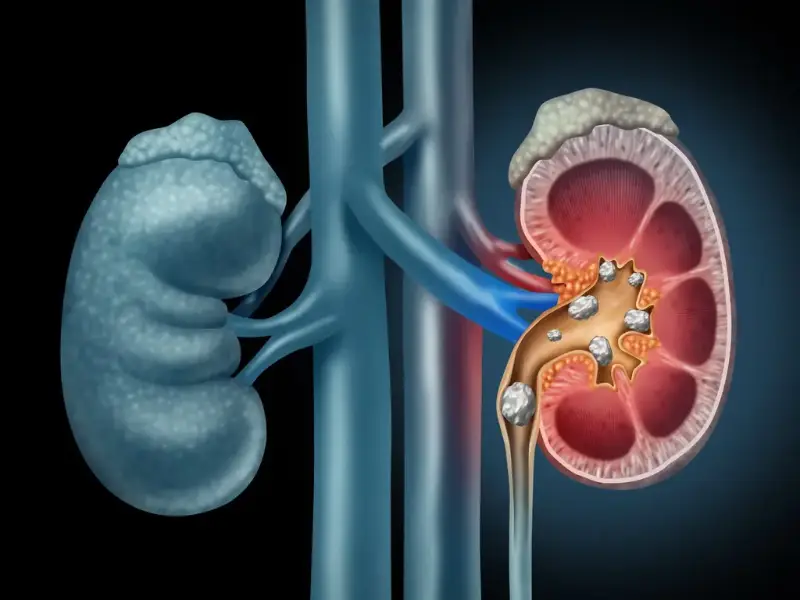
Kidney stones are hard masses that form as a result of the accumulation of minerals and salts in the kidneys. These stones can form due to changes in the body's salt and mineral balance. They can often cause a blockage in the urinary tract and lead to severe pain. Kidney stones vary in size and location.
Kidney stones are hard masses that form as a result of the accumulation of minerals and salts in the kidneys. These stones can form due to changes in the body's salt and mineral balance. They can often cause a blockage in the urinary tract and lead to severe pain. Kidney stones vary in size and location.
Kidney stones often form as a result of urine becoming concentrated. When urine becomes concentrated, minerals crystallize and clump together to form stones. These stones are usually composed of calcium oxalate, uric acid, struvite, or cystine. Genetic factors, dietary habits, and geographical factors play a significant role in the formation of kidney stones.
Kidney stones can come in various sizes. Small stones are usually passed naturally through the urinary tract, but larger stones can obstruct urine flow and may require medical intervention. The treatment process for individuals with kidney stones can vary depending on the size and location of the stone.
Kidney Stone Symptoms
Kidney stone symptoms can vary depending on the size and location of the stone. The most common symptom is sudden, severe pain in the kidney or urinary tract. This pain usually begins in the lower back and may radiate to the abdomen or groin. The pain may change as the stone moves.
In addition to pain, other symptoms may include nausea, vomiting, blood in the urine, and frequent, urgent need to urinate. Cloudy or foul-smelling urine can also be a sign of kidney stones. In some cases, an infection may develop, leading to additional symptoms such as fever and chills.
The symptoms of kidney stones can vary from person to person. If the stones are small and not blocking the urinary tract, they may not cause any symptoms. However, kidney stones can be a serious health problem, and it is important to seek medical attention if symptoms are noticed.
Types of Kidney Stones
Kidney stones can be classified into different types according to their chemical composition. The most common types of kidney stones include calcium oxalate stones, uric acid stones, struvite stones, and cystine stones. Each type has a different cause and treatment approach.
- Calcium Oxalate Stones:This is the most common type of kidney stone. It forms when calcium combines with oxalate. Consuming foods high in oxalate can contribute to the formation of these stones.
- Uric Acid Stones:These stones are usually caused by high-protein diets, gout, or genetic factors. Acidic urine promotes the formation of these stones.
- Struvite Stones:These stones usually form as a result of urinary tract infections. They can grow rapidly and block the urinary tract.
- Sistine Stones:These rare stones are caused by cystinuria, a genetic disorder in which the kidneys are unable to adequately break down the amino acid cystine.
Each type of kidney stone may require different treatment approaches. Determining the chemical composition of the stone is critical to choosing the appropriate treatment method.
Kidney Stone Formation Process
Kidney stone formation begins with the crystallization and aggregation of minerals dissolved in the urine. Factors that cause urine to become concentrated include insufficient fluid intake, consumption of foods high in salt or oxalate, and genetic predisposition.
Crystals begin to clump together in the kidneys and grow. This process can lead to the formation of larger stones over time. The formation process of kidney stones is often unnoticed; however, symptoms appear when the stones grow and block the urinary tract.
Taking precautions is crucial to preventing kidney stone formation. Drinking plenty of water, eating a balanced diet, and acting with kidney health in mind can reduce the risk of kidney stone formation. In addition, it is recommended that individuals with a genetic predisposition have regular health checkups.
Kidney Stone Treatment Methods
Kidney stone treatment varies depending on the size, location, and type of stone. Small stones can be passed naturally with plenty of fluids and pain medication. However, large stones or those causing obstruction require medical intervention.
- Drug Treatment:In some cases, doctors may prescribe medication to reduce the size of stones or widen the urinary tract. These medications can help the stones pass naturally.
- Extracorporeal Shock Wave Lithotripsy (ESWL):This treatment method uses high-energy sound waves to break up stones. The broken stones can then be passed through urine.
- Surgical intervention:For large stones or stones that do not respond to other treatment methods, surgical intervention may be necessary. This procedure is usually performed using minimally invasive techniques.
When planning kidney stone treatment, doctors evaluate each patient's case individually. The patient's age, general health status, and the chemical composition of the stone are all taken into consideration during the treatment process.
Laser Treatment for Kidney Stones
Laser Treatment for Kidney StonesThis is a minimally invasive method that uses laser energy to break up kidney stones. This method is generally preferred when it is not possible for the stones to be passed naturally. Laser technology breaks the stones into small pieces, allowing them to pass easily through the urinary tract.
Laser treatment is usually completed quickly, and patients are often discharged the same day. This method is less painful and has a shorter recovery time compared to other surgical procedures. However, the applicability of this method depends on the size and location of the stone.
Patients can usually return to their daily activities quickly after laser treatment. Following treatment, it is important to follow lifestyle changes recommended by doctors to prevent the recurrence of kidney stones.
URS (Ureterorenoscopy) Method
URS (Ureterorenoscopy)Urinary tract stimulatory surgery (URS) is a treatment method performed by inserting an endoscopic instrument into the urinary tract. This procedure makes it possible to directly visualize and remove kidney stones. URS is generally preferred for stones in the urinary tract or ureter.
This procedure is performed under local or general anesthesia. An endoscope is advanced through the urinary tract to the ureter, and the stones are broken up and removed using a laser or other instruments. Because URS is a minimally invasive procedure, patients generally recover quickly.
URS (Urinary Resection of the Stone) is particularly effective when the stone is lodged in the ureter or cannot be removed by other methods. This treatment option is evaluated by doctors based on the size of the stone and the patient's overall health condition.
Treatment with RIRS (Retrograde Infusion System)
RIRS (Retrograde Infusion System)RIRS is an advanced endoscopic procedure used to treat kidney stones. In this procedure, a flexible ureteroscope is used to reach the inside of the kidney. RIRS is preferred especially for stones inside the kidney and is usually performed under general anesthesia.
During the RIRS procedure, stones are broken into small pieces using a laser, and these pieces are then expelled in the urine. This method is less invasive than other surgical procedures, and patients generally recover quickly. RIRS has a high success rate in treating kidney stones.
RIRS may be a suitable option depending on the size and location of the stone. This method offers an effective solution, especially for cases where other treatments have been ineffective.
What is Percutaneous Nephrolithotomy (PCNL)?
Percutaneous nephrolithotomy (PCNL)PCNL is a surgical procedure used to remove large kidney stones. This procedure is generally recommended for stones larger than 2 cm and allows for the direct removal of the stones from the kidney. PCNL is performed under general anesthesia, and the kidney is accessed through a small incision.
During this procedure, a thin tube is inserted into the kidney, and the stones are broken up and removed. PCNL is generally preferred when other treatment methods have been insufficient. This method allows for the effective removal of large stones.
The recovery period after PCNL may be slightly longer compared to other surgical procedures. However, this method is one of the most effective treatment options for certain types and sizes of stones. It is important for patients to follow their doctor's recommendations after the procedure.
Clinical Approach to Kidney Stone Treatment
The clinical approach to kidney stone treatment is customized to the individual needs of the patient and the characteristics of the stone. Doctors consider factors such as the patient's age, general health status, and the size and location of the stone when developing a treatment plan. Choosing the most appropriate treatment method for each patient is critical to achieving successful outcomes.
In a clinical approach, the chemical composition of kidney stones and the patient's lifestyle are also evaluated. Dietary habits, fluid intake, and genetic factors play a significant role in stone formation. Therefore, during the treatment process, patients are advised to make lifestyle changes to prevent stone formation.
During the treatment process, it is important for patients to be informed about treatment options and possible outcomes. Good communication between patient and doctor contributes to the successful completion of the treatment process.
Treatment Selection Based on Stone Size
The size of kidney stones is a significant factor in determining the treatment method. While small stones can often be passed naturally with plenty of fluids and pain relievers, larger stones may require different treatment options. Choosing the appropriate treatment based on stone size ensures faster and more effective results.
- Small stones (smaller than 5 mm):They are usually treated with increased fluid intake and lifestyle changes. These stones can be naturally passed through urine.
- Medium-sized stones (5-10 mm):ESWL orLaser Treatment for Kidney StonesThese stones can be treated with methods such as these. They are easier to pass if broken up.
- Large Stones (larger than 10 mm): URS, RIRS or Percutaneous nephrolithotomy (PCNL)Surgical interventions such as these may be necessary. These methods are chosen according to the size and location of the stone.
Because each patient's situation is different, doctors carefully evaluate the size of the stone and other factors during the treatment process. This evaluation helps determine the most appropriate treatment method.
The information here is for general education only and is not medical advice. Please consult your physician for personalized treatment.