









Laparoscopic Surgery
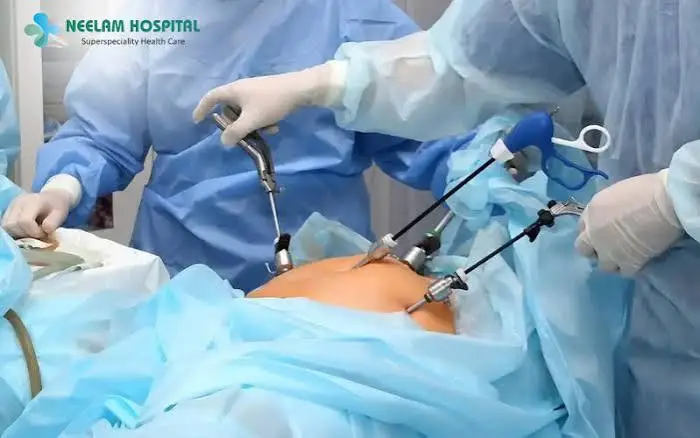
Laparoscopic Surgery is one of the most innovative surgical techniques offered by modern medicine. This method involves operations performed through several small incisions instead of large cuts. Unlike traditional open surgery, laparoscopic surgery allows patients to recover more quickly and experience less pain. This technique is generally performed using a camera and specialized instruments, allowing surgeons to view the surgical area in detail.
Laparoscopic Surgery is one of the most innovative surgical techniques offered by modern medicine. This method involves operations performed through several small incisions instead of large cuts. Unlike traditional open surgery, laparoscopic surgery allows patients to recover more quickly and experience less pain. This technique is generally performed using a camera and specialized instruments, allowing surgeons to view the surgical area in detail.
This surgical method is one of the increasingly common techniques known as Minimally Invasive Surgery. The primary goal of minimally invasive surgery is to improve patient comfort while minimizing the risk of postoperative complications. This method is particularly preferred in abdominal surgeries and is applied in many medical fields.
One of Ankara’s renowned surgeons, Prof. Dr. Hakkı Perk, frequently emphasizes the advantages offered by laparoscopic surgery. He states that these operations help patients return to their daily lives more quickly. Surgeries performed using laparoscopic methods shorten hospital stays and reduce the risk of infection.
Differences Between Closed Surgery and Minimally Invasive Surgery
Although the terms Closed Surgery and minimally invasive surgery are often used interchangeably, there are some fundamental differences between them. Closed surgery generally refers to laparoscopic techniques, whereas minimally invasive surgery includes a broader range of methods. Both approaches are known for being less traumatic for patients and for offering shorter recovery periods.
One of the greatest advantages of minimally invasive surgery is less postoperative pain and smaller scars. This allows patients to return to their daily activities more quickly after surgery. Closed surgery, on the other hand, is frequently preferred especially in abdominal and pelvic operations and provides surgeons with greater control.
The choice between these two surgical approaches is generally determined by the patient’s condition and the surgeon’s experience. In the field of urological surgery, these methods have significantly improved patients’ treatment processes. In particular, Laparoscopic Urology applications make optimal use of the advantages offered by closed surgical methods.
Advantages of Laparoscopic Surgery
Laparoscopic Surgery has become a preferred method for both doctors and patients due to its many advantages. One of the most important benefits of this surgical technique is that operations performed through smaller incisions reduce the risks of infection and bleeding. As a result, patients recover more quickly and hospital stays are shortened.
Another major advantage of this surgical method is that postoperative pain and discomfort remain at minimal levels. Since laparoscopic surgery is less traumatic compared to traditional surgical methods, it allows patients to return to their daily lives more rapidly. In addition, surgeries performed using this technique provide better cosmetic results because the scars are smaller.
The advantages of laparoscopic surgery have positive effects on patients not only physically but also psychologically. Less pain and a faster recovery process help maintain patients’ morale and make the postoperative period more comfortable. Many healthcare institutions in Ankara work extensively to provide their patients with the benefits of this method.
Applications of Laparoscopic Urology
The use of laparoscopic methods in the field of Urological Surgery provides significant advantages in the treatment of many diseases. In the treatment of conditions such as kidney stones, enlarged prostate, and bladder disorders, laparoscopic surgery serves as an effective tool for surgeons. This method allows patients to experience a more comfortable postoperative period.
Laparoscopic Urology is frequently used in surgeries involving urological organs such as the kidneys and ureters. For example, this technique is preferred with high success rates in the removal of kidney tumors and kidney transplantation procedures. Being less invasive compared to traditional methods, this technique enables patients to recover more rapidly.
The increasing use of laparoscopic methods in urological surgery has improved the training and experience levels of surgeons working in this field and has provided safer and more effective treatment options for patients. The effectiveness of these techniques has led many specialists in Ankara to prefer this method.
Areas of Use of Laparoscopic Methods in Urological Surgery
In urological surgery, laparoscopic methods have a wide range of applications. These techniques are effectively used in kidney tumor removal, prostate cancer treatment, and the management of bladder disorders. Laparoscopic surgery accelerates the recovery process by offering a less traumatic option in such operations.
Particularly in prostate cancer treatment, laparoscopic methods provide significant advantages. In cases where all or part of the prostate must be removed, this technique allows surgeons to work with high precision. Such operations performed through minimal incisions help patients recover quickly and return to their daily lives.
Interest in laparoscopic surgery continues to increase in the field of urological surgery. This method offers many advantages not only for patients but also for surgeons. Many experienced surgeons in Ankara work to provide their patients with the benefits offered by laparoscopic techniques.
Patient Selection for Laparoscopic Surgery
Laparoscopic Surgery may not be a suitable option for every patient. Patients who wish to benefit from the advantages of this method must meet certain criteria. Surgeons evaluate factors such as the patient’s overall health condition, the necessity of the surgery, and the expected outcomes in order to determine the most appropriate treatment method.
This surgical method is generally suitable for patients who may benefit from minimally invasive approaches. For example, conditions such as severe obesity, bleeding disorders, or complications resulting from previous surgeries may increase the risks of laparoscopic surgery. Therefore, it is important to conduct an individual evaluation for each patient.
Patient selection should be made by considering the surgeon’s experience and the patient’s general health status. Many healthcare institutions in Ankara perform such evaluations and offer the most appropriate treatment options to their patients. It is important to consult a specialist to determine whether laparoscopic surgery is suitable for you.
Risks and Complications of Laparoscopic Surgery
Like any surgical intervention, Laparoscopic Surgery may involve certain risks and complications. Although this method is generally safe, complications related to anesthesia, risk of infection, and internal organ injuries may occur. Therefore, it is extremely important that the procedure be performed by an experienced surgeon.
One of the most common complications of laparoscopic surgery is injury to internal organs. This may occur when the instruments used during surgery accidentally damage internal organs. However, these risks are minimal when operations are performed by experienced surgeons.
During the postoperative period, patients should carefully follow the surgeon’s recommendations to reduce the risk of infection. In addition, medical attention should be sought immediately if any signs of complications are noticed. Many surgeons specialized in this field in Ankara inform their patients about the risks of laparoscopic surgery and strive to achieve the best possible outcomes.
The information here is for general education only and is not medical advice. Please consult your physician for personalized treatment.