









Bladder Neck Elevation
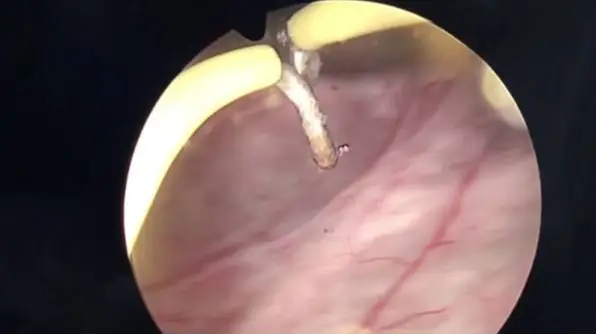
Bladder neck elevation is a condition in which the bladder neck, located at the exit of the bladder, is positioned higher than its normal position. This anatomical condition can make emptying the bladder difficult and lead to various difficulties during urination. It is often associated with bladder neck stenosis and is a common issue in urology.
Bladder neck elevation is a condition in which the bladder neck, located at the exit of the bladder, is positioned higher than its normal position. This anatomical condition can make emptying the bladder difficult and lead to various difficulties during urination. It is often associated with bladder neck stenosis and is a common issue in urology.
Understanding bladder anatomy is important for comprehending this condition. The bladder neck is the lowest part of the bladder where it joins the urethra. Bladder neck elevation results from an anatomical or functional elevation of this area. While it is often associated with prostate enlargement in men, it can also occur in women.
Symptoms of Elevated Bladder Neck
The most common symptoms of bladder neck elevation include difficulty urinating. This manifests as a weak urine stream or a feeling of straining while urinating. Patients may feel that their bladder is not completely emptying, leading to a frequent need to urinate.
Other symptoms may include pain or burning during urination, intermittent urination, and delayed onset of urination. Some patients may wake up frequently at night to need to use the toilet. These symptoms can negatively impact quality of life and lead to difficulties in social life.
Symptoms of bladder neck elevation can be confused with other urological problems such as bladder outlet obstruction and bladder neck stenosis. Therefore, careful evaluation is important for accurate diagnosis. Prof. Dr. Hakkı Perk emphasizes the importance of correctly recognizing the symptoms and initiating appropriate treatment.
Causes of Bladder Neck Elevation
Elevated bladder neck can have multiple causes. Congenital anomalies in anatomical structure can lead to this condition, while in some cases, degenerative changes that develop in later life can also cause an elevation of the bladder neck. This condition can also occur due to reasons such as prostate enlargement in men or weakening of the pelvic floor muscles in women.
Hormonal changes can also contribute to bladder neck elevation. Estrogen deficiency, particularly common in postmenopausal women, can weaken the bladder neck and surrounding tissues. This can affect the position of the bladder neck, making urination difficult.
Furthermore, previous surgeries or traumas can also affect the anatomy of the bladder neck. Some surgical techniques can alter the position of the bladder and surrounding structures, potentially leading to bladder neck elevation. Prof. Dr. Hakkı Perk emphasizes the importance of careful surgical planning and follow-up in such cases.
The Relationship Between Bladder Neck Height and Difficulty Urinating
Bladder neck elevation is directly related to difficulty urinating. The bladder neck controls the passage of urine into the urethra, and any changes in this area can affect urine flow. A high bladder neck can lead to narrowing of the urethra and consequently weakened urine flow.
Difficulty urinating is the most noticeable consequence of bladder neck elevation. This difficulty manifests as symptoms such as incomplete bladder emptying, weak or intermittent urine flow. The feeling of straining during urination can cause distress to patients in their daily lives and restrict their social activities.
Managing this condition is possible with accurate diagnosis and treatment. Prof. Dr. Hakkı Perk states that understanding the relationship between bladder neck elevation and difficulty urinating is critical in determining treatment strategies. In Ankara, specialized teams offer patients solutions tailored to their needs.
Bladder Outlet Obstruction and Bladder Neck Obstruction
Bladder neck elevation is a condition often confused with bladder outlet obstruction and bladder neck stenosis. Bladder outlet obstruction is the restriction of urine flow due to narrowing of the urethra. This condition may present with similar symptoms to bladder neck stenosis but may have different causes.
Bladder neck stenosis is a structural or functional narrowing of the bladder neck. This condition can develop in conjunction with bladder neck elevation and further hinder urine flow. Bladder outlet stenosis, on the other hand, is usually caused by anatomical constrictions or peripheral compression at the bladder outlet.
Accurate differentiation of both conditions is crucial for developing an appropriate treatment plan. Prof. Dr. Hakkı Perk emphasizes the importance of a multidisciplinary approach in the diagnosis and treatment of such urological problems. An experienced urology team plays a major role in improving patients' quality of life.
Diagnostic Methods: How is Bladder Neck Stenosis Diagnosed?
Diagnosing bladder neck stenosis requires a comprehensive evaluation process. The first step is a detailed review of the patient's medical history and symptoms. A physical examination is performed to confirm the suspicion of bladder neck stenosis. During this process, various tests may be conducted to assess the patient's urine flow and bladder function.
Uroflometer is a common test used to identify any narrowing at the bladder neck. This test assesses bladder emptying capacity by measuring the speed of urine flow. Imaging techniques such as cystoscopy may also be used to see how the bladder functions during filling and emptying.
Prof. Dr. Hakkı Perk states that accurate diagnosis is one of the most critical stages of the treatment process. Specialized centers in Ankara use these diagnostic methods to help patients develop the most appropriate treatment plan.
Treatment Options: What Options Are Available for Bladder Neck Elevation?
Treatment for bladder neck elevation varies depending on the severity of the condition and underlying causes. Initially, conservative treatment methods may be attempted. These methods include exercise programs to strengthen the pelvic floor muscles, lifestyle changes, and dietary adjustments. These methods can be effective in mild cases and can alleviate symptoms without the need for surgery.
Medical treatment is another option for treating bladder neck elevation. Alpha-blockers or other urological medications can help relax the muscles in the bladder neck. These medications increase urine flow, thus reducing symptoms. However, medical treatment may not always be effective, and some patients may require surgical intervention.
Surgical treatment should be considered a last resort for bladder neck elevation. Surgical methods include various techniques aimed at relieving the narrowing in the bladder neck. Prof. Dr. Hakkı Perk emphasizes the importance of surgical interventions being performed with the correct indications and by an experienced team. In Ankara, these types of surgical interventions are successfully applied to improve the quality of life for patients.
What You Need to Know About Bladder Neck Height
Elevated bladder neck is a condition that can seriously affect quality of life. Therefore, early recognition of symptoms and evaluation of appropriate treatment options are crucial. Patients are advised not to ignore symptoms such as difficulty urinating and to consult a urologist.
In Ankara, experienced specialists like Prof. Dr. Hakkı Perk offer effective diagnostic and treatment methods for bladder neck elevation. These specialists aim to improve patients' quality of life by developing solutions tailored to their individual needs.
If you are experiencing bladder neck elevation or similar urological problems, we recommend that you consult a specialist as soon as possible. Remember, early diagnosis and appropriate treatment are the most effective way to improve your quality of life.
To learn more about bladder neck height and benefit from expert opinions,Don't forget to contact Prof. Dr. Hakkı Perk.Located in Ankara, this clinic will help you improve your quality of life by offering the most suitable treatment options for you. Don't postpone your health, take action and consult a specialist. Because a healthy life begins with the right steps.
The information here is for general education only and is not medical advice. Please consult your physician for personalized treatment.