









Interstitial Cystitis
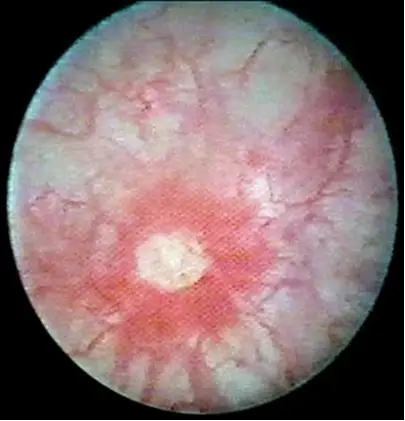
Interstitial cystitis, also called painful bladder syndrome, is a chronic, non-infectious inflammatory disease of the bladder that causes urinary tract and bladder-related complaints such as increased frequency of urination, sudden urge to urinate, frequent nighttime urination, and groin pain. It is a chronic inflammatory disease that can cause recurrent discomfort or pain in the abdomen and groin even without urinary tract infections or other pathologies.
What are Painful Bladder Syndrome and Interstitial Cystitis?
Interstitial cystitis, also called painful bladder syndrome, is a chronic, non-infectious inflammatory disease of the bladder that causes urinary tract and bladder-related complaints such as increased frequency of urination, sudden urge to urinate, frequent nighttime urination, and groin pain. It is a chronic inflammatory disease that can cause recurrent discomfort or pain in the abdomen and groin even without urinary tract infections or other pathologies. Painful bladder syndrome is a long-term (chronic) problem characterized by bladder pain, a constant urge to urinate, or burning. While it can occur in younger people, interstitial cystitis is most common between the ages of 30 and 40. It is also 9-10 times more common in women than men, and more frequent in Caucasians than other races (10-20/100,000). In the general population, approximately 10% of patients experiencing symptoms such as frequent urination, sudden urge to urinate, frequent nighttime urination, and pelvic pain are diagnosed with bladder pain syndrome. Symptoms can vary from person to person.
The most prominent feature of the disease is that the pain can cause such severe depression that it may lead the patient to contemplate suicide. For example, some patients experience mild discomfort, pressure, or tenderness in the groin and pelvic area. Other patients may experience severe bladder pain, a sudden urge to urinate, or a more frequent need to urinate. Other diseases presenting with similar symptoms, such as infection, are ruled out, and Painful Bladder Syndrome is considered if the patient has groin pain and frequent urination for more than 6 weeks.
What are the causes of painful bladder syndrome?
The exact cause of painful bladder syndrome (PPS) is unknown. Possible causes include a history of bacterial cystitis, autoimmunity (where the body attacks the bladder as a foreign object), excessive stretching of the bladder due to prolonged urine retention, and genetic factors. Some researchers believe it may stem from inflammation in various organs and parts of the body. Some studies suggest a higher incidence in women with a history of sexual abuse or physical trauma. Many women with PPS are also more susceptible to other conditions such as irritable bowel syndrome, fibromyalgia, and chronic fatigue syndrome. Allergies and certain autoimmune diseases also increase the risk of PPS. Furthermore, there is growing evidence suggesting a genetic component.
What is the mechanism by which Painful Bladder Syndrome develops?
Although the exact mechanism of the disease is not fully understood, the most commonly considered mechanism is damage to the "GlucoAminoGlycan" (GAG) layer, which protects the inner lining of the bladder from urine, similar to the mucus layer that protects the stomach from its own acid. Due to the damaged layer, urine comes into direct contact with the bladder, essentially burning it. This contact with urine triggers an inflammatory and allergic process in the bladder. As a result of this inflammatory process, normally inactive pain fibers in the bladder become active, and pain is felt. The brain perceives this process differently, causing the pain in the bladder to be felt intensely. An extreme sensitivity to pain develops. As the bladder heals, the formation of new blood vessels and nerve fibers creates a vicious cycle. Due to a condition called "pain memory," even the slightest trigger triggers the pain again, manifesting in varying intensities in the bladder and the perineum (the base of the buttocks). Sometimes, pain in the groin area also occurs.
What are the symptoms of Painful Bladder Syndrome?
Dysuria (burning and pain during urination), discomfort in the abdomen and groin, increased bladder pressure, tenderness and intense pain in the bladder and groin areas, pain often worsens during menstruation and may intensify during and after sexual intercourse. Some patients with interstitial cystitis experience pain in areas other than the bladder. Pain may be felt in the urethra, lower abdomen, lower back, or groin or perineal region. Women may feel pain in the vulva or vagina, and men may feel pain in the scrotum, testicles, or penis. The pain may be constant or intermittent.
One-third of patients experience dysuria (burning during urination). People with painful bladder syndrome also rarely have constant bladder pain. The pain may disappear for weeks or months and then return. Pain attacks may occur. It is also known that the pain increases with bladder filling and is relieved after bladder emptying. Approximately 15% of patients have little or no bladder pain, while 85% have significant pain.
Urinary problems consist of increased frequency and urgency, or a combination of both. Frequency here refers to the need to urinate more often than normal. Normally, a person urinates an average of six to seven times a day, and waking up at night is not routine. Patients with interstitial cystitis usually feel the need to urinate frequently, both during the day (typically an average of 16 times) and at night. As this frequency increases, the amount of urine expelled with each urination decreases, potentially dropping to 75-100 ml, leading to a sudden urge to urinate. Nocturia (waking up to urinate at night) occurs in 90% of patients, with at least one or two urinations at night; some may not experience this, while others may need to urinate more than seven or eight times at night. The need to urinate at night increases with the duration and severity of the disease.
Sudden urge to urinate is a common symptom of interstitial cystitis. A strong urge to urinate is normal if you haven't urinated for several hours or have drunk a lot of fluids. In painful bladder syndrome, however, you may experience pain or burning along with an urgent need to urinate before the bladder has time to fill completely. Some patients experience a constant urge to urinate that never goes away, even immediately after urinating. Others may not feel this urge as much. In patients with interstitial cystitis, bladder pain increases as the bladder fills.
Many people with interstitial cystitis have certain foods and nutrients that worsen their symptoms. Some people's symptoms are aggravated by specific foods or drinks (often acidic). Many patients also report that their symptoms worsen when they are stressed (physical or mental). Symptoms can vary with the menstrual cycle. Increased pain attacks may occur during menstruation. Both men and women with interstitial cystitis may experience difficulties with sexual activity. Because the bladder is located directly in front of the vagina, women may experience pain during intercourse. Men may experience painful orgasms or pain the day after intercourse.
Patients with interstitial cystitis may also experience constipation, irritable bowel syndrome, depression, fibromyalgia, muscle and bone pain, allergic problems, or chronic headaches and migraines more frequently.
What are the complications of Painful Bladder Syndrome?
Interstitial cystitis, also called painful bladder syndrome, can reduce your physical and social activity and negatively impact your quality of life. People experience pain in the groin area, or in women, pain during intercourse, a condition called vulvodynia. Men may also experience pelvic pain that causes uncomfortable or painful intercourse. Sometimes, intercourse can worsen attacks of bladder pain. Sexual complications can cause people to avoid intimacy and potentially lead to depression and guilt. Like many people dealing with chronic pain, those with painful bladder syndrome suffer from insomnia due to frequent urination, anxiety, and depression. They experience pain during medical tests such as pelvic examinations and Pap tests, especially if they have spasms in their pelvic floor muscles.
Interstitial cystitis, also called painful bladder syndrome, can often be confused with the following conditions:Bladder cancer, cystitis or urinary tract infection, bladder prolapse, endometriosis (a painful pathology involving bleeding), kidney and urinary tract stones, certain neurological diseases, pelvic floor dysfunction, sexually transmitted diseases, urethral diverticulum, reproductive organ prolapse, and vaginal inflammation (interstitial cystitis) can all be confused with bladder cancer. These conditions should be considered during the diagnostic phase.
How are Painful Bladder Syndrome and Interstitial Cystitis Diagnosed?
- Mandatory Tests:History taking, physical examination, complete urinalysis.
- Suggested Tests:Urine culture, cytology, symptom scores, voiding diary, residual urine measurement, PSA test, cystoscopy ± hydraulic expansion.
- Optional tests:Pressure flow study, pelvic imaging, bladder biopsy
A detailed medical history is taken from the patient for diagnosis.The patient's history is crucial in diagnosing interstitial cystitis. Bladder pain, and its character, is a key symptom. The duration of the illness is important in differentiating it from urgency-frequency syndrome, a milder form of interstitial cystitis. The presence of symptoms for at least six months is considered a fundamental criterion for diagnosis. Exclusion of triggers such as irritants or other pathologies that may cause chronic pelvic pain can also be achieved through a good history. Additionally, the patient may be asked to complete a questionnaire; a written questionnaire – the Pelvic Pain and Urgency/Frequency (PUF) Patient Symptom Scale and the O’Leary Sant Painful Bladder Syndrome-Interstitial Cystitis Symptom Index – can aid in diagnosis.
Bladder or urination diary:A three-day voiding diary plays a crucial role in diagnosis. The daily number of voids and the volume of urine expelled per void are obtained from patient records. In interstitial cystitis, the average daily number of voids is 15-16 and the average urine volume per void is 75-100 ml.
Physical examination and gynecological examination in women may be performed.During a pelvic examination, your pelvic floor muscles, which may be the source of painful symptoms, are checked. In men, a digital rectal examination may be performed to check for prostate problems and to strengthen the pelvic floor muscles. Examinations and tests are also done to rule out other conditions that can cause similar symptoms, such as urinary tract infections, bladder cancer, endometriosis in women, or prostate infection in men.
Urine analysis and urine culture:The presence of white and red blood cells and bacteria in the urine, and bacterial growth in culture, may indicate a urinary tract infection (UTI) that can be treated with antibiotics. In interstitial cystitis, leukocytes (inflammatory cells) and erythrocytes (blood cells) are rarely seen. Pathological examination (cytology) of the urine may be necessary to differentiate between bladder cancer and/or bladder cancer in situ. In cases where blood is detected in the urine, cystoscopy, cytology, and some imaging tests may be required to rule out cancer.
Potassium Sensitivity Test (PDT):Potassium chloride (KCl) is not absorbed when administered to a normal bladder, and does not cause a sudden urge or pain. However, in patients with interstitial cystitis, also known as painful bladder syndrome, where bladder permeability is believed to be increased, potassium is absorbed and is expected to stimulate nerve endings, leading to a severe and sudden urge and pain. First, 100 ml of normal saline is injected into the bladder, and the degree of pain, burning, and urgency is assessed. After the saline is drained, 40 ml of potassium KCl (1 meq/ml) is mixed with 60 ml of saline and injected into the bladder, and the pain, burning, and urgency are re-evaluated. If a significant increase in symptoms is detected, the test is considered positive for interstitial cystitis. This test is not commonly used today.
Cystoscopy - Endoscopic examination of the bladder using a camera:In the diagnosis of interstitial cystitis, endoscopic examination with a camera and light under general anesthesia—that is, cystoscopy—is a frequently used method. During cystoscopy, observation is performed first; signs specific to interstitial cystitis, such as Hunner ulcers (bladder ulcers), cancer, edema, redness, and infection, are sought. Sometimes, to rule out bladder cancer, a biopsy may be performed during cystoscopy to obtain tissue samples from the bladder and urethra. According to the general consensus based on literature and guidelines, the detection of glomerulations (bleeding foci) is not a prerequisite for diagnosis. Diagnosing Bladder Pain Syndrome (BPS/BS) is quite difficult due to the variations in presenting complaints and the lack of definitive diagnostic criteria.
Cystoscope iThe second stage involves hydraulic dilation of the bladder by injecting a large amount of saline solution to a certain pressure, allowing visualization of pinpoint bleeding foci (glomerulations). This procedure also contributes to the initial treatment and can improve symptoms in 60-70% of patients. This hydraulic dilation involves slowly filling the bladder with saline solution under anesthesia using 80-100 cm of water pressure. After the fluid flow stops, the bladder is emptied after 5-10 minutes and its volume is measured. After two hydraulic dilations, the presence of widespread bleeding foci in the bladder, at least 10-20 foci in each area, is important for diagnosis. A biopsy should be performed at this final stage of cystoscopy, as performing it before pressure dilation can cause displacement of the biopsy site and damage to the bladder. Pain may increase slightly upon waking depending on the procedure performed, but it usually decreases within 2-3 weeks. For discomfort, administering a diluted local anesthetic lidocaine to the bladder before the patient wakes up may be appropriate (e.g., 10 ml of 2% lidocaine).
Cystoscopy findings are graded as follows:
- Grade 0: Normal bladder
- Grade 1: Punctate hemorrhages (glomerulations) seen in at least 2 quadrants.
- Grade 2: Hemorrhages in large areas - glomerulations
- Grade 3: Diffuse mucosal hemorrhages-glomerulation
- Grade 4: Bleeding/edema, mucosal detachment - Hunter's ulcer
Basically, the diagnostic criteria for interstitial cystitis are as follows:
- 1- Prominent bladder symptoms
- 2- Bladder pathology
- 3. Absence of other diseases that could cause the current symptoms and complaints.
The subtypes of interstitial cystitis are as follows:
- Hunner ulcer type (classic type):Hunner type of ulcer can be seen
- Females ulcer-free tips:A type of ulcer where bleeding occurs after distension but Hunner ulcer is not observed.
How are Painful Bladder Syndrome and Interstitial Cystitis Treated?
There is no standard treatment for painful bladder syndrome. Current treatments aim to alleviate symptoms on an individual basis. Treatment plans include lifestyle changes, bladder training, physical therapy, medications, and bladder procedures.
Lifestyle changes:Change your eating habits. Some people with painful bladder syndrome have found that certain foods or drinks trigger their symptoms. Others find no connection between their symptoms and what they eat. Make sure you drink enough water.
Quit smoking:Smoking may worsen the symptoms. Researchers don't fully understand how tobacco affects the disease. However, smoking is a major cause of bladder cancer. If you smoke, one of the best things you can do for your bladder and overall health is to quit.
Reduce stress:Researchers don't believe stress causes painful bladder; however, stress can trigger pain attacks in some patients. Learning to reduce stress in your life by taking time to rest each day can help control some symptoms.
Be physically active:Those with painful bladder syndrome may feel that the last thing they want to do is physical activity. However, many people find that easy activities, such as walking or gentle stretching exercises, help alleviate their symptoms.
Getting support:Receiving emotional support from family, friends, and others is crucial in helping you cope with challenges. Patients who learn about the disorder and are able to care for themselves feel better than those who cannot.
Bladder training:Bladder training can help your bladder hold more urine. People with bladder pain often develop the habit of going to the toilet too frequently to relieve the pain or urgent need to urinate. This habit can then lead them to feel the need to go to the toilet before their bladder is full. The body can become accustomed to frequent urination. Bladder training can help your body tell you when you need to urinate when your bladder is fuller. Keep a bladder diary to track what you're doing. Start by writing down when you urinate. For example, you might see that you go to the toilet every 40 minutes. To increase the time between urination, try waiting a few more minutes and gradually extending the time between your urinations. This may be easier if you are adequately hydrated. Go to the toilet when you feel bladder pain. You can increase the time between urinations if you can ignore the first urge to urinate. When the first urge comes, relax yourself or find ways to distract yourself. After a week or two, you can increase the time to 50 or 60 minutes; the urge to urinate will not return quickly.
Physiotherapy:If you have painful bladder syndrome or pelvic floor muscle spasms, your doctor may recommend working with a physical therapist specializing in pelvic floor problems. Keel exercises are one of the most common methods.
Medicines
Antidepressants:Amitriptyline, a tricyclic antidepressant, is the most important antidepressant medication used in the treatment of painful bladder syndrome. This treatment helps increase urine storage. While not all patients benefit from this treatment, some do.
Painkillers:Your doctor may recommend taking a simple pain reliever like acetaminophen to help control mild bladder pain. If you have more severe pain, your doctor may prescribe narcotic analgesics or pain relievers. However, long-term use of pain relievers can be dangerous. A pain specialist can help. If lifestyle changes, bladder training, physical therapy, and pain relievers aren't enough to relieve your symptoms, other medications may be prescribed.
Gabapentin:Gabapentin, a new medication used for nerve-related pain, can also be used in painful bladder syndrome; it is used as an adjunct medication, reducing the need for narcotic pain relievers.
Immunosuppressive Treatments (Immunosuppressants):Azathioprine (50-100 mg/g), cyclosporine, methotrexate, and similar immunosuppressive drugs can reduce urination frequency and significantly increase mean and maximum urine volumes in patients after 3-6 months of treatment. They can also reduce groin pain scores in patients.Sublast Tosylate (IPD- 1151T)It is a medication that suppresses allergic reactions controlled by immune cells. When used at 300 mg/g for one year, a significant increase in bladder capacity and a reduction in symptoms and complaints can be achieved.
Quercetin: It has antioxidant, cell-protective, and anti-inflammatory properties, and also inhibits the secretion and proliferation of mast cells, which are responsible for interstitial cystitis. It is used in interstitial cystitis and other pelvic pain syndromes, and a certain degree of improvement is achieved. Recently, it has been found that chondroitin sulfate, obtained from shark cartilage, increases the effectiveness of this treatment on mast cells. This combination is available as a single drug under the name Algonot-Plus.
Antihistamine Medications:Hydroxyzine, cimetidine, and similar antihistamine medications are used in the treatment of painful bladder syndrome. They are quite effective in some patients.
Antibiotics:Antibiotics such as doxycycline, erythromycin, metronidazole, clindamycin, amoxicillin, and ciprofloxacin may provide partial benefit in bladder syndrome even when no signs of infection are detected in the urine.
Sodyum pentosanpolysulphate (PPS; ELMİRON):The glycosaminoglycan layer creates an epithelial barrier that prevents the bladder wall from being permeable to urine. This barrier prevents substances such as urea and calcium in the urine from damaging the bladder wall. Pentosan Polysulfate Sodium acts as a buffer controlling cell permeability, preventing irritants dissolved in urine from reaching cells. Oral Elmiron capsule treatment is the only medication approved by the US Food and Drug Administration (FDA) for painful bladder syndrome. While it provides relatively subjective relief from symptoms such as bladder pain, sudden urge to urinate, and frequent urination, it has little effect on nocturnal urination. It is more effective in classic interstitial cystitis (Hunner ulcer) than in the non-ulcer type. Pentosan Polysulfate Sodium'andIt is thought to replace the breakdown/defect in the GAG layer, and another hypothesis is that it reduces the activity of mast cells, which are responsible for the disease. A dose of 150-200 mg twice daily between meals is recommended. Its effectiveness appears after 6-10 weeks, but in severe cases it may take 6-12 months. Side effects may include nausea, vomiting, and hair loss; these are often reversible even with continued treatment.
TREATMENTS APPLIED INTO THE BLADDER:In this method, called bladder lavage or bladder bath, the doctor injects a liquid called dimethyl sulfoxide (DMSO) into the bladder via a catheter to relieve irritation of the bladder wall. You are asked to hold the liquid in your bladder for about 15 minutes. Treatment is applied weekly or twice every 6-8 weeks. Most patients notice improvement after 3 or 4 weeks of treatment. In addition to the most commonly used intravesical treatment with dimethyl sulfoxide, other intravesical drugs used for the same purpose include pentosan polysulfate (PPS), lidocaine, oxybutinin, silver nitrate, and steroids.
Medications administered into the bladder include the following:
- Local Anesthetics:Lidocaine has a local anesthetic effect on the inner lining of the bladder.
- Sodyum pentosanpolysulphate (PPS; ELMİRON)When 300 mg of Elmiron is added to the serum and administered into the bladder twice a week, it has been found that it provides relief from symptoms and complaints in 40% of patients in 3 months and in 80% of patients in one year.
- Heparin:Intravesical heparin administration is the most common treatment for interstitial cystitis. Heparin is thought to mimic the protective effect of the GAG layer in the bladder and reduce mast cell activity. Generally, 10,000-40,000 units of heparin are administered intravesically in 10 ml of serum three times a week, and this treatment can improve symptoms in over 50% of patients within three months. Intravesical heparin administration is usually performed 2-3 times a week for one year. Long-term treatment is recommended for patients with moderate to severe interstitial cystitis who respond positively to this therapy. Monitoring bleeding parameters is important during long-term heparin therapy.
- Hyaluronic Asit:In recent years, elevated hyaluronic acid levels in the urine of patients with interstitial cystitis have been interpreted as indicative of a GAG defect, and these patients have been given intravesical glycoseaminoglycan sodium hyaluronate (Cystistat). A 40 mg dose once a week for 4 weeks resulted in a 56% positive response rate; subsequently, monthly administration led to a 70% response rate by week 14, but the cure rate decreased after the 6th month.
- Dimetyl sulphoxide (DMSO):It is a water-soluble chemical substance that penetrates the cell membrane and has analgesic, anti-inflammatory, collagen-destroying, and muscle-relaxing effects. It is believed to neutralize free radicals by acting as an intracellular antioxidant. Today, it has become a standard treatment. 50 ml of 50% DMSO is held in the bladder for 5-10 minutes, and the patient is then asked to urinate. Its beneficial effect appears in 2-3 months, and treatment is given for 6-8 weeks depending on the patient's condition. In moderate and severe cases, an additional 4-6 weeks of application every two weeks may be added. Resistance to DMSO develops after the application is finished, and it is not applied again. Administering a local anesthetic, 2% lidocaine gel, to the bladder 15 minutes before the application relatively reduces the pain and inflammation that occurs after the procedure. DMSO can cause pigment deposits in the eye lens, so an eye examination should be performed during treatment.
- Bacillus-Calmette –Guerin(BCG): This solution, used as a tuberculosis vaccine, was administered into the bladder once a week for six weeks to treat interstitial cystitis, but the results were not very encouraging. The partial remission rate was found to be 60%.
- Clorpactin:Buffered HCl is an acid derivative and was originally used in the treatment of tuberculous cystitis, and later in the treatment of interstitial cystitis. The treatment is based on the principle of completely shedding and destroying the inner lining of the bladder after application, followed by waiting for healthy tissue to form underneath. 0.4%.Clorpactin The solution can be administered intravesically, providing effective and long-lasting relief. Because the procedure is very painful, it is performed under anesthesia. Post-procedure pain and burning worsen and continue for days. The cure rate is between 50-70% for a period of 6-12 months.
- Vanilloid group drugs:Vanilloids act on sensory nerves. Resiniferatoxin (RTX) is a potent derivative of capsaicin, a red pepper extract. Intravesical administration causes less pain. Improvements in pain, frequent urination, and nocturnal enuresis have been achieved in approximately 50% of cases.
- Botulinum toxin:A neurotoxinBotulinum toxin:Promising results have been obtained, particularly in patients with interstitial cystitis associated with overactive bladder or bladder spasms. Its effect lasts 3-6 months, after which a repeat treatment is required.
Interventional and Surgical Treatment
- Hydrodistension of the bladder:As mentioned earlier, interstitial cystitisAlthough frequently used in treatment, its effectiveness or the reason for its effectiveness lacks scientific evidence. It is primarily a diagnostic method, and its effectiveness in treatment is limited.
- Electromotive drug administration (EMDA):Iontophoresis is a technique that enhances the effectiveness of drugs administered into the bladder by facilitating their passage into the bladder tissue. In this interventional procedure, combinations of EMDA with lidocaine 1.5% + 1/100,000 epinephrine, lidocaine + dexamethasone, and lidocaine + dexamethasone + heparin have been used. Its effectiveness is not yet proven.
- Coagulation via Transurethral Resection (TUR-M):Classic Hunner ulcers in the bladder can be treated with electric current for cutting and cauterization, providing relief from symptoms and complaints, but they often recur within a year.
- Neodymium-YAG:Transurethral laser application can be performed as an alternative to TUR-M in the treatment of interstitial cystitis. Endourological methods (closed operations) such as TUR or laser are suitable for those with severe Hunner ulcers.
- Neuromodulation - Battery applications:It should be considered especially in cases of interstitial cystitis without overactive bladder and voiding problems. More successful results are obtained in patients with interstitial cystitis where sudden urge and frequent urination are more prominent than pain.
- Surgical Treatment:If symptoms persist despite all other methods, your doctor may recommend bladder augmentation or bladder removal surgery. Surgery does not cure pain in every case. Most people with painful bladder syndrome do not need surgery. Serious potential complications of surgery include kidney infection and small bowel obstruction.
In summary: Painful Bladder Syndrome,Interstitial cystitis, despite the increasing variety of treatments available, remains a condition that reduces quality of life even today, due to the diverse symptoms experienced by patients and the lack of clearly defined diagnostic criteria. Improvements in treatment are driven by a better understanding of the disease's mechanisms. Patient education, dietary adjustments, and analgesics are the initial treatment options. If these treatments fail, oral medications or bladder lavage (intravesical treatments) may be attempted. However, for resistant cases, more invasive surgical procedures such as neuromodulation, bladder augmentation, and artificial bladder surgery are also offered.
The information here is for general education only and is not medical advice. Please consult your physician for personalized treatment.