









Azoospermia
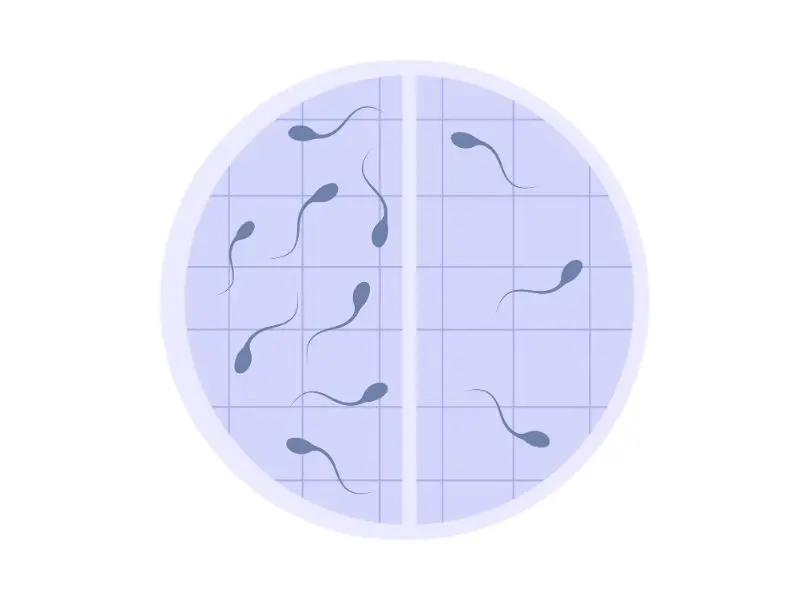
Azospermia is defined as the absence of sperm cells in semen. This condition is one of the most important causes of male infertility and is also known as a “sperm production disorder.” Azospermia is generally difficult to notice because it may not show any physical symptoms. However, it is commonly encountered among couples who seek to have children.
Azospermia is defined as the absence of sperm cells in semen. This condition is one of the most important causes of male infertility and is also known as a “sperm production disorder.” Azospermia is generally difficult to notice because it may not show any physical symptoms. However, it is commonly encountered among couples who seek to have children.
This condition is evaluated within the scope of male infertility, and different treatment methods are available. Azospermia may occur due to various causes, and identifying these causes affects the treatment process. Therefore, a comprehensive evaluation is required when diagnosing azospermia.
Accurate diagnosis of azospermia and determining appropriate treatment methods may increase couples’ chances of having children. Detailed evaluations carried out by specialists such as Prof. Dr. Hakkı Perk in Ankara can help manage this process successfully.
Symptoms of Azospermia
The most obvious symptom of azospermia is the inability to have children. However, since there may be various underlying causes of this condition, there are no specific physical symptoms that point only to azospermia. Therefore, it is important for men to undergo infertility testing.
Symptoms may also include sexual dysfunction, abnormal testicular size, or changes in shape. However, these symptoms do not always indicate azospermia. Therefore, consulting a specialist physician is essential in order to establish an accurate diagnosis.
Hormonal imbalances, low testosterone levels, or genetic problems in men may also be among the underlying causes of azospermia. Such problems are generally detected through blood tests and other medical evaluations.
Causes of Azospermia
Azospermia is generally classified into two main categories: obstructive and non-obstructive. Obstructive azospermia occurs when sperm production exists but there is a blockage in the sperm ducts. This blockage may occur due to infections, surgical procedures, or congenital abnormalities.
Non-obstructive azospermia, on the other hand, occurs when there is a disorder in sperm production. This type of azospermia is usually caused by hormonal imbalances, chromosomal abnormalities, or damage to the testicles. Genetic factors may also play an important role in this condition.
In both cases, identifying the factors causing azospermia is of great importance in order to apply the correct treatment methods. Detailed examinations performed by Prof. Dr. Hakkı Perk in Ankara may be effective in revealing the causes of azospermia.
Relationship Between Male Sterility and Male Infertility
Male sterility is often associated with azospermia and other sperm production disorders. Male infertility may result not only from the absence of sperm but also from poor sperm quality. This negatively affects couples’ chances of having children.
Azospermia is considered one of the most severe forms of male infertility. This condition may make it impossible for an individual to have children naturally. However, thanks to modern medical techniques developed today, men with azospermia may also have the chance to become fathers.
Understanding this relationship is critical for determining the correct treatment methods. Specialists such as Prof. Dr. Hakkı Perk in Ankara make important contributions in this field through their work on male sterility and infertility.
Sperm Production Disorder: Diagnostic Process
The diagnosis of sperm production disorders generally requires a comprehensive medical evaluation. The first step is taking a detailed patient history. During this process, factors such as the individual’s medical history, family history, and lifestyle are taken into consideration.
Physical examination is used to evaluate the size and structure of the testicles. In addition, blood tests may be performed to measure hormone levels. These tests may help identify the hormonal causes of azospermia.
Finally, semen analysis is performed. This analysis is used to determine whether sperm are present in the semen and to measure sperm count. If no sperm are found in the semen analysis, further examinations may be required.
Diagnostic Methods for Azospermia
Several different methods are used in the diagnosis of azospermia. Semen analysis is the first and most commonly used method. This analysis helps determine the presence and quantity of sperm. If no sperm are found in the semen, a diagnosis of azospermia may be made.
Hormone tests investigate the causes of sperm production disorders by measuring hormone levels in the body. In particular, the levels of hormones such as testosterone, FSH, and LH provide information about sperm production.
Genetic tests check for the presence of genetic abnormalities. These tests may reveal problems such as chromosomal anomalies or genetic diseases. In addition, surgical methods such as biopsy may also be used during the diagnostic process to detect blockages or other physical problems.
What Is Micro TESE and How Is It Performed?
Micro TESE (Testicular Sperm Extraction) is a surgical procedure used to obtain sperm in men diagnosed with azospermia. This method is performed under a microscope to extract sperm cells from testicular tissue.
The procedure is performed under general anesthesia, and small tissue samples are taken from the testicles. These samples are then examined in a laboratory environment to search for viable sperm cells. Micro TESE is an effective method especially in cases of non-obstructive azospermia.
In Ankara, Prof. Dr. Hakkı Perk offers solutions for couples who cannot have children due to azospermia by performing this procedure. Micro TESE has provided significant progress in the treatment of male infertility and has enabled many couples to have children.
Treatment Methods for Azospermia
In the treatment of azospermia, it is first necessary to determine the cause accurately. In cases of obstructive azospermia, surgical methods are used to remove the blockage. In cases of non-obstructive azospermia, hormone therapy or sperm retrieval techniques may be applied.
In cases of azospermia caused by hormonal imbalances, sperm production may be stimulated through hormone therapy. This treatment is generally a long-term process and requires regular follow-up.
Surgical methods such as Micro TESE make it possible to obtain sperm directly from the testicles. These methods are especially preferred when other treatment options are unsuccessful. In Ankara, Prof. Dr. Hakkı Perk helps patients by offering various treatment methods for azospermia.
Modern Infertility Treatments and Approaches
Today, modern infertility treatments offer various methods to overcome azospermia and other male infertility problems. These treatments are generally planned individually and increase couples’ chances of having children.
Assisted reproductive techniques such as in vitro fertilization (IVF) may provide effective results when combined with sperm retrieval methods. Such techniques may achieve successful pregnancies even in serious conditions such as azospermia.
Modern approaches used in the treatment of male infertility aim not only to address physical problems but also to provide psychological and emotional support. In this context, specialists such as Prof. Dr. Hakkı Perk in Ankara support their patients both medically and emotionally, making the treatment process more effective.
The information here is for general education only and is not medical advice. Please consult your physician for personalized treatment.