









Circumcision
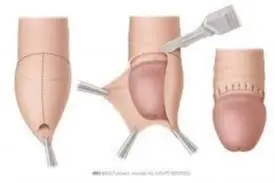
Circumcision is the surgical removal of the foreskin covering the tip of the penis in males. Although this practice is widely performed for religious and cultural reasons, it also provides various medical benefits. With historical roots dating back thousands of years, circumcision continues to be practiced by different communities around the world today.
Circumcision is the surgical removal of the foreskin covering the tip of the penis in males. Although this practice is widely performed for religious and cultural reasons, it also provides various medical benefits. With historical roots dating back thousands of years, circumcision continues to be practiced by different communities around the world today.
The medical benefits of circumcision include a reduced risk of urinary tract infections, easier genital hygiene, and partial protection against certain sexually transmitted diseases. In addition, the risk of penile cancer is significantly lower after circumcision. For these reasons, circumcision holds an important place among medical procedures.
Although circumcision remains a controversial subject in some societies, research regarding its benefits and risks indicates that the procedure may offer several health advantages. However, as with any medical procedure, circumcision should be carefully evaluated and performed by an experienced physician.
Surgical Circumcision: Procedure and Techniques
Surgical circumcision is an operation performed using various techniques. These include the traditional scalpel method, cauterization, and laser circumcision. Each technique has its own advantages and disadvantages, and the choice depends on factors such as the patient’s age, health condition, and the physician’s experience.
The scalpel method is one of the oldest and most commonly used circumcision techniques. In this method, the surgeon carefully cuts the foreskin with a scalpel and removes the excess tissue. The cauterization method uses electrical current to cut tissue and control bleeding. Laser circumcision is a modern technique performed using laser energy and is generally associated with less bleeding and a faster recovery period.
When deciding which technique to use, a detailed discussion between the family and the physician is important. This evaluation plays a critical role both in increasing the success of the procedure and minimizing possible complications.
Pediatric Urology and Circumcision
Pediatric urology is a medical specialty that focuses on the diagnosis and treatment of urinary and reproductive system disorders in children. Circumcision is considered an important part of pediatric urology. Physicians specialized in this field perform circumcision safely and effectively while ensuring healthy recovery for children.
The physiological differences of children are among the most important factors that must be considered during planning and performing circumcision. Pediatric urology specialists select the most appropriate surgical technique according to the child’s anatomical structure and developmental stage. This helps minimize possible complications both during the procedure and throughout recovery.
It is important for families to receive detailed information from pediatric urology specialists before circumcision and to carefully evaluate their child’s health condition. In this process, receiving professional consultation from experienced specialists such as Prof. Dr. Hakkı Perk in Ankara may provide a significant advantage for a safe and successful circumcision procedure.
Newborn Circumcision: Reasons and Benefits
Newborn circumcision refers to circumcision performed during the neonatal period. This procedure is generally carried out within the first few weeks after birth and offers several health benefits. Circumcision during the newborn period is often preferred because healing is usually faster and the risk of complications is lower.
The advantages of newborn circumcision include a reduced risk of urinary tract infections and partial protection against sexually transmitted diseases. In addition, circumcision performed at this age may minimize psychological discomfort later in life and help maintain easier hygiene.
When deciding whether newborn circumcision is appropriate, parents should have a detailed discussion with their physician. This evaluation should take into account the child’s general health, family history, and possible risks. When properly performed, newborn circumcision may provide benefits both for the child’s health and for family comfort.
Circumcision Surgery Process
Circumcision surgery consists of three main stages: preoperative preparation, surgical intervention, and postoperative care. Each stage plays an important role in the success of the procedure and the child’s healthy recovery.
Before surgery, physicians usually review the child’s medical history and perform the necessary examinations. This process is intended to minimize risks and ensure that the operation can be carried out safely. Families are also provided with detailed information regarding the procedure, and their questions are answered.
During the operation, specialist physicians carefully perform the circumcision procedure. The operation is usually completed within a short period under anesthesia. Postoperative care is one of the most important parts of the recovery process. During this period, families should pay close attention to hygiene and wound care and carefully follow the physician’s recommendations.
Circumcision Under Local Anesthesia: Procedure and Advantages
Circumcision under local anesthesia is commonly performed in both children and adults. In this technique, only the circumcision area is numbed, allowing the patient to remain pain-free during the operation. Compared with general anesthesia, local anesthesia carries fewer risks and may accelerate the recovery process.
One of the greatest advantages of circumcision under local anesthesia is the short procedure time and the ability for the patient to be discharged on the same day. In addition, because general anesthesia is not required, anesthesia-related complications are minimized. This method is especially suitable for individuals whose medical condition makes general anesthesia riskier.
Circumcision under local anesthesia should be carefully performed by experienced physicians. During the anesthesia process, patient comfort and safety remain the highest priorities. As a result, the circumcision experience becomes less stressful for both patients and their families.
Recovery Process and Care
The recovery period after circumcision surgery is a phase that should be monitored carefully. Recovery generally lasts from several days to one week, and during this period wound healing should be closely observed. Proper postoperative care is essential to ensure smooth recovery.
Postoperative care includes keeping the wound area clean and regularly applying creams or medications recommended by the physician. Tight clothing should be avoided, and attention should be paid to the child’s movements. During this period, a balanced diet may help strengthen the child’s immune system and support healing.
Families should remain alert for possible signs of infection and seek medical attention immediately if any unusual symptoms occur. With proper care and careful follow-up, the healing process can usually be completed without problems. Following medical advice during this period helps minimize complications and supports healthy recovery.
Possible Complications of Circumcision and Their Management
As with any surgical procedure, some complications may occur after circumcision. However, such complications are generally rare and can usually be managed easily by an experienced physician. Possible complications include infection, bleeding, and delayed wound healing.
Infection is one of the most common complications after circumcision. This can generally be prevented through proper wound cleaning and, when necessary, the use of antibiotics. Bleeding is usually mild and can typically be controlled with methods recommended by the physician.
To manage complications effectively, it is important to follow the physician’s recommendations carefully and seek medical attention without delay if any suspicious symptoms appear. In addition, circumcision should be performed by an experienced urologist to minimize the risk of complications. Specialists such as Prof. Dr. Hakkı Perk in Ankara play an important role in ensuring that circumcision procedures are carried out safely.
The Role of Circumcision in Urology
Urology is the branch of medicine concerned with diagnosing and treating diseases of the male reproductive system and urinary tract. Circumcision is considered an important procedure in terms of urological health. In particular, circumcision contributes significantly to reducing infection risk and improving genital hygiene.
Urologists are the medical professionals who perform circumcision and monitor the process, evaluating all surgical and health-related aspects of the procedure. This evaluation helps ensure that circumcision is performed at the appropriate age and using the most suitable method. In addition, urologists play a critical role in managing possible postoperative problems.
In conclusion, circumcision holds an important place within the field of urology. Proper understanding of the benefits of circumcision and making informed decisions regarding the procedure may have positive long-term health effects. Obtaining accurate medical information and professional support is always the best approach in healthcare-related matters.
The information here is for general education only and is not medical advice. Please consult your physician for personalized treatment.