









Ureteral Stone
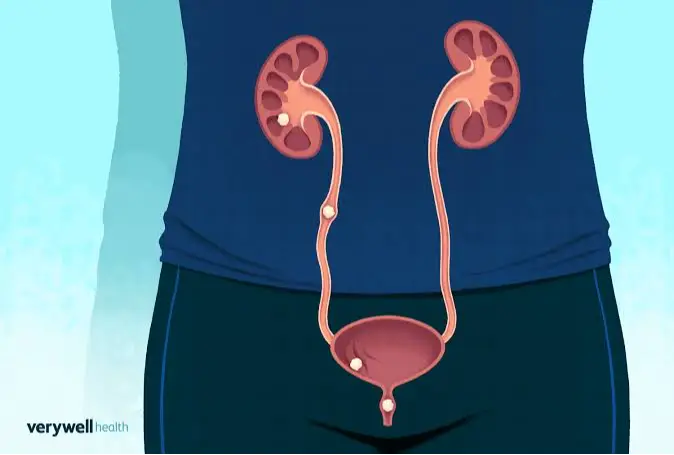
Ureter stones are hard mineral deposits that form in the ureter, the tube that carries urine from the kidney to the bladder. Ureter stones form when kidney stones travel down into the ureter and usually cause pain. The size of the stone, the obstruction it causes, and its location affect the severity of the symptoms.
Ureter stones are hard mineral deposits that form in the ureter, the tube that carries urine from the kidney to the bladder. Ureter stones form when kidney stones travel down into the ureter and usually cause pain. The size of the stone, the obstruction it causes, and its location affect the severity of the symptoms.
Ureter stones can have different mineral compositions. The most common types are calcium oxalate stones, but calcium phosphate, struvite, uric acid, and cystine stones can also occur. This diversity also brings with it different factors that influence stone formation.
Understanding the formation of these stones helps in developing treatment and prevention strategies. Understanding the structure of ureteral stones is critical in creating accurate and effective treatment plans.
Symptoms of Ureter Stones
Ureter stones most commonly cause severe flank pain. This pain usually starts suddenly and comes in waves. The intensity of the pain can vary depending on the size of the stone and its location in the ureter. The pain is usually felt in the lower back or lower abdomen and can sometimes radiate towards the groin.
Symptoms may include nausea and vomiting. The movement of the stone through the ureter causes irritation in the urinary tract, leading to these symptoms. A burning sensation during urination or a frequent urge to urinate are also common symptoms.
Bloody urine is another symptom of ureteral stones. Irritation caused by the stone's movement through the urinary tract can result in blood in the urine. Additionally, if an infection develops, symptoms such as fever and chills may occur.
Causes of Ureter Stones
Many factors contribute to the formation of ureteral stones. These include genetic predisposition, insufficient fluid intake, dietary habits, and certain health conditions. In particular, not drinking enough water can make urine more concentrated, creating a زمینه for stone formation.
Dietary habits can also affect stone formation. Diets high in calcium, oxalate, protein, and sodium can increase the risk of stones. Therefore, a balanced diet plays an important role in preventing stone formation.
In addition, certain health conditions can increase the risk of ureteral stones. For example, gout can cause the formation of uric acid stones, while some intestinal diseases can trigger the formation of calcium stones. Understanding these factors can help develop effective prevention strategies.
Diagnosis of Ureter Stones
The diagnosis of ureteral stones usually begins with a medical history and physical examination. Experts like Prof. Dr. Hakkı Perk guide this process. Various tests may be performed to aid in diagnosis, taking into account the patient's symptoms and past medical history.
Laboratory tests can detect abnormalities that may lead to stone formation by examining the composition of urine. Blood tests are also used to assess mineral levels in the body and kidney function. These tests are important for understanding the chemical composition of stones.
Imaging tests are used to determine the size and location of stones. Techniques such as ultrasound, X-ray, and computed tomography (CT) scans clearly show the location and size of stones within the ureter. This information helps in choosing the appropriate treatment method.
Ureter Stone Treatment Methods
Treatment for ureteral stones varies depending on the size and location of the stone. Small stones can often pass on their own with drinking plenty of water and taking painkillers. Patients are advised to consume plenty of fluids during this process.
Larger stones or stones causing severe symptoms may require professional intervention. In these cases, endoscopic surgery is an effective method for stone removal. In Ankara, in particular, specialists like Prof. Dr. Hakkı Perk successfully perform these types of surgical procedures.
In some cases, medication may also be used. Alpha-blockers can relax the ureter muscles, making it easier for the stone to pass. These types of treatments are recommended by a doctor depending on the size and location of the stone.
Stone Crushing Methods
Stone crushing techniques are frequently used in the treatment of ureteral stones. Extracorporeal Shock Wave Lithotripsy (ESWL) uses sound waves sent from outside the body to break up the stones. This method is preferred because it is minimally invasive.
Laser lithotripsy is another innovative method offered by modern urology. During ureteroscopy, lasers are used to break up the stones, making them easier to pass. This method is particularly suitable for small to medium-sized stones.
In Ankara, experts like Prof. Dr. Hakkı Perk successfully apply these modern techniques, facilitating the treatment process for patients. Both methods are chosen according to the patient's condition and the characteristics of the stone.
Modern Urology and Laser Stone Treatment
Modern urology offers innovative approaches to the treatment of ureteral stones. Laser stone treatment is one of the prominent methods in this field. Laser interventions offer a rapid recovery process due to their minimally invasive nature.
This treatment method involves breaking up stones into small pieces using laser energy during ureteroscopy. These pieces are then expelled from the body through the urinary tract. Laser stone treatment is notable for its high success rates and low risk of complications.
Prof. Dr. Hakkı Perk and his team are applying these modern methods in Ankara, offering effective solutions to their patients. Technological advancements provide significant advantages in the treatment of ureteral stones.
Differences Between Urinary Tract Stones and Kidney Stones
Ureter stones are a type of urinary tract stone, but they differ from kidney stones. Kidney stones form in the kidneys and can travel down into the ureter. Ureter stones, however, can become lodged in this channel, causing pain and other symptoms.
Kidney stones are generally larger and can affect kidney function. Ureter stones, on the other hand, are usually smaller, but can cause blockage and severe pain. Both types of stones can form for similar reasons, but treatment approaches may differ.
These differences are important in determining the treatment plan. In Ankara, specialists like Prof. Dr. Hakkı Perk offer appropriate treatment strategies for both types of stones. Accurate diagnosis and treatment ensure successful management of the stones.
Methods for Coping with Severe Flank Pain
Severe flank pain is the most common and bothersome symptom associated with ureteral stones. Managing this pain is important for improving the patient's quality of life. Several methods are available to alleviate the pain.
Medication is the first step in pain management. Nonsteroidal anti-inflammatory drugs (NSAIDs) and analgesics can be effective in relieving pain. However, it is important that these medications are used under the supervision of a doctor.
Applying a hot water bottle is another simple method used to relieve pain. The warmth relaxes the muscles and can help reduce pain. Additionally, drinking plenty of fluids can contribute to pain reduction by making it easier for the stone to move.
Managing ureteral stones is possible with the right information and professional support. Experts in Ankara and experienced doctors like Prof. Dr. Hakkı Perk guide patients through this process. I recommend consulting a specialist to learn more about ureteral stones and evaluate your treatment options. Don't neglect your health; early intervention can help you live a healthier life.
The information here is for general education only and is not medical advice. Please consult your physician for personalized treatment.