









Benign Prostatic Enlargement
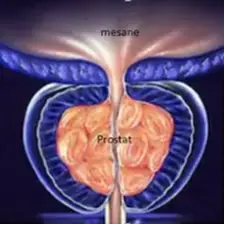
Benign Prostate Enlargement, medically known as “Benign Prostatic Hyperplasia” (BPH), is a condition characterized by the enlargement of the aging prostate gland in men. The prostate is located just below the bladder and surrounds the urethra. Enlargement of this gland may restrict urine flow and lead to many bothersome symptoms.
Benign Prostate Enlargement, medically known as “Benign Prostatic Hyperplasia” (BPH), is a condition characterized by the enlargement of the aging prostate gland in men. The prostate is located just below the bladder and surrounds the urethra. Enlargement of this gland may restrict urine flow and lead to many bothersome symptoms.
Prostate enlargement is generally seen in middle-aged and older men. In most cases, this enlargement is not associated with cancer and is described as “benign.” However, if left untreated, this condition may seriously affect quality of life. BPH is a common health issue that many men may encounter at some point in their lives.
Understanding BPH is important for maintaining quality of life through early diagnosis and appropriate treatment. Working with specialists such as Prof. Dr. Hakkı Perk, who practices in Ankara, provides valuable guidance for patients. In this article, we aim to provide comprehensive information about BPH and help you manage this condition.
Symptoms of Benign Prostate Enlargement
The symptoms of BPH are generally centered around urinary problems. These symptoms occur as a result of increased pressure on the bladder caused by the enlargement of the prostate gland. Below are the most common symptoms of BPH:
Weak Urine Flow: Weak or interrupted urine flow during urination.
Frequent Nighttime Urination (Nocturia): Waking up frequently during the night to urinate.
Feeling of Incomplete Emptying: A sensation that the bladder has not been completely emptied after urination.
These symptoms may make daily life difficult and disrupt sleep patterns. The severity of BPH may vary from person to person, and while some men experience mild symptoms, others may have more pronounced complaints. If symptoms worsen, it is important to consult a specialist.
Early diagnosis and treatment may prevent symptoms from worsening and improve quality of life. Specialists such as Prof. Dr. Hakkı Perk in Ankara can provide guidance in the diagnosis and treatment of BPH and offer a personalized treatment plan.
Causes of Benign Prostate Enlargement
Although the exact cause of BPH is not fully known, aging and hormonal changes are among the most important factors. As men age, testosterone production decreases and the levels of a hormone called dihydrotestosterone (DHT) may increase. DHT may contribute to the growth of prostate cells.
In addition, genetic factors may also play a role in the development of BPH. Men with a family history of BPH have a higher risk of developing this condition. Furthermore, lifestyle factors may affect the risk of BPH. For example, obesity, lack of physical activity, and poor dietary habits may increase the risk of prostate enlargement.
In addition to these factors, some studies suggest that smoking and alcohol consumption may also contribute to the development of BPH. Adopting a healthy lifestyle is important for reducing the risk of prostate enlargement. Regular exercise, balanced nutrition, and management of risk factors may help prevent BPH.
Diagnosis of Benign Prostate Enlargement
The diagnosis of BPH is generally made through various tests and physical examination. The first step is a physical examination performed by a doctor to evaluate the size and function of the prostate. The doctor may also request laboratory tests such as urinalysis and blood tests. These tests check for signs of infection or other diseases.
Imaging tests such as ultrasound may also be used to evaluate the size and structure of the prostate. In addition, a test called uroflowmetry helps determine how well the bladder empties by measuring urine flow rate. These tests are important for evaluating the severity and effects of BPH.
After a diagnosis of BPH is made, your doctor will evaluate treatment options with you. Early diagnosis and an appropriate treatment plan may help manage symptoms and improve quality of life. Working with an experienced specialist such as Prof. Dr. Hakkı Perk in Ankara may help you determine the most suitable treatment strategies.
Treatment Methods for Benign Prostate Enlargement
The treatment of BPH varies depending on the severity of symptoms and the patient’s overall health condition. Treatment options include medication therapy, minimally invasive procedures, and surgical intervention. Common BPH treatment methods include:
Medication Therapy: Medications such as alpha blockers and 5-alpha reductase inhibitors may help shrink the prostate and improve urine flow.
Minimally Invasive Procedures: Procedures such as transurethral microwave therapy (TUMT) and transurethral needle ablation (TUNA) use heat or energy to reduce prostate tissue.
Surgical Intervention: Surgical methods such as transurethral resection of the prostate (TURP) may be performed in advanced BPH cases to remove part of the prostate tissue.
Each treatment option should be carefully evaluated with its advantages and potential side effects. Your doctor can help determine the most appropriate treatment method for you. When making your treatment decision, it is also important to consider lifestyle changes.
Frequently Asked Questions About Benign Prostate Enlargement
1. Can BPH turn into cancer?
No, BPH is not cancer and does not turn into cancer. However, BPH and prostate cancer may show similar symptoms, so regular check-ups are important.
2. What can I do to relieve BPH symptoms?
Adopting a healthy lifestyle may help relieve symptoms. Regular exercise, adequate fluid intake, and regulating urination habits may be beneficial.
3. Is BPH seen only in older men?
Although BPH is generally seen in men aged 50 and older, it may also occur in younger men. Therefore, it is important to consult a specialist when symptoms appear.
For more information about BPH or a personal evaluation, you may contact Prof. Dr. Hakkı Perk in Ankara. By consulting with a specialist physician, you can better understand the symptoms and treatment options of BPH and improve your quality of life. Do not neglect your health; with accurate information and proper treatment, you can maintain a healthy life.
The information here is for general education only and is not medical advice. Please consult your physician for personalized treatment.