









TUiP
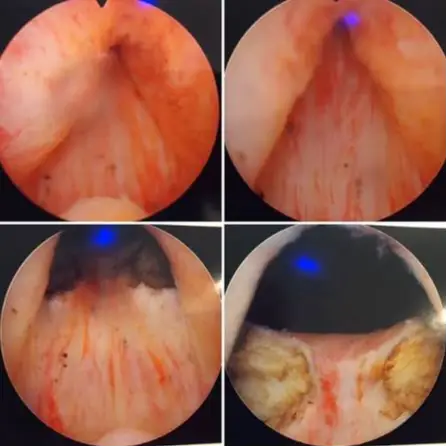
Transurethral Prostate Incision, in shortTUIPprostate enlargement andBenign Prostatic Hyperplasia (BPH)It is a minimally invasive surgical method used for treatment. In this procedure, small incisions are made in the prostate tissue surrounding the urethra, thus relieving the tissues that are obstructing urine flow. This method, which is preferred especially in men with smaller prostate volumes, offers a faster recovery time and a lower risk of complications.
Transurethral Prostate Incision, in shortTUIPprostate enlargement andBenign Prostatic Hyperplasia (BPH)It is a minimally invasive surgical method used for treatment. In this procedure, small incisions are made in the prostate tissue surrounding the urethra, thus relieving the tissues that are obstructing urine flow. This method, which is preferred especially in men with smaller prostate volumes, offers a faster recovery time and a lower risk of complications.
The primary goal of TUIP is to relieve prostate tissue that obstructs urine flow and improve the patient's quality of life. Prostate enlargement is a condition that can occur in most men as they age and can lead to discomforts such as difficulty urinating. TUIP offers an effective solution to these problems because the procedure is usually completed quickly under general anesthesia, allowing the patient to quickly return to their daily activities.
For many patients, TUIP carries less risk compared to more invasive surgical options. This method, which has a lower risk of bleeding and infection in particular, offers a minimally invasive approach, allowing patients to recover more quickly. Urology specialists in Ankara are increasing the success rate of TUIP through careful patient selection and appropriate techniques.
Advantages of Transurethral Prostate Incision Method
Transurethral Prostate IncisionTuip offers several advantages compared to other surgical procedures. Chief among these is the rapid recovery time. Patients can usually return to their normal activities within a few days after TUIP, which is a significant advantage over other methods requiring prolonged hospital stays.
Another significant advantage is the low risk of complications. TUIP is known as a procedure with minimal complications such as bleeding and infection. This is a major reason for choosing it, especially for older patients. Furthermore, sexual function is generally preserved after TUIP, which increases patient satisfaction with the treatment.
Additionally, the minimally invasive nature of TUIP means less pain and discomfort after the procedure. This means patients require less pain medication and therefore experience fewer side effects. These advantages make TUIP an attractive option for treating prostate enlargement.
Information about Prostate Enlargement and Benign Prostatic Hyperplasia (BPH)
Prostate EnlargementThis is a common condition in men, usually developing with age. It can obstruct urine flow, particularly when the prostate gland enlarges around the urethra.Benign Prostatic Hyperplasia (BPH)It is defined as a benign enlargement of the prostate and is not related to cancer.
Symptoms of BPH include frequent urination, especially increased frequency of urination at night, a weak urine stream, and difficulty urinating. These symptoms can negatively impact the quality of life for men and, if left untreated, can lead to more serious complications.
Treatment for BPH depends on the patient's symptoms and the size of the prostate. TUIP offers an effective treatment option for small to medium-sized prostates. This method helps patients experience rapid symptom relief and improves their quality of life.
Why Should Minimally Invasive Prostate Treatment Be Preferred?
Minimally Invasive Prostate TreatmentTuip is increasingly preferred in the treatment of prostate enlargement. The main reason for this is that these methods are less traumatic and increase patient comfort. Minimally invasive methods such as TUIP minimize the risks associated with surgical intervention while offering effective results.
These types of treatments allow patients to recover more quickly and prevent prolonged hospital stays. Furthermore, procedures performed using minimally invasive methods generally carry less blood loss and a lower risk of complications. This is particularly important for patients in the elderly age group.
Minimally invasive prostate treatment can help patients preserve their sexual and urinary functions. This significantly improves patients' quality of life after treatment. Therefore, urologists aim to maximize the benefits of such treatments through careful patient selection.
Application Areas and Patient Selection of TUIP
TUIPThis is a suitable treatment option, especially for patients with prostate volume below 30 ml. This method offers a less traumatic option compared to other surgical interventions recommended for larger prostates. It is also ideal for patients in good general health and without serious medical problems.
Patient selection directly impacts the success of TUIP. Suitable candidates include patients with BPH symptoms who are unsuitable for other surgical options due to the size of their prostate. Correct patient selection both increases treatment success and minimizes the risk of complications.
Experts consider factors such as the patient's overall health, prostate size, and the severity of BPH symptoms when evaluating TUIP candidates. In Ankara, with guidance from experts like Prof. Dr. Hakkı Perk, the effectiveness of TUIP can be increased through appropriate patient selection and correct techniques.
Clinical Applications of the TUIP Method
TUIP,urologyIt has a wide range of clinical applications in the treatment of prostate enlargement. This method offers an effective solution, especially for patients experiencing urinary difficulties and requiring surgical intervention. TUIP improves urine flow by reducing the pressure of the prostate on the urethra.
In clinical practice, TUIP is generally performed on patients with prostate volumes below 30 ml. For larger prostates, other surgical methods are usually preferred. However, due to its minimally invasive nature, TUIP may be the first choice for many patients.
The clinical success rate of TUIP is directly related to the correct patient selection and the effective use of surgical techniques. When performing this procedure, expert physicians aim to achieve the best results by considering the patients' general health status and the anatomical characteristics of the prostate.
Post-TUIP Patient Follow-up and Expectations
Post-TUIP patient follow-up is critical for treatment success and improving the patient's quality of life. After the procedure, patients can usually return to their daily activities within a few days. However, full recovery time can vary from person to person, and it is important to follow your doctor's recommendations.
During patient follow-up, post-procedure symptoms and urine flow are carefully monitored. Urination usually becomes easier after TUIP, and BPH symptoms are significantly reduced. Patients should attend regular doctor check-ups in the post-procedure period and adhere to recommended lifestyle changes.
Following TUIP, patients need to be vigilant for complications such as urinary tract infections. To prevent such complications, antibiotic treatment and other recommendations given by the doctor should be followed. Regular communication with their doctor throughout the recovery process will increase the success of the treatment.
The information here is for general education only and is not medical advice. Please consult your physician for personalized treatment.