









Prostate Biopsy
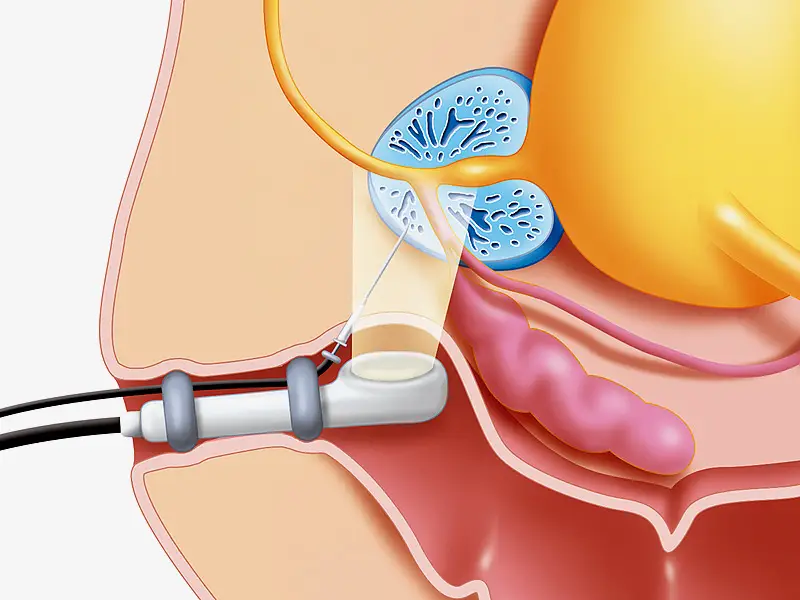
Prostate biopsy is a medical procedure performed to investigate the presence of cancerous cells by taking tissue samples from the prostate gland. It is generally recommended due to abnormalities detected during a urological evaluation or elevated Prostate-Specific Antigen (PSA) levels. The PSA test plays an important role in determining the risk of prostate cancer; however, high PSA levels do not always indicate cancer, which is why a biopsy is necessary.
Prostate biopsy is a medical procedure performed to investigate the presence of cancerous cells by taking tissue samples from the prostate gland. It is generally recommended due to abnormalities detected during a urological evaluation or elevated Prostate-Specific Antigen (PSA) levels. The PSA test plays an important role in determining the risk of prostate cancer; however, high PSA levels do not always indicate cancer, which is why a biopsy is necessary.
During the biopsy procedure, samples are taken from various areas of the prostate gland using a thin needle. These samples are examined under a microscope in a pathology laboratory to evaluate the presence and spread of cancer cells. A biopsy is recommended by considering the patient’s overall health condition and physical examination findings.
Although prostate biopsy is considered a minimally invasive procedure, it carries certain side effects and risks. Therefore, the patient is informed about the necessity of the procedure and its potential outcomes, and consent is obtained.
The Necessity of Prostate Biopsy
Prostate biopsy is a critical step in the early diagnosis of cancer. Early diagnosis increases treatment options and improves the likelihood of recovery. Men with a family history of prostate cancer should be evaluated more carefully regarding the need for a biopsy.
The necessity of a biopsy is determined by sudden increases in PSA levels or abnormalities detected during a digital rectal examination. Elevated PSA levels may also be associated with conditions other than cancer, such as prostatitis or benign prostatic hyperplasia. Therefore, the PSA test alone is not sufficient for diagnosis.
In the biopsy decision-making process, the patient’s age, general health condition, and personal preferences are also taken into consideration. It is important for patients to receive detailed information about the risks and benefits of the biopsy procedure.
The Relationship Between Prostate Cancer and Elevated PSA Levels
Prostate cancer is one of the most common types of cancer in men, and the PSA test is an important tool in the early diagnosis of this disease. Elevated PSA levels may indicate abnormal cellular activity in the prostate gland; however, this condition does not always indicate cancer.
High PSA levels may also be a sign of other prostate problems. Conditions such as prostatitis or benign prostatic hyperplasia may also increase PSA values. Therefore, these possibilities must be evaluated before performing a biopsy.
Although cancer is a life-threatening disease, it can become manageable with early diagnosis and proper treatment. For this reason, performing a biopsy to determine the cause of elevated PSA levels is important.
MRI Fusion Biopsy: A New Approach
MRI Fusion Biopsy is an innovative technique used in the diagnosis of prostate cancer. This method is performed by combining magnetic resonance imaging (MRI) with ultrasound images. In this way, the targeted areas can be identified more precisely, and biopsy accuracy is increased.
This technique is especially effective in detecting cancer foci that cannot be identified using standard biopsy methods. MRI fusion biopsy helps patients avoid unnecessary repeat biopsies and reduces the risk of complications. At the same time, it provides more precise information about the extent of cancer spread.
MRI fusion biopsy offers a safer and more effective diagnostic process for both the patient and the physician. The use of this method contributes to the advancement of modern diagnostic techniques and significant progress in prostate cancer management.
What Is Targeted Prostate Biopsy?
Targeted prostate biopsy is a biopsy method performed by focusing specifically on suspicious areas that may contain cancer. This technique allows tissue samples to be taken from targeted regions using imaging methods such as MRI or ultrasound.
Targeted biopsy provides more detailed information about the presence and spread of cancerous cells. Compared to traditional biopsy methods, it enables more accurate results with fewer samples. This makes the procedure less invasive and more patient-friendly.
This biopsy method is especially preferred for patients whose previous biopsy results were inconclusive. Targeted biopsy contributes to accurate diagnosis and the creation of an appropriate treatment plan.
The Prostate Biopsy Process
The prostate biopsy process is generally performed in an outpatient clinical setting. In the first stage, the patient is given detailed information about the procedure and the necessary preparations are made. The procedure is usually performed under local anesthesia, and the patient generally does not feel pain or significant discomfort.
During the biopsy, tissue samples are taken from the prostate gland using a thin needle. This procedure is performed under transrectal ultrasound (TRUS) guidance, and generally 10–12 samples are collected. After the procedure, the patient is informed about possible complications and important points to consider.
After the procedure, patients are usually discharged on the same day and can return to their daily activities. However, side effects such as short-term bleeding or mild discomfort may occur. These effects generally resolve on their own within a short time.
Risks and Side Effects of Prostate Biopsy
As with any medical procedure, prostate biopsy also carries certain risks and side effects. The most common side effects include short-term bleeding after the procedure, blood in the urine, and a temporary risk of infection. These effects are usually mild and temporary and tend to resolve spontaneously.
In rarer cases, serious complications such as severe infections or sepsis may develop after a prostate biopsy. Therefore, symptoms after the procedure should be carefully monitored, and a doctor should be consulted immediately if any abnormalities are noticed.
Before the biopsy, the patient should be informed in detail by the physician about possible risks and side effects. This information helps the patient make an informed decision and cope more comfortably with the post-procedure process.
Modern Diagnostic Methods and the Importance of Early Diagnosis
Modern medical technologies have provided significant advancements in the diagnosis and treatment of prostate cancer. In particular, advanced imaging techniques and targeted biopsy methods increase early diagnosis opportunities and improve patients’ quality of life.
Early diagnosis allows cancer to be treated more effectively and helps prevent disease progression. For this reason, men above a certain age are advised to undergo regular prostate examinations. These examinations help in the early detection of not only cancer but also other prostate-related problems.
The use of early diagnosis and modern diagnostic methods enables patients to benefit from less invasive treatment options. This contributes to a shorter treatment process with fewer complications.
Follow-Up Process After Prostate Biopsy
Regular follow-up after a prostate biopsy is important. The biopsy results are evaluated by the physician and explained to the patient in detail. If cancerous cells are detected, information is provided about treatment options and the treatment process.
During the follow-up process, the patient’s health condition and possible symptoms are carefully monitored. Regular monitoring of PSA levels helps evaluate the response to treatment. If necessary, additional biopsies or imaging tests may be performed.
It is important for patients to be aware of symptoms and complications after the biopsy. During this process, patients should remain in continuous communication with their physician and follow the recommended follow-up protocols.
In conclusion, prostate biopsy is a critical procedure for the early diagnosis and proper management of prostate cancer. If you or your loved ones are concerned about prostate-related problems, do not overlook the importance of early diagnosis and do not hesitate to consult a urology specialist. To take the right step for your health, you may contact us and receive support from our expert team. We wish you healthy days.
The information here is for general education only and is not medical advice. Please consult your physician for personalized treatment.