









RiRS
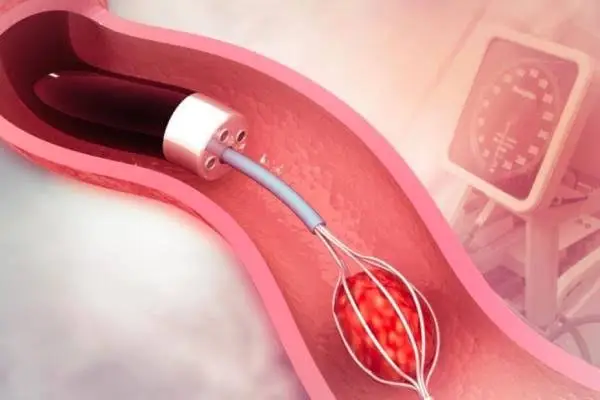
RIRS, that is Retrograde Intrarenal SurgeryRiser RIRS is a minimally invasive surgical procedure used to treat kidney stones. This procedure is performed by entering through the urinary tract to directly access and treat the kidney stones. Particularly less traumatic than traditional surgical methods, RIRS allows for a faster recovery for patients.
RIRS, that is Retrograde Intrarenal SurgeryRiser RIRS is a minimally invasive surgical procedure used to treat kidney stones. This procedure is performed by entering through the urinary tract to directly access and treat the kidney stones. Particularly less traumatic than traditional surgical methods, RIRS allows for a faster recovery for patients.
Kidney stones are a common urinary tract disorder that can cause severe pain and complications. Treatment options for this problem include:RIRSThis procedure stands out as an effective and safe alternative. Thanks to the flexible ureteroscopes and laser technology used during the procedure, it becomes possible to remove or break up the stones.
RIRS is a rapidly spreading technique in urology, offering significant advantages, particularly when considering the intrarenal location and size of stones. We aim to help our patients make informed decisions by providing detailed information about this method.
Advantages of RIRS
One of the biggest advantages of the RIRS method is that it is a minimally invasive procedure. Because it does not require large surgical incisions, patients recover very quickly. In addition, the risk of post-operative pain and complications is lower compared to traditional methods.Flexible UreteroscopyThanks to this technology, even the most inaccessible stones in the kidney can be effectively treated.
This method is a suitable option, especially for patients who have a high risk associated with anesthesia.Laser Treatment for Kidney StonesThis method allows for the fragmentation of stones without damaging surrounding tissues, enabling patients to return to their daily lives more quickly.
RIRS is generally an outpatient procedure. This shortens hospital stays and allows patients to return to their work and social lives quickly. These advantages...Kidney Stone SurgeryIt offers a significant alternative.
Use of RIRS in the Treatment of Kidney Stones
In the treatment of kidney stonesRIRSIts use offers many advantages for both the patient and the surgeon. The size and location of kidney stones play a significant role in choosing the treatment method. RIRS is particularly effective in treating stones smaller than 2 cm. Regardless of the location of the stones within the kidney, successful results can be achieved with this method.
The laser technology used during the procedure breaks the stones into small pieces. These pieces can then be naturally expelled from the body through the urinary tract. Thus, no further intervention is needed.Kidney stoneThis treatment method also reduces the risk of stone recurrence.
RIRS offers a long-term solution, especially for patients prone to stone formation. When combined with regular check-ups and lifestyle changes, it becomes possible to protect kidney health. In this context,Ankaraspecialist clinics in major cities such as andProf. Dr. Hakkı PerkExperienced physicians like these offer patients the best treatment options.
Flexible Ureteroscopy and Laser Treatment Methods
Flexible UreteroscopyFlexible ureteroscopes form the basis of the RIRS procedure. This technology is considered a revolutionary innovation in the field of urology. Flexible ureteroscopes can reach even the deepest points of the kidneys, allowing for effective laser treatment of kidney stones.
Laser treatment methods allow stones to be broken down with minimal trauma.Laser Treatment for Kidney StonesThanks to its high energy density, it pulverizes the stones into dust. During this process, surrounding tissues are protected and potential complications are minimized.
The combination of these technologies enhances the success of the RIRS method and improves patients' quality of life after treatment. We aim to provide the best service to our patients using these modern techniques. Continuously evolving technology and medical knowledge contribute to the emergence of safer and more effective treatment options in the field of urology.
The Importance of Stone Size and Localization
The size and location of kidney stones are important factors in determining the treatment method.Stone sizeThis is one of the most critical factors affecting the treatment process. RIRS is generally preferred for stones smaller than 2 cm, while larger stones can be treated with different techniques.
Stone localizationThis directly affects the success of the procedure. Stones located in different parts of the kidney have varying degrees of difficulty. Thanks to flexible ureteroscopes, even the most inaccessible areas of the kidney can be reached. This greatly increases the effectiveness of the treatment process.
We create an individual treatment plan for each patient. The size and location of the stone are taken into account in planning the treatment process, thus selecting the most appropriate treatment method. This approach positively impacts patient satisfaction after treatment and long-term health outcomes.
Appropriate Patient Selection and Clinical Approach
Appropriate patient selectionThis is a critical factor affecting the success of the RIRS procedure. Not every patient may be a suitable candidate for RIRS. Factors such as kidney anatomy, stone size, and localization are particularly considered in determining the treatment method.
Our clinical approach is to evaluate each patient individually and provide the most suitable treatment for their needs. This evaluation is carried out through a comprehensive medical history analysis and detailed imaging techniques. The treatment plan is created taking into account the patients' general health status, their response to anesthesia, and any other health problems they may have.
Effective communication between patient and physician is crucial in this process. Informing our patients about the treatment process and managing their expectations will increase their post-treatment satisfaction. You can contact our clinic for more information about RIRS and for a personalized assessment.
RIRS Process: Stages and Preparation
The RIRS process consists of several stages: preparation, surgery, and recovery. First, the patient's overall health is assessed. During this stage, the size and location of kidney stones are determined using necessary laboratory tests and imaging methods.
Pre-procedure preparation involves preparing the patient for anesthesia and taking all necessary precautions.Flexible UreteroscopyThe availability of laser equipment ensures that the procedure is performed safely. During the surgical intervention, flexible ureteroscopes are advanced through the urinary tract to the kidney, and the stones are broken up with a laser.
After the procedure, the patient's condition is monitored and the recovery process begins. Patients are usually discharged the same day and can return to their normal activities within a few days. RIRS accelerates patients' recovery by offering fast and effective results.
Recovery Process After RIRS
The recovery process after RIRS is generally shorter and more comfortable compared to other surgical methods. Mild pain or discomfort may be experienced after the procedure, but this usually subsides within a few days. Your doctor will provide recommendations for pain management during this period.
Patients should drink plenty of fluids after the procedure to help cleanse the urinary tract and eliminate any remaining stone fragments. Doctors also typically prescribe a short course of antibiotics to minimize the risk of infection.
After RIRS, kidney health is protected through regular follow-up and check-ups. During this process, imaging tests are performed at regular intervals to monitor for new stone formation. Special dietary and lifestyle recommendations are offered for patients prone to stone formation. You too can seek advice from a specialist urologist to protect your kidney health and benefit from the advantages offered by RIRS.
The information here is for general education only and is not medical advice. Please consult your physician for personalized treatment.