









Chronic Prostatitis
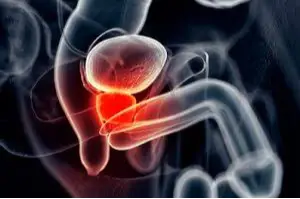
What is the prostate? The prostate is a chestnut-sized (18-20g) accessory reproductive organ located between the bladder and the penis. It lies just in front of the rectum, below the bladder, and the urethra, which allows urine to flow out of the body, passes through its center. The prostate produces some components of sperm and secretes fluid that nourishes and protects sperm. Prostatitis, or chronic prostatitis, is a chronic, inflammatory disease of the prostate that causes swelling, and can be caused by infection or non-infectious complications.
What is Chronic Prostatitis? What is Chronic Prostate Inflammation?
What is the prostate? The prostate is a chestnut-sized (18-20g) accessory reproductive organ located between the bladder and the penis. It lies just in front of the rectum, below the bladder, and the urethra, which allows urine to flow out of the body, passes through its center. The prostate produces some components of sperm and secretes fluid that nourishes and protects sperm. Prostatitis, or chronic prostatitis, is a chronic, inflammatory disease of the prostate that causes swelling, and can be caused by infection or non-infectious complications.
Many of the symptoms of prostate diseases are related to the pressure and effect it exerts on the urethra. Prostatitis often causes painful or difficult urination, as well as pain in the groin, pelvic region, or genitals. It is the third most common prostate disease after prostate enlargement and prostate cancer, occurring in approximately 10% of cases. Chronic prostatitis is diagnosed in one-third of men who present to a urology clinic with urogenital complaints.
Prostatitis is a public health problem that presents challenges in treatment. It is not contagious, and it is not possible to transmit this inflammation to a partner or spouse, but some types of prostatitis, if left untreated, can lead to more serious infections or other health problems. Prostatitis is simply a disease that impairs quality of life. The perception that it leads to prostate cancer, prostate enlargement, or other serious illnesses in the future is incorrect.
Types of Chronic Prostatitis
1- Acute Prostatitis:Although rare, it is a severe clinical condition that develops acutely (suddenly) and is more common in middle-aged and older individuals. Symptoms may include high fever, sweating, chills, nausea, vomiting, weakness, difficulty urinating, and inability to urinate. A prostate abscess may develop; it is usually bacterial and may require hospitalization. Acute bacterial prostatitis is caused by common bacteria, usually due to the penetration of infected urine into the prostate. If not treated properly, it can become chronic (10%), resulting in chronic prostatitis. Treatment of acute prostatitis is crucial and life-threatening, and sometimes requires hospitalization.
2-Chronic Bacterial Prostatitis:Chronic bacterial prostatitis is a true infection of the prostate caused by a bacterial infection (80% E. coli, Klebsiella, P. aureginosa, and Proteus) and the resulting swelling of the prostate. It is a form of prostatitis that usually occurs when a urinary tract or sexually transmitted infection progresses to the prostate, and is more common in young men. Other causes of chronic bacterial prostatitis include poorly treated acute bacterial prostatitis, high-pressure urination due to bladder outlet obstruction such as prostate enlargement and reflux into the prostate ducts, prostate stones, zinc deficiency, genetic and autoimmune factors, and rectal infections that can spread via lymphogenous routes. True chronic bacterial infection constitutes a very small percentage (3-4%) of chronic prostatitis cases. Symptoms flare up in episodes from time to time, but the causative bacteria may not be precisely identified. Treatment cannot completely eliminate the bacteria, as they form a film layer around the prostate, reducing antibiotic access.
3- Prostadinia - Non-inflammatory - Chronic Pelvic Pain Syndrome:This term refers to cases where patients experience symptoms of chronic prostatitis, but there is no evidence of prostate infection or inflammation. It is the most common type of chronic prostatitis (90%). It is not bacterial in origin, and a definitive cause is usually unknown. Patients' symptoms do not change much over time, showing occasional flare-ups. Very little is known about this type of prostatitis, and it contains many unknowns. Several theories have been proposed to explain this type of prostatitis. These include pressure buildup or elevation in the urethra in the prostate region due to various causes, irritation caused by autoimmune or chemical processes, and sensitivity and pain in the muscles and nerves within the pelvis.
4- Nonbacterial chronic (asymptomatic inflammatory) prostatitis, also called inflammatory chronic pelvic pain syndrome:Patients present with typical chronic prostatitis symptoms, but while inflammatory findings and inflammatory cells (leukocytes) are present in the urine and prostatic fluid, a bacterial agent is not present. The cause of most cases of nonbacterial prostatitis is not well understood. Inflammatory cells (leukocytes) are frequently present in the urine and prostate. Some patients may have a persistent low-grade infection that is not detectable in routine urine samples. However, in most patients with nonbacterial prostatitis, evidence of infection cannot be found even with complex tests. This type of prostatitis usually does not cause many symptoms and is often found incidentally. It does not require treatment.
In summary,Prostatitis is classified into four categories. Category 1 is called acute prostatitis. Category 2 is chronic bacterial prostatitis, category 3 is chronic pelvic pain syndrome or chronic abacterial prostatitis, and category 4 is asymptomatic prostatitis. Category 3 is the most common type of prostatitis, accounting for 90% of all prostatitis cases. Therefore, when chronic prostatitis is mentioned, category 3, or chronic pelvic pain syndrome, usually comes to mind. Its symptoms are varied and numerous. Sometimes it can severely impair quality of life, but it does not cause serious illnesses.
What are the risk factors for chronic prostatitis? What causes chronic prostatitis?
Risk factors for prostatitis include:
- Being young or middle-aged,
- Having had a urinary tract infection or prostatitis in the past,
- Congenital bladder neck elevation,
- Using a permanent or temporary urinary catheter,
- Pelvic trauma (long-distance driving, prolonged cycling, prolonged sitting, etc.),
- Having multiple sexual partners and/or having HIV/AIDS,
- Difficulty urinating (straining and/or intermittent urination)
- Having undergone a prostate biopsy is considered a risk factor for chronic prostatitis.
- Additional risk factors for chronic prostatitis/chronic pelvic pain syndrome include psychological stress and nerve damage in the pelvic region due to surgery or trauma.
Chronic Prostatitis Side Effects and Complications
Complications of acute or chronic prostatitis include:
- The spread of infection to other parts of the body through the bloodstream, or the spread of infection throughout the entire body—bacteremia.
- Inflammation of the spermatic cord, which spreads to the ducts located behind the testicle (epididymitis)
- Formation of an abscess in the prostate
- Infection that spreads to the upper pelvic bone or lower spine.
- Chronic prostatitis/chronic pelvic pain syndrome can also cause: anxiety or depression, sexual dysfunction such as inability to achieve or maintain an erection (erectile dysfunction), and changes in sperm and semen that may lead to infertility.
- Although there is no direct evidence that prostatitis causes prostate cancer, there is some scientific data, albeit unproven, suggesting that chronic prostatitis is a risk factor for cancer.
What are the symptoms of chronic prostatitis, prostatitis symptoms, and prostate inflammation?
ProstatitisOr, the symptoms of chronic prostatitis, as described above, are thought to be due to the pressure and irritation exerted by the prostate on the urethra, and the leakage of urine into the seminal ducts due to high pressure. Restlessness, anxiety, and tension; because of these complaints, the patient is constantly restless and tense, believing that they have a serious illness that has not been diagnosed. This is because the disease tends to recur constantly. However, some studies report that chronic prostatitis is a result, not a cause, in such tense patients, which is why some patients seek help from psychiatric clinics and receive a diagnosis of depression.
Patients with chronic prostatitis urinate under high pressure. This high pressure is said to cause the muscle layer that holds urine to contract during urination, allowing some urine to enter the prostate and initiating a non-infectious inflammation. The question arises: where is prostate pain felt? Prostate pain is generally felt in the tip of the penis, groin, rectum and anal region, lower back, perineum, and testicles.
When should we consult a doctor?It is important to get an accurate diagnosis and treatment as soon as possible in the following situations: inability to urinate, painful or difficult urination accompanied by fever, blood in your urine, and severe discomfort or pain in the pelvic area or genitals.
Symptoms of chronic prostatitis include:
- Urinary Complaints: SSymptoms of urinary incontinence include frequent urination, the need to urinate at night (nocturia), burning and pain during urination, difficulty initiating urination and straining during urination, a feeling of incomplete bladder emptying and a constant urge to urinate, dribbling and inability to feel relieved after urination, and a sudden urge to urinate.
- Prostate pain:Prostate pain is generally felt at the tip of the penis; symptoms may include pain or numbness at the tip of the penis, pain during intercourse, stabbing pain and a feeling of fullness in the perineal area between the anus and penis, pain and discomfort in one or both testicles, pain in the groin, lower abdomen, lower back, and anal (perineal) area.
- Cloudy urine and blood in the urine may be observed:
- Sexual problems; CSexual disinterest, premature ejaculation, erectile dysfunction, pain during or after ejaculation (sometimes lasting for several days), blood in the semen, decreased semen volume, and decreased ejaculation flow may occur.
- Flu-like symptoms can occur, especially in bacterial prostatitis:Fever, chills, and muscle aches can occur, especially in acute prostatitis.
How is Chronic Prostatitis Diagnosed? How to Recognize Prostate Inflammation?
If your doctor suspects prostatitis, they will ask you to describe your symptoms in detail. They will also inquire about your general medical history, including which medications you are taking, how much caffeine and alcohol you consume, and your sexual history, which can increase your risk of sexually transmitted infections.
Sexually transmitted infections can mimic the signs and symptoms of prostatitis. There is usually no positive laboratory finding for prostatitis. Blood, urine, and imaging tests will reveal nothing. The PSA test is more commonly used in cancer screening and for monitoring after treatment. Except for acute prostatitis, chronic prostatitis does not show any abnormalities in blood test results.
For the diagnosis of the most common type 3 chronic prostatitis, the presence of three or more of the following seven complaint groups—urinary tract, psychosocial, prostate organ, neurological, organ tenderness, and sexual function complaints—is considered diagnostic.
Urine Test:A urine sample is taken to check for signs of infection in the urine. A urine culture may be requested if necessary. Urine tests are performed before and after a rectal examination to provide insight into the source of the findings. This is called the four-tube test and is very helpful in diagnosis.
Blood Tests:PSA, a number of tests indicating focal or systemic infection, and other routine examinations are considered.
Rectal Examination:Digital rectal examination of the prostate should be performed on all patients presenting with these complaints. This is done for both diagnosis and treatment. For diagnosis, the prostate is milked during the rectal examination, and the obtained prostatic fluid is analyzed; a culture sample may be taken if necessary. The presence of more than 20 leukocytes per sample in the prostatic secretion is diagnostic. For treatment, prostate massage is performed periodically to drain inflammatory secretions from the prostate into the urethra. This also opens the ducts within the prostate, facilitating the expulsion of secretions. Furthermore, it increases blood flow, allowing the tissue to heal and enabling medications to penetrate the prostate.
Urodynamia:Bladder outlet dysfunction is detected in 9 out of 10 cases.
Imaging Tests:In some cases, a detailed examination of the urinary tract and prostate may be necessary, and a CT scan or prostate ultrasound may be requested. Based on the complaints, findings, and test results, a diagnosis is made as to which of the above-mentioned types of chronic prostatitis is present.
Cystoscopy:It is also used in differential diagnosis, helping to diagnose other prostate diseases.
Diseases that can be confused with chronic prostatitis
Prostatitis can be confused with urethral stricture, bladder neck elevation, overactive bladder, urinary tract infection, and benign prostatic hyperplasia (BPH). Their symptoms are generally similar. Chronic prostatitis is diagnosed after ruling out all these conditions through examinations.
Chronic Prostatitis Treatment, Prostatitis Treatment, Prostatitis Medications
Chronic prostatitis definitive solution, chronic prostatitis definitive treatment, chronic prostatitis treatment, prostate inflammation treatmentFirst, it is crucial to ensure an accurate diagnosis. All other diseases that can be confused with prostatitis must be ruled out. Before starting treatment, the type of prostatitis must be determined. Chronic prostatitis is a very difficult disease to treat. Treatment is given, but the disease recurs. The disease progresses with flare-ups and remissions. The goal of treatment is to alleviate or eliminate symptoms. Often, the exact cause of symptoms in a patient with chronic prostatitis is not clear; multiple factors may be involved.
A treatment that benefits one patient may not work for another with similar symptoms. While some patients improve by trying various treatments on their own, others continue to live with their symptoms despite various treatments. It is important to remember that very few of these treatments are effective for these patients. Depending on the patient's symptoms, a combination of treatments may be given to address each symptom.
Patients with chronic prostatitis should pay attention to the following: Lifestyle Changes
- They should avoid letting their bodies, especially their legs and feet, get cold.
- They should not sit on cold concrete.
- They should not drink acidic or alcoholic beverages.
- They should avoid spicy and hot foods.
- Frequent and regular intercourse and frequent ejaculation can reduce the patient's symptoms.
- Warm sitz baths may be helpful for these patients,
- They should not enter cold pools or the sea, and they should not wait around in wet swimsuits after getting out of the pool or sea.
- One should avoid constipation and stay away from stress.
1-Antibiotic Treatment:For many years, antibiotics have been the cornerstone of chronic prostatitis treatment. Antibiotics such as trimethoprim-sulfa (Bactrim), ciprofloxacin (Cipro), and levofloxacin (Levaquin) are the most commonly used agents in the treatment of chronic bacterial prostatitis. Because antibiotics have difficulty diffusing into the prostate, they are usually given in high doses for a long period, such as 4-6 weeks. For patients who do not benefit from this classic treatment, results can be obtained by using Fosfomycin 3g sachets for 4-6 weeks. Even if bacteria are not detected in the urine or prostatic fluid, chronic bacterial prostatitis may be present, and antibiotics may be recommended. Some patients may benefit from this treatment. Prostate stones are a factor that reduces antibiotic effectiveness by 40%. The patient feels relief after this treatment, but the disease may recur after 2-3 months. However, in most cases, antibiotic use alone does not eliminate the problem. For patients for whom antibiotics are ineffective, alternative treatment options are considered.
2-Alpha Blocker Drugs:Alpha-blocker medications such as tamsulosin (Flomax) or terazosin (Hytrin) can be given to relax the muscles that control the bladder. These can relieve symptoms such as urgent need to urinate, difficulty urinating, or dribbling.
3-5 Alpha-Reductase Inhibitors:Using medications that reduce the size of the prostate, such as Dudast, can also alleviate these symptoms.
4- Pain relievers and anti-inflammatory drugs:Pain relievers, anti-inflammatory drugs, and muscle relaxants can help alleviate pain and muscle spasms to some extent.
5-Biofeedback: Some patients may benefit from warm baths or biofeedback programs designed to reduce tension in the pelvic muscles.
6-Diet:Reducing or eliminating caffeine and alcohol consumption may reduce irritation of the bladder and prostate.
7-Prostate massage:Some patients may be advised to reduce edema and swelling in the prostate by urinating more frequently or by regularly massaging the prostate.
8. Managing psychological symptoms:Psychotherapy with a psychiatrist may be recommended to help manage stress, depression, or anxiety that may be associated with chronic pain. Antidepressants and anxiolytics may also be prescribed to relieve stress.
9-Thermotherapy:In chronic prostatitis, thermotherapy, an older treatment involving surgery where the prostate is heated to a certain degree by entering through the urethra, is used to damage the nerves that cause symptoms. However, it has lost popularity in recent years. Due to its high side effect profile, it has been almost abandoned. Instead, new alternative treatments have been developed that are non-invasive, harmless to the patient, and provide a permanent cure.
10- Shockwave Therapy (ESWT):ESWT stands for shockwave therapy, a technology also known as acoustic wave therapy or AWT. The shockwave device produces small shock waves that can pass through our tissues to promote healing. In fact, more powerful versions of shockwave devices have been used for many years to break up kidney stones in patients (ESWL). The less powerful version, ESWT, is commonly used for various tissue, joint, muscle, and tendon problems. In the field of urology, it is frequently and safely used for erectile dysfunction, Peyronie's disease (flaccid penis), chronic prostatitis, painful bladder syndrome, PID in women, and some other urological diseases. It is also a very good tool for managing chronic pain.
Shockwave therapy, which involves using a shockwave device to treat the perineum (the area between the anus and testicles), shows promise in the treatment of non-infectious chronic prostatitis. This treatment sends concentrated sound waves into the prostate. Side effects are unknown, and while there is scientific data suggesting it is an effective treatment, its effectiveness has not been fully proven. It has been observed to significantly reduce pain and symptoms associated with chronic prostatitis by decreasing prostate inflammation. No side effects have been reported.
11- Herbal treatment for prostate inflammation:Although many patients receive these types of treatments, there is no evidence that herbs and certain dietary supplements cure prostatitis. Some herbal remedies used for this purpose include green tea, quercetin (a chemical found in certain plant bulbs and other plants), ryegrass (cernilton), and saw palmetto (sabal fruit) extract. They are generally not recommended unless prescribed by a doctor.
12-Acupuncture:It has been effective in some patients, but its effectiveness needs further evidence.
13- Phosphodiesterase 5 inhibitors: can be used.It has relaxing and anti-inflammatory effects.
15-Pentosanpolisulfat: It is recommended for type 3 prostatitis.
The information here is for general education only and is not medical advice. Please consult your physician for personalized treatment.