









Rezum
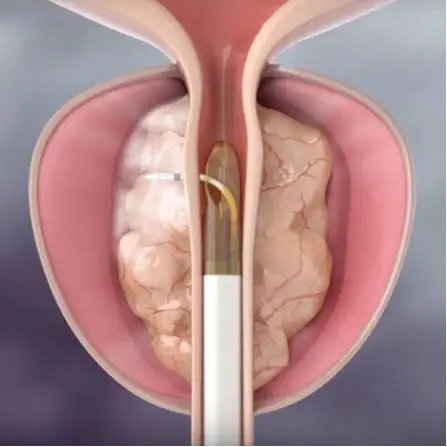
Rezum, prostate enlargement and Benign Prostatic Hyperplasia (BPH)It is an innovative method used in the treatment of prostate problems. This minimally invasive treatment utilizes steam energy to shrink the enlarged prostate tissue. By applying steam to the prostate tissue, it destroys the cell membranes and causes the enlarged tissue to shrink. As a result, urine flow improves and symptoms are relieved.
Rezum, prostate enlargement and Benign Prostatic Hyperplasia (BPH)It is an innovative method used in the treatment of prostate problems. This minimally invasive treatment utilizes steam energy to shrink the enlarged prostate tissue. By applying steam to the prostate tissue, it destroys the cell membranes and causes the enlarged tissue to shrink. As a result, urine flow improves and symptoms are relieved.
This method carries less risk than traditional surgical procedures and is usually performed on an outpatient basis. Patients can quickly return to their daily lives after the procedure and enjoy long-term relief. This treatment, performed by specialists like Prof. Dr. Hakkı Perk in Ankara, is an effective alternative, especially for patients who prefer not to undergo surgery.
One of Rezum's greatest advantages is that it provides patients with quick results. This method shortens patients' hospital stays and reduces the risk of complications. Furthermore, sexual function is generally preserved after Rezum treatment, which improves patients' overall quality of life.
Definition and Application Areas of Steam Therapy
Steam therapyThis method is used to treat prostate enlargement and other urological problems. The treatment involves delivering steam to the prostate tissue in a controlled manner. The steam disrupts the cell structure, leading to a reduction in prostate size and a decrease in symptoms.
One of the biggest advantages of steam therapy is that it is minimally invasive. This means less bleeding, less pain, and a shorter recovery time compared to surgery. Furthermore, steam therapy is usually performed under local anesthesia, eliminating the risks of general anesthesia.
This treatment method is suitable for men experiencing prostate enlargement and suffering from its symptoms. Patients experiencing problems such as difficulty urinating, frequent urination, and waking up at night to urinate can find relief with this method. Vapor therapy is an ideal option, especially for patients who do not respond to medication and do not want surgery.
What are prostate enlargement and benign prostatic hyperplasia (BPH)?
Prostate enlargement is a common condition in men that increases with age.Benign Prostatic Hyperplasia (BPH)Prostate enlargement is a condition caused by the enlargement of the prostate gland, which puts pressure on the urinary tract and obstructs urine flow. This can lead to symptoms such as difficulty urinating, frequent urge to urinate, and waking up at night to urinate.
BPH (Benign Prostatic Hyperplasia) is commonly seen in men over 40 and increases with age. Enlargement of the prostate gland can narrow the urethra, preventing the bladder from emptying completely. This can lead to thickening of the bladder walls and weakening of the bladder muscles, which can cause complications such as urinary tract infections.
BPH is usually diagnosed based on the patient's symptoms and a physical examination. Blood tests, urine tests, and imaging methods such as ultrasound can also aid in diagnosis. Treatment options include medication, minimally invasive procedures, and surgery.summarizeMinimally invasive methods like these have gained popularity in recent years.
Minimally Invasive Prostate Treatment Methods
Minimally invasive prostate treatments are less traumatic than traditional surgical methods and allow for faster patient recovery. These methods include:summarizeOptions include transurethral microwave thermotherapy and transurethral needle ablation.
Rezum reduces enlarged prostate tissue by injecting water vapor into it. The advantage of this method is that it can be performed quickly, and the patient can usually be discharged the same day. Another advantage of Rezum is that sexual function is largely preserved.
In addition, other methods such as microwave thermotherapy and needle ablation may also be effective in treating prostate enlargement. These methods target prostate tissue, relieving symptoms and improving urine flow. Minimally invasive treatments are generally recommended for patients who do not respond to medication or who prefer not to undergo surgery.
Advantages of Rezum Treatment
Rezum treatment offers several advantages, making it a prominent method for treating prostate enlargement. Firstly, it is minimally invasive and is usually performed under local anesthesia. This eliminates the potential risks and complications of general anesthesia.
Rezum allows patients to recover quickly. Most patients can go home the same day after the procedure and resume normal activities within a few days. Furthermore, this method preserves prostate tissue and generally does not affect sexual function, which improves patients' quality of life.
This treatment is suitable for patients who do not respond to medication or who do not wish to undergo surgery. Rezum is a less risky option than surgery and allows patients to experience long-term relief. These advantages make Rezum an attractive option for many men experiencing prostate enlargement.
Patient Selection and Eligibility Criteria
Rezum treatment may be an ideal option for certain patient groups. The suitability of this method depends on the patient's age, overall health, and the degree of prostate enlargement. In general, Rezum treatment is recommended for patients with moderate prostate enlargement and BPH symptoms.
This treatment is particularly suitable for patients who do not respond to medication or who prefer not to undergo surgery. Additionally, Rezum treatment can be an effective option for patients who experience difficulty urinating due to prostate enlargement and whose quality of life is negatively affected. When evaluating suitability for treatment, the patient's overall health status, other existing health problems, and expectations regarding the treatment are considered.
The suitability of Rezum treatment is determined by a detailed evaluation by a urologist. The specialist will assess the patient's medical history, current symptoms, and lifestyle to create the most appropriate treatment plan. Patients should discuss Rezum treatment thoroughly with their specialist before treatment to determine if it is the right option for them.
Clinical Applications of Rezum Therapy
Rezum therapy is a commonly used method in the management of prostate enlargement and BPH symptoms. This treatment is effective in relieving symptoms such as difficulty urinating, frequent urge to urinate, and nighttime urination. In clinical practice, Rezum therapy is generally preferred for patients with moderate BPH symptoms.
This treatment method is suitable for patients in good general health who prefer a minimally invasive approach. It is also recommended for patients who wish to preserve their sexual function and do not want to take surgical risks. This in-clinic treatment can significantly improve patients' quality of life and provide long-term symptom control.
Clinical studies have proven the effectiveness and safety of Rezum treatment. Many patients experience a significant improvement in urine flow and a reduction in symptoms after the procedure. This makes Rezum treatment a reliable option for treating prostate enlargement and BPH.
Treatment Process and Expectations
The Rezum treatment process is generally short and effortless for patients. The treatment is performed in a clinical setting by a urologist. The procedure is usually done under local anesthesia, and patients can be discharged the same day. This allows patients to quickly return to their daily lives.
After the procedure, patients may experience a mild burning sensation when urinating or a frequent urge to urinate for a few days. These symptoms are usually short-lived and resolve on their own within a few days. Patients can speed up the healing process by drinking plenty of water after the procedure.
Following Rezum treatment, patients experience a significant improvement in their quality of life. Urine flow improves, and symptoms such as waking up at night to urinate and difficulty urinating decrease. This allows patients to perform their daily activities more comfortably. Experts emphasize that Rezum treatment provides lasting results in the long term.
The information here is for general education only and is not medical advice. Please consult your physician for personalized treatment.