









Hypospadias
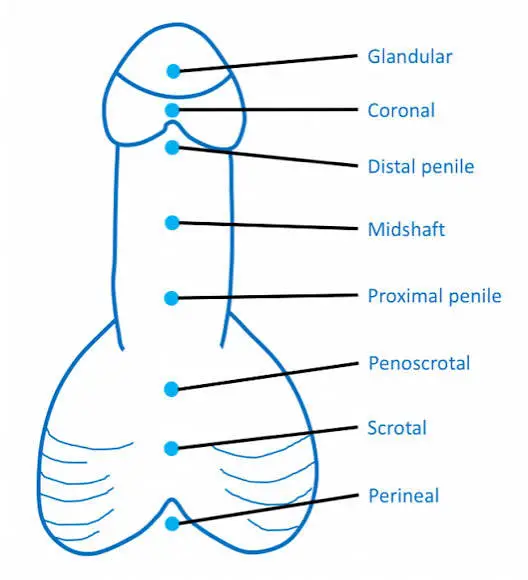
Hypospadias is a congenital abnormality of the urethral opening seen in boys. In this condition, the urethra — the channel through which urine exits the body — opens somewhere along the underside of the penis instead of at the tip. The reported incidence of hypospadias is approximately 0.3–0.8% of male births. This condition may affect both urination and sexual function and generally requires surgical correction.
Hypospadias is a congenital abnormality of the urethral opening seen in boys. In this condition, the urethra — the channel through which urine exits the body — opens somewhere along the underside of the penis instead of at the tip. The reported incidence of hypospadias is approximately 0.3–0.8% of male births. This condition may affect both urination and sexual function and generally requires surgical correction.
Hypospadias is usually diagnosed at birth during a physical examination. Pediatric urology specialists evaluate the condition and create an appropriate treatment plan together with the family. Early diagnosis and intervention play an important role in improving long-term outcomes. Therefore, it is critical for parents to recognize the condition early.
In some cases of hypospadias, congenital penile curvature may also be present. This condition causes abnormal bending of the penis and may affect sexual function as well as cosmetic appearance. When parents notice such signs, they should consult a pediatric urology clinic for specialist evaluation.
Causes of Hypospadias
Although the exact cause of hypospadias is unknown, it is believed to result from a combination of genetic and environmental factors. Individuals with a family history of hypospadias have a higher likelihood of developing the condition. In addition, exposure to certain chemicals and hormones during pregnancy may contribute to its development.
Genetic factors play a significant role in the development of hypospadias. Research suggests that parents who have one child with hypospadias are at increased risk of having another child with the same condition. Therefore, family history should be considered during risk assessment. Genetic counseling may help parents make informed decisions.
Environmental factors include certain medications and chemicals the mother may be exposed to during pregnancy. In particular, medications containing estrogen or progesterone may increase the risk of hypospadias. Awareness of such risk factors may contribute to preventive measures.
Types of Hypospadias
Hypospadias is classified according to the location of the urethral opening and consists of three main types: anterior (distal), middle, and posterior (proximal).
Anterior hypospadias refers to cases where the urethral opening is located near the head of the penis. This is the most common form and is usually corrected relatively easily with surgery.
Middle hypospadias refers to cases where the urethral opening is located along the middle portion of the penis. This type may require more complex surgical techniques, and careful evaluation during hypospadias surgery is important. In such cases, the timing of surgery and the child’s age are significant factors.
Posterior hypospadias refers to cases where the urethral opening is located near the base of the penis. This is considered the rarest and most complex form. Posterior hypospadias is frequently associated with congenital penile curvature and may be more difficult to correct. These cases generally require a multidisciplinary approach, and pediatric urology specialists play a critical role in surgical planning.
Differences Between Congenital Penile Curvature and Hypospadias
Congenital penile curvature may occur together with hypospadias, but the two conditions are different. Congenital penile curvature is a structural deformity of the penis and may exist independently of hypospadias. The degree of curvature may affect sexual function and may also lead to cosmetic concerns.
Hypospadias, on the other hand, refers specifically to displacement of the urethral opening, independent of penile curvature. The coexistence of both conditions may make surgical correction more complex. However, both conditions can generally be treated successfully during hypospadias surgery.
Pediatric urology specialists evaluate both hypospadias and congenital penile curvature by considering the patient’s overall health and functional needs. In Ankara, specialists such as Prof. Dr. Hakkı Perk provide a comprehensive approach to the management of these conditions.
Urethral Opening Abnormality: Definition and Importance
A urethral opening abnormality refers to the condition in which the urethra opens somewhere other than the tip of the penis. This condition is known as hypospadias and is usually recognized shortly after birth in male infants. A urethral opening abnormality may affect both urinary function and future sexual function.
The severity and definition of the abnormality vary depending on the type and extent of hypospadias. In mild cases, the opening may be located close to the tip of the penis, while in more severe cases, it may extend toward the base of the penis. This condition may directly affect the child’s quality of life in later years, making early diagnosis and treatment extremely important.
Urethral opening abnormalities are generally corrected surgically. Surgical treatment aims to reposition the urethra to its normal location and, when necessary, correct penile curvature. Parents who suspect their child may have this condition should consult a urology specialist as early as possible.
Hypospadias Surgery: When and How Is It Performed?
Hypospadias surgery is generally performed between 6 and 18 months of age. This age range increases the likelihood of surgical success and reduces the risk of complications. The timing of surgery may vary depending on the type and severity of hypospadias, but the general approach is to intervene as early as possible.
During surgery, the urethral opening is repositioned to its correct location, and penile curvature is corrected if necessary. Various surgical techniques may be used, and the most appropriate method is selected for each individual case. Pediatric urology specialists consider the patient’s overall health and anatomical structure when planning surgery.
After surgery, children are monitored carefully, and the healing process is closely followed. Pediatric urology specialists provide recommendations to families during the postoperative period and take necessary precautions to minimize complications. Following the specialists’ instructions during recovery is critical for successful healing.
Surgical Techniques and Methods
The surgical techniques used in hypospadias repair may vary depending on the individual case. Among the most commonly used methods are the Meatus Intact Onlay (MIO) and Tubularized Incised Plate (TIP) techniques. These methods reconstruct the urethra in its proper position while preserving the natural anatomical appearance.
The MIO technique involves creating a new urethral channel while preserving the existing urethral opening. This method is generally preferred for mild to moderate hypospadias cases. The TIP technique involves widening and reconstructing the urethral plate and is often effective in more complex cases.
The choice of surgical technique is determined according to each patient’s specific needs. Pediatric urology specialists aim to maximize surgical success by selecting the most appropriate method during preoperative evaluation. Specialists in Ankara have extensive experience in this field and provide individualized treatment approaches.
Pediatric Urology and the Management of Hypospadias
Pediatric urology is a medical specialty focused on diagnosing and treating urinary and genital disorders in children. Hypospadias is one of the most commonly encountered conditions in pediatric urology, and specialists adopt a comprehensive approach in its management. The process from diagnosis to treatment is carefully planned and implemented.
Pediatric urology specialists work closely with the families of children diagnosed with hypospadias. Families receive detailed information regarding surgical timing, techniques used, and postoperative care. Education and counseling services are also provided to help parents make informed decisions throughout the treatment process.
The management of hypospadias also involves long-term follow-up. After surgery, the child’s development and urological health are monitored closely. In large cities such as Ankara, specialists provide ongoing support to families and offer additional treatment options when necessary.
Pediatric Urology: Follow-Up and Long-Term Outcomes of Hypospadias
Pediatric urology plays a critical role in the long-term follow-up and management of urological anomalies such as hypospadias. After surgery, the child’s urological health and overall development are evaluated regularly. This process allows early identification and treatment of possible complications.
Following hypospadias surgery, urethral function and sexual development are carefully monitored. Periodic follow-up visits are performed to assess long-term outcomes. Parents should follow the recommendations of specialists and monitor their child’s health carefully during this process.
Long-term follow-up is important to ensure the durability of surgical outcomes. Successful management of hypospadias contributes to healthy urological development later in life. In Ankara, experienced specialists such as Prof. Dr. Hakkı Perk guide families throughout this process.
The information here is for general education only and is not medical advice. Please consult your physician for personalized treatment.