









ESWT
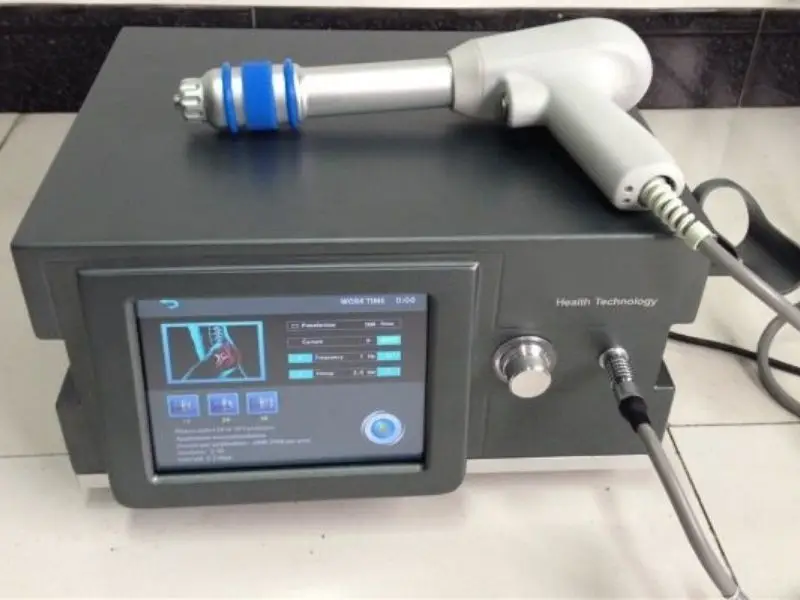
ESWT shock wave therapy, also known as extracorporeal shock wave therapy (ESWT), is a treatment method performed by directing intense and pressurized sound waves generated by a shock wave device to a targeted area of the body through a probe. This method was first designed for breaking kidney and urinary tract stones (ESWL), and it is still successfully used today for specific indications. Later, devices designed with adjustable or reduced intensity were adapted for other medical purposes and are now used in many treatment areas.
What is Shock Wave Therapy?
ESWT shock wave therapy, also known as extracorporeal shock wave therapy (ESWT), is a treatment method performed by directing intense and pressurized sound waves generated by a shock wave device to a targeted area of the body through a probe. This method was first designed for breaking kidney and urinary tract stones (ESWL), and it is still successfully used today for specific indications. Later, devices designed with adjustable or reduced intensity were adapted for other medical purposes and are now used in many treatment areas.
Shock waves generated outside the body consist of two main components: a focusing system and a shock wave generator. High-pressure sound waves (2–6 Bar) are produced by specially designed generators and transmitted to the targeted body area through a probe. As a result of these intense sound waves, certain substances in the nerve endings of the treated area, such as substance P and nitric oxide, are released. This helps reduce pain while also breaking down hardened and calcified tissues, allowing them to be absorbed and removed by the body. In addition, ESWT stimulates the release of factors responsible for blood vessel growth and new vessel formation (eNOS, VEGF, PCNA, etc.). As a result, new blood vessels develop, cell proliferation increases, and tissue regeneration occurs.
Use in Erectile Dysfunction and Penile Insufficiency
The inability to achieve or maintain a satisfactory erection for sexual intercourse and the inability to perform sexual activity satisfactorily is referred to as erectile dysfunction. The inability of a man to maintain adequate erectile function for a sufficient duration during sexual intercourse is commonly described as sexual performance loss or penile insufficiency. Patients generally complain of inadequate erections, premature ejaculation, and penile weakness.
Field studies report erectile dysfunction and sexual performance loss in approximately 50% of men between the ages of 40 and 70. Erection is only possible through proper hormonal balance, coordinated functioning of blood vessels and nerves, and psychological well-being. Although shock wave therapy and various other treatment methods are used for erectile dysfunction, no treatment method provides a 100% guaranteed result.
In recent years, ESWT has begun to be used in the treatment of erectile dysfunction. Shock wave therapy applied to the penis is generally performed over 4–6 sessions by directing shock waves to erectile penile tissue. This treatment stimulates the release of certain substances within erectile tissue, triggering new blood vessel formation and initiating a chronic wound-healing process caused by the controlled microtrauma of the shock waves.
With newer-generation devices, the energy level of shock waves and the depth of tissue penetration can be adjusted. In suitable patients, shock wave therapy for erectile dysfunction may provide positive results in approximately 50–70% of cases. If satisfactory improvement is achieved, treatment may be repeated after 6–8 months. No clearly established serious side effects have been reported. ESWT is generally recommended in combination with standard PDE5 inhibitors (phosphodiesterase-5 inhibitors).
Shock Wave Therapy in Peyronie’s Disease
Peyronie’s disease refers to a pathological condition characterized by fibrosis, calcification, and plaque formation within the erectile tissue of the penis, eventually leading to penile curvature. It is more commonly observed in men between the ages of 40 and 60. Repeated microtrauma is believed to contribute to tissue thickening and hard plaque formation, causing curvature toward the affected side. The condition is also more frequently seen in men with diabetes and hypertension.
Patients generally present with complaints of painful erections and penile curvature. Various treatment methods ranging from medication therapy to surgery may be used. However, definitive results are not always achieved, and recurrence remains possible.
Shock wave therapy for Peyronie’s disease, typically performed in 4–6 sessions, may provide complete or partial improvement in approximately 50–70% of patients. However, it is not considered a standard treatment method and is generally regarded as an adjunctive therapy alongside existing treatment options. After a three-week break, the same procedure may be repeated. Encouraging results have been reported without the need for anesthesia.
Situations Where ESWT Should Not Be Used
ESWT should not be used in the following situations:
- Bleeding disorders
- Cancer
- Presence of major blood vessels or nerves in the targeted area
- Growth plates of bones (epiphysis and spinal cord areas)
- Around cardiac pacemakers
- Areas with active infection
- Pregnancy
Frequently Asked Questions
What are the costs of ESWT sessions and shock wave therapy?
Shock wave therapy has been shown to be effective in the treatment of erectile dysfunction. ESWT treatment costs are generally lower compared to surgical procedures, oral medications, and many other methods used for erectile dysfunction treatment. ESWT pricing is usually determined according to the number of sessions required. The same pricing structure generally applies to shock wave therapy for Peyronie’s disease.
Shock wave therapy is scientifically performed in Ankara at Prof. Dr. Hakkı Perk Clinic. For appointments, patients may contact the clinic at 05432632840.
The information here is for general education only and is not medical advice. Please consult your physician for personalized treatment.