









Bladder Stone
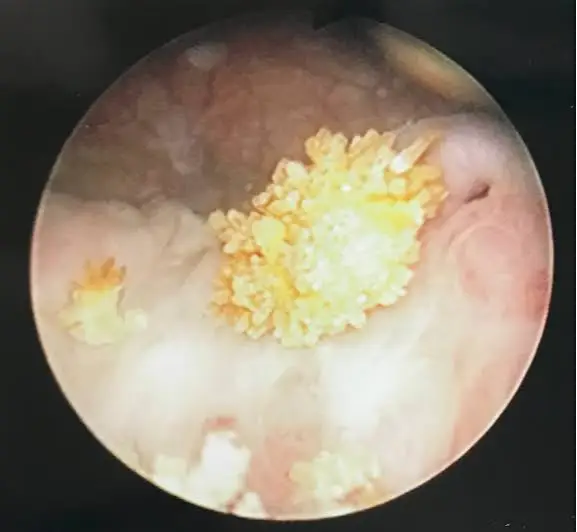
Bladder stones are a medical condition usually caused by the hardening of minerals that build up in the bladder. These stones can form due to insufficient emptying of the bladder or due to the high mineral content of the urine. Bladder stones can obstruct the flow of urine and cause pain.
Bladder stones are a medical condition usually caused by the hardening of minerals that build up in the bladder. These stones can form due to insufficient emptying of the bladder or due to the high mineral content of the urine. Bladder stones can obstruct the flow of urine and cause pain.
This condition can lead to urinary tract infections and other health problems. Although bladder stones are similar to kidney stones, they form in a different area and may present with different symptoms. Stones that form in the bladder are usually small, but they can grow and cause serious discomfort.
Understanding the causes and symptoms of bladder stones is crucial for comprehending their treatment and prevention. In Ankara, experts like Prof. Dr. Hakkı Perk offer comprehensive information and treatment services in this area.
Symptoms of Bladder Stones
One of the most common symptoms of bladder stones is pain during urination. This pain is often accompanied by a burning sensation and can be mistaken for a urinary tract infection. Other symptoms may include intermittent urination and a feeling that the bladder is not completely emptied.
- Blood in Urine:Blood in the urine is common because stones can irritate the bladder.
- Frequent Urination:You may wake up at night feeling the need to urinate frequently.
- Lower Abdominal Pain:If the stones are large, a constant pain may be felt in the lower abdomen.
If you observe these symptoms, it is important to consult a specialist as soon as possible. Many health centers in Ankara offer suitable services for the diagnosis and treatment of bladder stones.
Causes of Bladder Stones
There are many reasons why bladder stones form. The most common reason is the inability to completely empty the bladder. Urine remaining in the bladder can lead to the accumulation of minerals and, over time, the formation of stones.
- Prostate Enlargement:In men, an enlarged prostate can make it difficult to completely empty the bladder.
- Neurological Disorders:Neurological disorders that affect bladder control can cause urine to build up in the bladder.
- Blockages and Infections:Blockages and infections in the urinary tract can contribute to the formation of stones in the bladder.
These factors play a significant role in the formation of bladder stones. Regular health checkups and proper lifestyle choices are important for preventing bladder stones.
Differences Between Urinary Tract Stones and Bladder Stones
Urinary tract stones and bladder stones are two conditions that are often confused but are distinct. Both types of stones can present with similar symptoms, but they differ in terms of their formation locations and causes.
|
Feature |
Urinary Tract Stone |
Urinary calculus |
|
Location of Formation |
Kidneys and ureters |
Bladder |
|
Reasons |
Insufficient fluid intake, genetic factors |
Incomplete bladder emptying, infections |
|
Symptoms |
Back and side pain, nausea |
Burning sensation during urination, lower abdominal pain. |
|
Treatment Methods |
Stone crushing, surgical intervention |
Stone crushing, endoscopic method |
Understanding these differences is crucial for choosing the right treatment method. Urology specialists in Ankara possess the necessary knowledge and experience for accurate diagnosis and treatment.
How are bladder stones diagnosed?
Bladder stones are generally diagnosed based on symptoms and medical history. Many tests and imaging methods are used in the diagnostic process. Experts like Prof. Dr. Hakkı Perk conduct a comprehensive evaluation to ensure an accurate diagnosis.
- Physical Examination:The doctor will perform a physical examination to assess symptoms and identify any potential problems with the bladder.
- Urine Tests:Urine analysis is used to determine the presence and cause of stones.
- Imaging Methods:Methods such as ultrasound, X-ray, or computed tomography (CT) scans are used to determine the size and location of stones.
These methods help in diagnosing kidney stones and developing an appropriate treatment plan. Health centers in Ankara provide services using the latest technology and knowledge in this area.
Treatment Methods for Bladder Stones
Treatment for bladder stones varies depending on the size, location, and symptoms of the stone. Treatment options may include allowing the stones to pass naturally or surgically removing them.
- Medical Treatment:Small stones can be passed with plenty of fluids and medication prescribed by a doctor.
- Surgical intervention:Large stones can be removed surgically or endoscopically.
- Stone Crushing Methods:In cases where surgical intervention is not possible, lithotripsy methods can be used. These methods break the stones into smaller pieces, allowing them to be expelled naturally.
The treatment process should be carefully planned and implemented by a specialist doctor. In Ankara, experts like Prof. Dr. Hakkı Perk guide patients throughout this process.
Stone Crushing Methods and Applications
Stone crushing techniques are a commonly used method in the treatment of bladder stones. This method breaks the stones into smaller pieces, making them easier to pass from the body.
- ESWL (Extracorporeal Shockwave Lithotripsy):This method uses shock waves sent from outside the body to break up the stones. It is a painless and effective method.
- Laser Lithotripsy:Using an endoscopic method, lasers are applied to break up the stones. This method is generally preferred for small stones.
- Ultrasonic and Pneumatic Methods:These methods aim to break the stones apart through mechanical vibrations or pressure.
Each of these methods is chosen according to the size and location of the stone, and the patient's overall health condition. Modern urology centers in Ankara offer patients the most suitable treatment method.
Modern Urology Treatments and Endoscopic Methods
Modern urological treatments today include minimally invasive methods that prioritize patient comfort. Endoscopic techniques play a significant role in this field and are frequently used in the treatment of bladder stones.
- Endoscopic Surgery:This method allows for the removal of stones through small incisions. It offers less pain and a faster recovery process.
- Laparoscopic Methods:The stones are accessed and removed through small incisions made in the abdominal area.
- Robotic Surgery:This surgical method, performed using advanced technology, provides more precise and effective results.
In Ankara, experts like Prof. Dr. Hakkı Perk successfully apply these modern methods and offer their patients the best treatment options.
Bladder stone treatment should be performed under the guidance of a specialist doctor. Each patient's situation is different, and the most appropriate treatment method is determined after a detailed evaluation. If you are experiencing symptoms of bladder stones, I recommend consulting a specialist without delay. Health centers in Ankara offer comprehensive services in this area.
The information here is for general education only and is not medical advice. Please consult your physician for personalized treatment.