









Pediatric Stone Disease
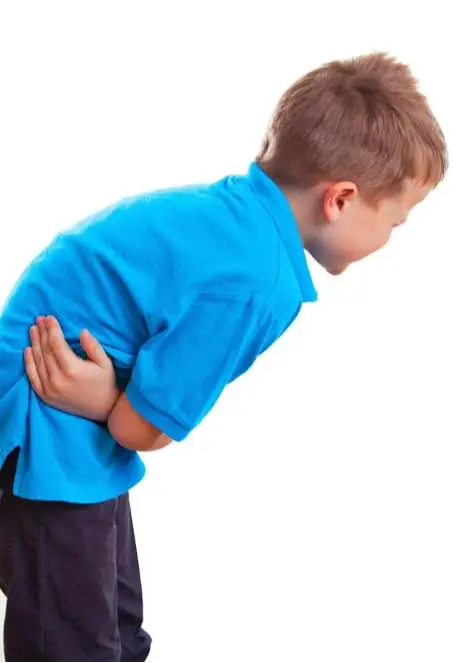
Kidney stones in children are a health problem characterized by the formation of stones in the urinary tract. This condition usually results from the accumulation of minerals in the kidneys or other parts of the urinary tract. Also known as kidney stones in children, this condition can lead to urinary tract obstruction and serious discomfort.
Kidney stones in children are a health problem characterized by the formation of stones in the urinary tract. This condition usually results from the accumulation of minerals in the kidneys or other parts of the urinary tract. Also known as kidney stones in children, this condition can lead to urinary tract obstruction and serious discomfort.
Kidney stones are usually formed by the accumulation of substances such as calcium oxalate, calcium phosphate, or uric acid. The size of the stones can vary from small grains of sand to large stones that take the shape of the kidneys. Early diagnosis and treatment are of great importance, especially in children.
Preventing and managing kidney stones in children is possible with appropriate diet and lifestyle changes. In addition, access to professional healthcare plays a critical role in preventing stone recurrence.
Symptoms of Kidney Stones in Children
The symptoms of kidney stones in children can vary depending on age and the location of the stone. One of the most common symptoms is abdominal pain. This pain usually occurs as the stone moves through the urinary tract and can be quite severe.
In addition to pain, children may experience symptoms such as burning during urination, bloody urine, frequent urge to urinate, and nausea. Urinary tract stones can obstruct urine flow, leading to infections and kidney damage. These types of symptoms raise suspicion of a stone and require immediate medical evaluation.
Recognizing the symptoms of kidney stones in children can be a challenging process for parents. However, with the help of pediatric urology specialists, the correct diagnosis and treatment methods can be determined. Experts like Prof. Dr. Hakkı Perk in Ankara can guide families through this process.
Causes of Kidney Stones in Children
There can be many causes of kidney stones in children. Genetic predisposition plays a significant role in the development of this disease. Children with a family history of kidney stones may be at higher risk. Additionally, dietary habits and insufficient fluid intake can also trigger stone formation.
Other causes of kidney stones in children include infections, metabolic disorders, and certain medical conditions. For example, recurrent urinary tract infections can facilitate stone formation. Additionally, excessive accumulation of calcium and other minerals in the body can accelerate stone formation.
Understanding these causes is crucial for developing an effective treatment plan. Professional healthcare is essential to reduce the risk of kidney stones in children and help them lead healthy lives.
Urinary Tract Stones and Stone Disease in Children
Urinary tract stones are one of the most common forms of kidney stone disease in children. These stones can form anywhere along the urinary tract, from the kidneys to the bladder. Urinary tract stones can obstruct the free flow of urine, leading to pain and infections.
In children, urinary tract stones usually develop under conditions that cause the urine to become concentrated. This can be triggered by factors such as insufficient fluid intake or urinary tract infections. Additionally, certain genetic and metabolic disorders can also lead to stone formation.
Early diagnosis of urinary tract stones is critical in the management of stone disease in children. In Ankara, specialists like Prof. Dr. Hakkı Perk provide professional support to families and children in such cases, applying effective treatment methods.
Diagnostic Methods: Tests Used in Pediatric Urology
Kidney stones in children are diagnosed through various tests and evaluations. Initially, doctors usually assess the patient through medical history and physical examination. During this stage, symptoms and possible causes of the stones are examined.
Ultrasonography is a commonly used imaging method for diagnosing kidney stones in children. This method is a safe and effective tool for determining the presence of stones in the kidneys and urinary tract. Additionally, computed tomography (CT) scans can also be used to accurately determine the location and size of stones.
Laboratory tests used in the diagnostic process check urine for blood, minerals, and signs of infection. These tests help analyze the chemical composition of the stone and guide the creation of an appropriate treatment plan.
Treatment Methods for Kidney Stones in Children
Treatment methods for kidney stones in children can vary depending on the size and location of the stone, as well as the child's overall health. Small stones can often pass spontaneously with plenty of fluids and pain management. However, surgical intervention may be necessary for larger stones or recurrent stones.
Kidney stone treatment is generally performed using minimally invasive surgical methods. Techniques such as ureteroscopy or percutaneous nephrolithotomy are used to remove stones. These methods allow for a faster recovery process in children and reduce the risk of complications.
Following treatment, dietary and lifestyle changes are recommended to prevent kidney stone formation in children. In particular, adequate water intake and a balanced diet play a critical role in preventing stone recurrence. Under the guidance of experts like Prof. Dr. Hakkı Perk, personalized treatment and prevention strategies are developed for families and children.
The information here is for general education only and is not medical advice. Please consult your physician for personalized treatment.