









Oligospermia
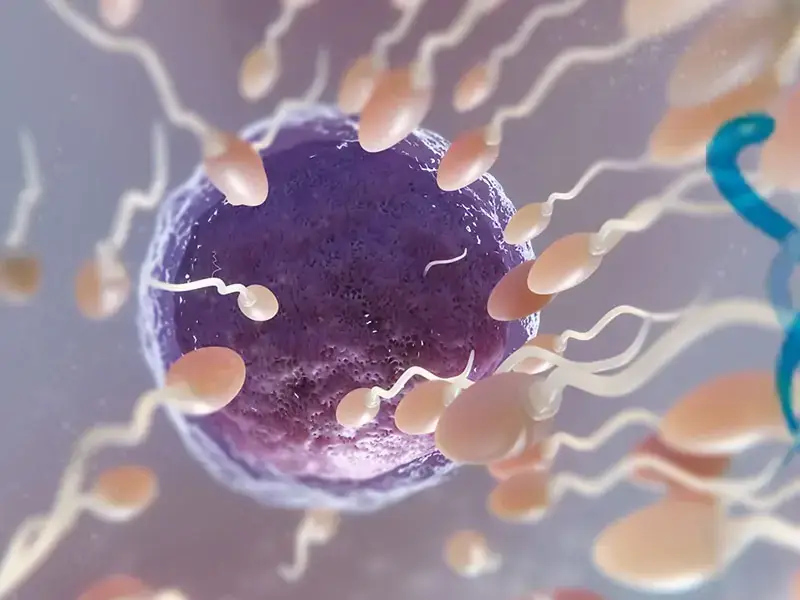
Oligospermia is a medical term used to describe a condition in which the sperm count in men is lower than normal. This condition is considered one of the common causes of male infertility. A normal semen analysis should contain 15 million or more sperm per milliliter. However, in individuals with oligospermia, this number is significantly lower, which may reduce the chances of having children.
Oligospermia is a medical term used to describe a condition in which the sperm count in men is lower than normal. This condition is considered one of the common causes of male infertility. A normal semen analysis should contain 15 million or more sperm per milliliter. However, in individuals with oligospermia, this number is significantly lower, which may reduce the chances of having children.
What Is Oligospermia?
Oligospermia is a condition that affects male reproductive capacity. Due to the low sperm count, the likelihood of fertilizing the egg decreases. Low sperm count generally plays an important role in the infertility process and may be a source of stress and anxiety for many couples. Oligospermia can be classified into three levels: mild, moderate, and severe. In mild oligospermia, the sperm count is close to normal levels, whereas in severe oligospermia, the sperm count is extremely low.
The diagnosis of oligospermia is generally made through semen analysis. This analysis evaluates sperm count, motility, and morphology. A proper analysis allows the assessment not only of sperm quantity but also sperm quality. Sperm quality is an important factor in determining the chances of pregnancy and is not based solely on sperm count.
Causes of Low Sperm Count
Low sperm count may occur due to many different factors. Genetic factors, environmental influences, and lifestyle habits may affect sperm production. For example, obesity, smoking, and excessive alcohol consumption are among the main lifestyle factors that may reduce sperm count.
Hormonal problems also play an important role. Imbalances in the body’s hormone production may directly affect sperm production. In addition to testosterone, hormones such as follicle-stimulating hormone (FSH) and luteinizing hormone (LH) are also critical for sperm production.
Environmental factors such as exposure to chemicals and toxins may also affect sperm count. In particular, men exposed to industrial chemicals or constant high temperatures have a higher risk of developing oligospermia.
The Relationship Between Male Infertility and Oligospermia
Male infertility is a complex condition that affects couples trying to have children. Oligospermia is considered one of the major causes of male infertility. Male infertility is generally associated with the quality and quantity of sperm. Insufficient sperm production or poor sperm motility may negatively affect the fertilization process.
Infertility related to oligospermia is generally diagnosed through semen analysis. This analysis evaluates not only sperm count but also sperm motility and morphology. Semen analysis results provide a general assessment of male reproductive health and help determine treatment options.
Specialists such as Prof. Dr. Hakkı Perk in Ankara may increase couples’ chances of having children by providing detailed evaluations and treatment plans for male infertility and oligospermia. Since each individual’s condition is unique, personalized treatment approaches are important.
Semen Analysis: How Is It Performed and What to Expect?
Semen analysis is a fundamental tool in evaluating male infertility. This test is performed by collecting a semen sample in a laboratory environment. During the test, sperm count, motility, and morphology are evaluated. These assessments provide comprehensive information about male reproductive health.
Before the analysis, several days of sexual abstinence are generally recommended. This may increase sperm concentration and help obtain more accurate results. During the test, laboratory specialists examine the semen sample under a microscope to assess sperm count and other characteristics.
The results of semen analysis are critical in diagnosing oligospermia. If a low sperm count is detected, suitable treatment options may be offered. This process may include a range of strategies aimed at improving male reproductive potential.
Infertility: The Role of Oligospermia
Infertility is defined as the inability of couples to conceive after one year or more of unprotected sexual intercourse. Oligospermia is one of the causes of male infertility and may further increase the difficulties couples face during this process. The presence of oligospermia may negatively affect fertilization and reduce the chances of pregnancy.
Male infertility is generally caused by problems related to sperm count and quality. In men with oligospermia, the low sperm count decreases the likelihood of fertilizing the egg. This situation may require a long-term and stressful treatment process.
Treatment options generally focus on increasing sperm count and improving overall sperm health. In this process, it is important for specialist doctors to create individualized treatment plans. These plans may include a wide range of approaches, from lifestyle changes to hormonal therapies.
Sperm Quality and Low Sperm Count
In addition to sperm count, sperm quality is also an important factor determining male reproductive capacity. Sperm quality includes sperm motility, morphology, and genetic structure. In men with low sperm count, sperm quality is often also poor, which negatively affects the chances of fertilization.
To improve sperm quality, methods such as lifestyle changes and healthy nutrition may be recommended. Consuming foods rich in antioxidants and avoiding harmful habits such as smoking and alcohol may help improve sperm quality.
In the treatment of oligospermia, increasing sperm quality may become a primary focus. This may improve male reproductive health as well as increase couples’ chances of conceiving naturally. The treatment process should be planned while considering the individual’s overall health condition and lifestyle.
Hormonal Causes and Oligospermia
Hormonal imbalances in the body are important factors that may lead to oligospermia. Hormonal communication between the hypothalamus, pituitary gland, and testicles is critical for sperm production. Any disruption in this system may lead to a decrease in sperm count.
The hormones testosterone, FSH, and LH play key roles in sperm production. Low levels or imbalances of these hormones may negatively affect sperm production. Hormonal imbalances may occur due to genetic factors, tumors, or medication use.
The presence of hormonal causes is generally detected through blood tests. These tests help determine the underlying causes of oligospermia by measuring specific hormone levels. Hormonal treatments may be used to correct these imbalances and increase sperm production.
Lifestyle Factors: Their Effects on Oligospermia
Lifestyle may directly affect sperm health. Unhealthy eating habits, obesity, stress, and harmful habits may increase the risk of low sperm count. In individuals diagnosed with oligospermia, lifestyle changes are generally an important part of the treatment process.
Regular exercise and a balanced diet are critical for improving sperm health. Consuming foods rich in antioxidants may improve sperm quality. In addition, limiting smoking and alcohol consumption may positively affect sperm count.
Stress management also has an important impact on sperm health. Chronic stress may lead to hormonal imbalances that negatively affect sperm production. Meditation, yoga, or other relaxation techniques may reduce stress levels and improve sperm health.
Treatment Options for Oligospermia
The treatment of oligospermia aims to increase sperm count and improve overall sperm health. Treatment options may vary depending on the underlying causes and should be planned individually. Hormonal imbalances, lifestyle factors, or genetic causes are evaluated in order to determine the most appropriate treatment methods.
Treatment options may include hormonal therapies, surgical interventions, and lifestyle changes. For example, in the presence of hormonal imbalances, medication may be used to regulate hormone levels. In cases requiring surgical intervention, such as varicocele, surgery may be beneficial.
Lifestyle changes generally play a supportive role during treatment. Healthy nutrition, regular exercise, and stress management may be effective in improving sperm health. Oligospermia treatment requires patience and consistency, but with the right approach, male reproductive capacity may be significantly improved.
The information here is for general education only and is not medical advice. Please consult your physician for personalized treatment.