









HPV and Genital Warts
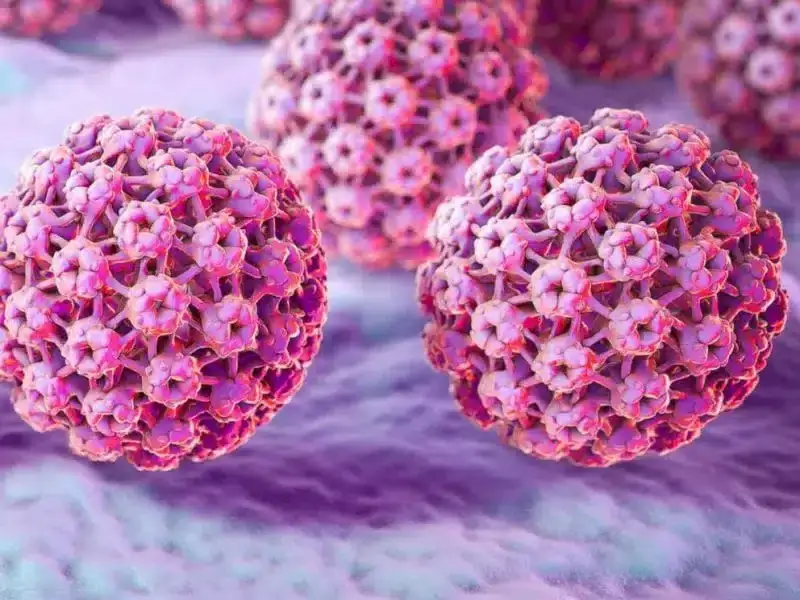
HPV(Human Papilloma Virus), the most common virus worldwide.sexually transmitted diseasesIt is among them. This virus can lead to significant health problems, particularly affecting men's health. There are many different types of HPV, and while some can cause genital warts, others can lead to more serious health problems.
HPV(Human Papilloma Virus), the most common virus worldwide.sexually transmitted diseasesIt is among them. This virus can lead to significant health problems, particularly affecting men's health. There are many different types of HPV, and while some can cause genital warts, others can lead to more serious health problems.
The importance of HPV is considered not only from an individual health perspective but also from a public health perspective. To prevent the spread of the virus, individuals need to be aware and informed about prevention methods. For those living in Ankara, seeking support from experts like Prof. Dr. Hakkı Perk is an effective way to access accurate information about the virus.
The importance of HPV stems not only from the risk of genital warts, but also from the potential for some types to cause cancer. Therefore, being informed about HPV and taking the necessary precautions is of great importance.
What are genital warts?
Genital wartsGenital warts are a common skin infection caused by HPV. They typically appear as small, skin-colored or darker, blister-like bumps, usually in the genital area. Genital warts can be both aesthetically and physically bothersome and tend to spread if left untreated.
Genital warts may not appear for several weeks or months after HPV infection. These warts are easily transmitted through skin-to-skin contact and can spread rapidly, especially between sexual partners. Therefore, it is important to be careful about sexual health and hygiene.
If left untreated, genital warts can spread further over time and leave permanent scars on the skin. Therefore, early diagnosis and treatment are important for controlling warts. Treatment options include topical medications, cryotherapy, and surgical interventions.
The Relationship Between HPV and Genital Warts
HPV andgenital wartsThe relationship stems from the fact that some types of the virus can directly cause warts. While there are numerous types of HPV, types 6 and 11 are most commonly responsible for genital warts. Therefore, individuals carrying HPV are at increased risk of developing genital warts.
The virus is usually transmitted through sexual contact. Individuals with genital warts should discuss this with their sexual partners and evaluate appropriate treatment options together. This is of great importance for both individual and partner health.
Because HPV has the potential to cause health problems other than warts, regular health checkups and screenings are important. The HPV vaccine is an effective way to prevent the spread of the virus and reduce the risk of genital warts.
Sexually Transmitted Diseases and HPV
HPV, a sexually transmitted disease, can affect the health of both men and women. These diseases can remain in the body for a long time without showing symptoms and can spread unnoticed. This poses a significant risk, especially for sexually active individuals.
HPV can coexist with other sexually transmitted diseases, complicating diagnosis and treatment. Therefore, comprehensive testing during sexual health examinations is recommended. In Ankara, seeking support from experts like Prof. Dr. Hakkı Perk is crucial for determining the correct diagnosis and treatment process.
To protect against sexually transmitted diseases, it is recommended to adopt safe sexual practices, have regular health checkups, and get the HPV vaccine when deemed necessary.
Routes of HPV Transmission
HPV, usuallysexual contactIt is transmitted through various means. However, not only sexual intercourse but also skin contact can cause the virus to spread. This can create a false sense of security in some cases and lead individuals to neglect protective measures.
To prevent the spread of the virus, it's important to limit sexual partners, use condoms, and get regular health checkups. However, condoms may not completely prevent HPV transmission, as the virus can also be transmitted through skin-to-skin contact.
The most effective way to prevent the spread of HPV is vaccination. Vaccination is particularly effective when administered at a young age and significantly reduces the health problems caused by the virus.
HPV Diagnosis Process
HPV is usually diagnosed through physical examination and laboratory tests. This process is critical for identifying the type of virus and developing appropriate treatment methods. For men's health, HPV screening is recommended during urological examinations.
In some cases, the presence of warts directly indicates an HPV infection. However, in cases without warts, specific tests may be needed to determine the presence of HPV. These tests may include DNA tests recommended by doctors and performed in a laboratory setting.
In Ankara, it is possible to obtain detailed information about accurate diagnosis and treatment processes from experts such as Prof. Dr. Hakkı Perk. These professionals can provide guidance on conducting necessary tests and evaluating the results.
HPV Treatment: Methods and Applications
HPV treatment varies depending on the type of virus and the health problems it causes. Genital warts are among the most common HPV symptoms, and there are various methods for treating them. Topical creams can help shrink warts, while cryotherapy and surgical interventions may be suitable for more resistant cases.
The treatment process should be individualized, taking into account the individual's overall health and the extent of the infection. During this process, the recommendations of experts should be followed, and treatment should not be interrupted.
Early diagnosis and treatment are crucial for preventing serious health problems caused by HPV. Therefore, being aware of sexual health and having regular check-ups with your doctor is essential.
Prevention Methods: How to Protect Yourself from HPV?
One of the most effective ways to protect against HPV is vaccination. Vaccines provide protection against the most common and dangerous types of HPV. Especially when administered at a young age, vaccines can prevent the spread of the virus and prevent it from causing serious health problems.
In addition, adopting safe sex practices is among the methods of protection against HPV. Condom use can reduce the risk of transmission, but it does not completely eliminate it. Therefore, monogamy and regular health checkups can also be considered important methods of protection.
For those living in Ankara, consulting experts like Prof. Dr. Hakkı Perk for information on sexual health and contraception can be an effective way to access accurate information.
Men's Health and HPV: What You Need to Know
From the perspective of men's health.HPVThis is an important issue and a factor that should be considered during urological examinations. HPV can cause genital warts in men, and although rare, it can also lead to some types of cancer. Therefore, men's awareness of sexual health facilitates early diagnosis and treatment.
The HPV vaccine for men is recommended for both their own health and the health of their partners. Vaccination helps prevent the spread of the virus and also helps prevent more serious health problems.
Finally, regular health checkups and sexual health awareness among men are crucial for preventing HPV and other sexually transmitted diseases.
The information here is for general education only and is not medical advice. Please consult your physician for personalized treatment.