









Dysuria
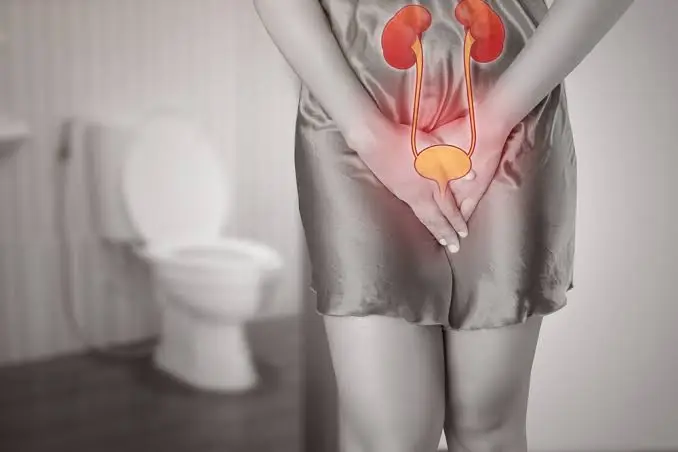
Dysuria is the medical term for pain or discomfort during urination. Often described as painful urination or a burning sensation during urination, dysuria is most commonly caused by bacterial infections of the urinary tract. However, even without infection, a burning sensation during urination can occur due to many reasons. Whether the burning sensation occurs at the beginning,
What is dysuria, or burning sensation during urination?
Dysuria is the medical term for pain or discomfort during urination. Often described as painful urination or a burning sensation during urination, dysuria is most commonly caused by bacterial infections of the urinary tract. However, even without infection, a burning sensation during urination can occur due to many reasons. Whether the burning sensation occurs at the beginning, end, or end of urination, or is continuous, can provide information about the cause and source of the burning. Other accompanying symptoms (bleeding, fever, frequent urination, etc.) also contribute to the diagnosis. Burning during urination is more common in women than men. Pain, frequent urination, and groin pain accompanying dysuria often indicate an infection. However, in middle-aged or older men who smoke and experience burning only at the end of urination, bladder cancer should be considered as a possibility. In men over 50, bladder infections are often associated with prostate enlargement or prostate infection.
What are the causes of burning during urination? What causes burning during urination?
1- Non-infectious causes:
-Causes of urinary obstruction:Urethral strictures and prostate enlargement, which are conditions that cause obstruction in the urinary tract, can cause burning during urination. Prostate enlargement, which is seen in men with increasing age, is the most common cause of burning and obstruction during urination. In these patients, along with dysuria, there are complaints of intermittent urination, split stream of urine, and urinary incontinence. Burning during urination can also occur in bladder dysfunction and vesicoureteral reflux (VUR) in children.
- Urological Cancers:Kidney, bladder, and prostate cancer, urethral cancer (urinary tract cancer). Dysuria can be an early sign of bladder cancer. In a male smoker, if there is no urinary tract infection, burning during urination and microscopic or visible blood in the urine should raise suspicion of bladder cancer.
-Kidney stones:Stone diseases (kidney, bladder, and urinary tract stones, with or without obstruction). They cause dysuria by irritating the cells of the urinary tract. There is a high rate of stone-forming substances (calcium, uric acid, oxalate, etc.) excreted in the urine.
-Other non-infectious causes include:Reiter's syndrome, Behçet's disease, vasculitis, glomerulonephritis, and other rheumatic diseases, diabetes, pregnancy, and some medication side effects can all cause dysuria. Dysuria may also occur in the later stages of pregnancy. Activities such as horseback riding or cycling, and allergic reactions and irritations to soaps, perfumes, and other personal care products can also cause dysuria. In postmenopausal women, caruncle (tissue growth around the urethra) and the resulting obstruction can cause burning during urination.
-Allergic conditions:Dysuria can occur in allergic reactions to certain foods, chemicals, herbal remedies, and medicinal drugs. It can be particularly severe in allergies to seafood (such as shrimp and squid).
2- Causes related to infection
-Cystitis:Burning sensation during urination is the most common cause, especially in women. Cystitis is very common in women aged 20 to 50. It usually begins when bacteria enter the urethra (the opening through which urine exits) during sexual intercourse. Once bacteria enter a woman's urethra, they quickly reach the bladder because the distance is short, and there they multiply, causing cystitis.
-Kidney infection (Pyelonephritis):Urinary burning is a relatively severe clinical condition accompanied by flank pain, fever, frequent urination, and nausea.
-Gonorrhea (Urethritis):Burning sensation during urination is accompanied by discharge and itching in the urethra. The type of bacteria can be estimated from the color of the discharge. It is usually a sexually transmitted infection.
-Prostatitis:Prostate infection is associated with burning during urination, frequent urination, intermittent urination, split stream of urine, and pain in the genital area.
-Epididimit ve Epididimo-Orşit:Dysuria is a testicular infection characterized by pain, swelling, redness, and fever in the testicles.
- Vaginitis:Vaginal discharge, itching, burning during urination, and pain are common symptoms. Vaginitis can be caused by fungi or bacteria. Burning during urination can also occur after menopause due to hormone withdrawal, even without signs of infection.
THIS
History taking, physical examination, blood and urine tests, and urine culture form the first step in approaching a patient with burning during urination. Even a simple urine test can provide insight into many diseases. Since approximately 60% of the causes of burning during urination are due to infections, infection-related tests should be prioritized in these investigations. If there is no evidence of infection, then other diseases and causes that can cause burning during urination are investigated. Based on the information obtained, urine flow measurement, ultrasonography, tomography (CT), and magnetic resonance imaging (MRI) may be necessary.
TREATMENT
Treatment for burning sensation during urination is directed at the underlying cause. Treatment aimed solely at reducing dysuria symptoms may involve medication if the underlying cause cannot be completely eliminated. Depending on the cause of dysuria, it usually responds well to treatment within a few days. If identifying the underlying cause is difficult or complex, symptoms may last longer. To help prevent dysuria caused by cystitis or pyelonephritis, drinking several glasses of water daily may be recommended.
The information here is for general education only and is not medical advice. Please consult your physician for personalized treatment.