









TUR-P
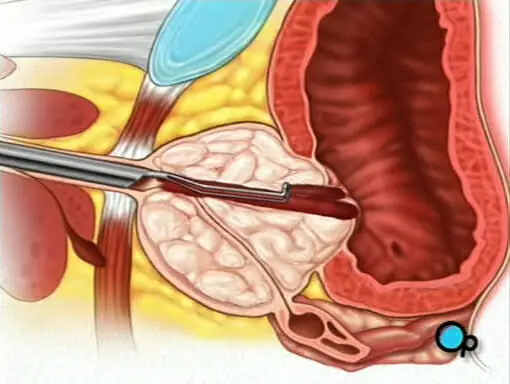
TUR-P, or Transurethral Resection of the Prostate, is a commonly used surgical procedure in the treatment of Benign Prostatic Hyperplasia (BPH). This method uses an endoscopic technique to remove the enlarged part of the prostate. Enlargement of the prostate may obstruct urine flow and negatively affect quality of life. TUR-P surgery is performed to relieve these symptoms and improve patients’ quality of life.
TUR-P, or Transurethral Resection of the Prostate, is a commonly used surgical procedure in the treatment of Benign Prostatic Hyperplasia (BPH). This method uses an endoscopic technique to remove the enlarged part of the prostate. Enlargement of the prostate may obstruct urine flow and negatively affect quality of life. TUR-P surgery is performed to relieve these symptoms and improve patients’ quality of life.
This surgical procedure is generally performed by urologists specialized in the treatment of urinary tract or bladder diseases. The main goal is to reduce the enlarged prostate tissue causing urinary tract obstruction. In Ankara, many hospitals and clinics offer advanced technology and expert medical staff for such surgeries.
Since TUR-P is a minimally invasive method, it carries a lower risk of complications compared to open surgical procedures. In addition, the recovery period is generally shorter. This allows patients to return to their normal lives quickly.
Prostate Enlargement and Benign Prostatic Hyperplasia (BPH)
Prostate Enlargement is a common condition in men as they age. Enlargement of the prostate gland may put pressure on the urinary tract and lead to difficulty urinating. Benign Prostatic Hyperplasia (BPH) is the non-cancerous enlargement of the prostate and is generally seen in middle-aged and older men.
Symptoms of BPH include frequent urination, weak urine flow, and the inability to completely empty the bladder. This condition may negatively affect quality of life and lead to various complications. Studies in the field of urology emphasize the importance of early diagnosis of BPH.
Treatment options include medication therapies, lifestyle changes, and surgical interventions. TUR-P is one of the most common surgical procedures among these options and offers an effective solution for many patients.
Closed Prostate Surgery: Advantages and Disadvantages
Closed Prostate Surgery refers to the removal of the enlarged part of the prostate using endoscopic methods. TUR-P is an example of closed prostate surgery and offers many advantages. These types of surgeries are generally characterized by less blood loss and shorter hospital stays.
Advantages include less postoperative pain compared to open surgery and a faster recovery process. In addition, the reduced risk of infection and fewer cosmetic scars are important benefits for patients.
However, closed surgeries also have some disadvantages. Especially in cases where the tumor is very large or complications are present, open surgery may be more appropriate. The most suitable treatment method for each patient should be determined after a detailed evaluation by the physician.
The Prostate Surgery Process
The prostate surgery process includes many stages, from preparation to recovery. Before surgery, the patient’s general health condition is evaluated and the necessary examinations are performed. During this process, the most appropriate treatment plan is created by considering the patient’s medical history.
On the day of surgery, the patient is prepared for the operation and anesthesia is administered. The TUR-P procedure is generally performed under spinal or general anesthesia. During the surgery, enlarged parts of the prostate are removed using a resectoscope inserted through the urethra.
In the postoperative period, the patient may need to stay in the hospital for a few days. During this time, the patient’s condition is closely monitored and the recovery process is followed carefully. Once the recovery process is completed, the patient can return to normal activities, and a significant reduction in prostate-related symptoms is observed.
Technical Details of TUR-P Surgery
TUR-P surgery is performed using a resectoscope inserted through the urethra. This device contains a wire loop powered by electrical current to cut and remove enlarged prostate tissue. During the procedure, the surgeon carefully removes the enlarged prostate tissue and opens the urinary tract.
Since this technique is minimally invasive, it offers many advantages to patients. Compared to open surgery, it causes less trauma and provides a shorter recovery period. However, there are risks of bleeding and infection during the procedure, and it is important for the surgeon to manage these risks properly.
After TUR-P surgery, the patient may need to keep a bladder catheter in place for a period of time. This catheter allows urine to be expelled from the body and contributes to the healing process while the bladder rests. Patients should continue postoperative care and follow-up according to their physician’s recommendations.
Frequently Asked Questions About TUR-P
How long does TUR-P surgery take?
TUR-P surgery generally lasts between 60 and 90 minutes. However, the duration of the surgery may vary depending on the size of the prostate and the patient’s overall health condition.
When will I recover after surgery?
The recovery period after surgery may vary from person to person. In general, patients can return to normal activities within a few weeks. However, the complete recovery process may take several months.
What are the risks of TUR-P surgery?
The risks of this surgery may include bleeding, infection, urinary incontinence, or sexual dysfunction. However, these risks are minimized when the surgery is performed by an experienced surgeon.
In conclusion, TUR-P surgery offers an effective option in the treatment of Prostate Enlargement and Benign Prostatic Hyperplasia (BPH). If you would like to get more information about this subject or consult a specialist, please do not hesitate to contact us.
The information here is for general education only and is not medical advice. Please consult your physician for personalized treatment.