









Penile Prosthesis
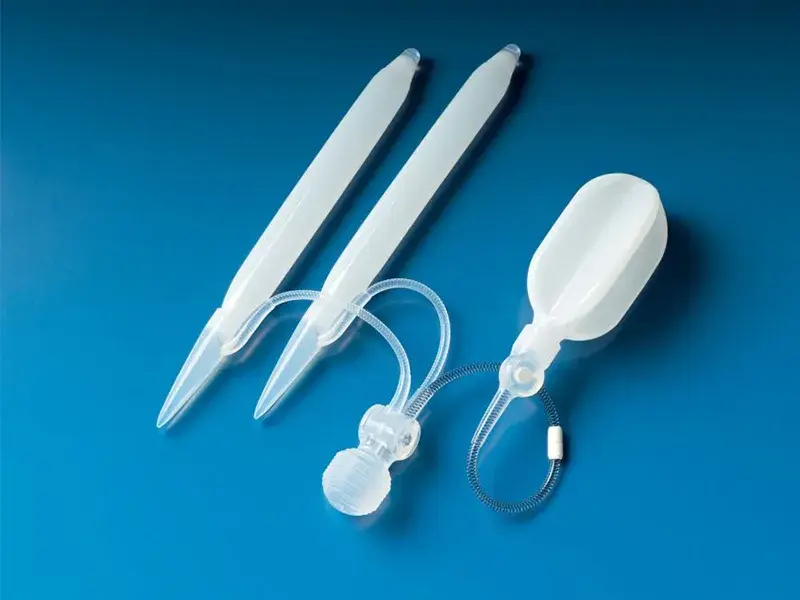
A penile prosthesis is a medical device developed for men experiencing erectile dysfunction. Generally preferred in cases where other treatment methods are ineffective, the penile implant is placed inside the penis and helps mechanically achieve an erection. This device has become a source of hope for many men struggling with erection problems.
A penile prosthesis is a medical device developed for men experiencing erectile dysfunction. Generally preferred in cases where other treatment methods are ineffective, the penile implant is placed inside the penis and helps mechanically achieve an erection. This device has become a source of hope for many men struggling with erection problems.
Penile prostheses are generally divided into two main types: semi-rigid and inflatable prostheses. Both types offer different advantages and disadvantages, and the choice is made according to the patient’s needs. After a detailed evaluation with a urology specialist, the most appropriate prosthesis type is determined and the surgical procedure is planned.
In Ankara, there are many doctors and clinics specialized in this field. In particular, Prof. Dr. Hakkı Perk is a specialist with high success rates in penile prosthesis surgery. This type of surgery requires experience and expertise, and choosing the right physician directly affects the success of the operation.
The Relationship Between Erectile Dysfunction and Penile Prosthesis
Erectile dysfunction is a condition that negatively affects men’s sexual lives and often leads to serious psychological and social problems. The penile prosthesis, also known as the “happiness stick,” offers a permanent solution for treating this condition. Prosthesis implantation is preferred when other treatment methods are ineffective or produce undesirable side effects.
A penile prosthesis provides an effective and reliable solution for men experiencing erectile dysfunction. However, the implantation of the prosthesis requires a surgical procedure, which naturally carries certain risks. The recovery process after surgery and the improvement in quality of life are directly related to proper patient selection and the use of the appropriate device.
Penile prosthesis implantation is not only a physiological solution but also a treatment method that positively affects the individual’s psychological and social life. For this reason, it is important to have detailed information about prosthesis selection and the surgical process.
Types of Penile Prostheses
Penile prostheses are generally divided into two main categories: semi-rigid prostheses and inflatable prostheses. Both types provide different advantages and ease of use. The selection is made according to the patient’s lifestyle and expectations.
Semi-Rigid Prostheses
Semi-rigid prostheses are known for their simpler structure. These prostheses remain constantly firm but can be manually adjusted. Due to their ease of use and lower cost, they may be an ideal option for some patients. However, their continuously rigid structure may lead to certain comfort issues.
Inflatable Prostheses
Inflatable prostheses are a more modern and aesthetic solution. These devices can be inflated when an erection is desired and deflated when not in use, providing a more natural appearance. The main advantages of inflatable prostheses are their natural appearance and comfortable use. However, they have a more complex mechanism and may be more expensive.
Both types of prostheses are recommended by a specialist physician after evaluating the patient’s needs and lifestyle. In Ankara, experts such as Prof. Dr. Hakkı Perk perform detailed assessments to recommend the most suitable prosthesis type for their patients.
Advantages and Disadvantages of Inflatable Prostheses
Inflatable prostheses are a preferred option for many patients. One of their greatest advantages is providing a more natural erection feel and appearance. When not in use, the prosthesis can be deflated, allowing for a more natural penile appearance and greater comfort in daily life.
Another advantage is that the prosthesis creates minimal pressure on the penis when not activated. This is important for long-term comfort and health. In addition, the natural appearance during intimacy may provide psychological comfort for both the patient and their partner.
However, inflatable prostheses also have disadvantages. First, they involve a more complex mechanical structure, which may increase the risk of device malfunction. In addition, they are generally more expensive than other prosthesis types. Therefore, all these factors should be carefully considered when choosing a prosthesis.
Appropriate Patient Selection
Penile prosthesis implantation is not a suitable solution for every patient. Therefore, proper patient selection is extremely important. The underlying causes of erectile dysfunction, the patient’s general health condition, and lifestyle are determining factors in prosthesis selection.
Patients who do not respond to other treatment methods or experience significant side effects from them may be candidates for penile prosthesis surgery. In addition, patients must be in an appropriate general health condition for surgery. Conditions such as diabetes, heart disease, or other chronic illnesses should be carefully evaluated before the procedure.
In Ankara, specialists such as Prof. Dr. Hakkı Perk are experienced in selecting appropriate patients and provide detailed guidance throughout the process. Correct patient selection directly affects postoperative satisfaction and treatment success.
Surgical Procedure and Recovery Process
Penile prosthesis surgery is a delicate procedure that should be performed by an experienced surgeon. The operation is generally carried out under general anesthesia and takes approximately 1–2 hours. The surgical process may vary depending on the type of prosthesis and the patient’s anatomical structure.
The recovery period after surgery usually lasts several weeks. During this time, patients must be careful and strictly follow their physician’s recommendations. Pain and swelling during the first few days are considered normal and gradually decrease over time. Necessary precautions should also be taken to reduce the risk of infection.
During recovery, patients should receive approval from their physician before resuming sexual activity. With proper care and follow-up, penile prosthesis implantation can lead to a significant improvement in quality of life.
Infection Risk and Preventive Measures
Although uncommon, there is a risk of infection following penile prosthesis surgery. As with all implant surgeries, this risk must be carefully managed. Infection is considered a serious complication because it may require removal of the prosthesis.
To minimize the risk of infection, several precautions should be taken before and after surgery. First, appropriate antibiotic treatment should be administered before the operation. In addition, careful sterilization of the surgical area and proper postoperative wound care are essential. Patients should follow hygiene recommendations and use prescribed medications regularly after surgery.
In Ankara, experienced specialists minimize infection risks by taking the necessary precautions before and after surgery. During this process, patient education and proper information also play a critical role in reducing infection risk.
Improved Quality of Life with a Penile Prosthesis
A penile prosthesis, commonly known as the “happiness stick,” can significantly improve a man’s quality of life. This device not only provides a physical erection but also positively affects psychological and social well-being.
The loss of self-confidence experienced in social and intimate relationships due to erectile dysfunction can largely be overcome with penile prosthesis implantation. The prosthesis enables men to return to an active sexual life and maintain healthy relationships with their partners. As a result, patients often experience a noticeable improvement in overall quality of life.
The information here is for general education only and is not medical advice. Please consult your physician for personalized treatment.