









URS
URS
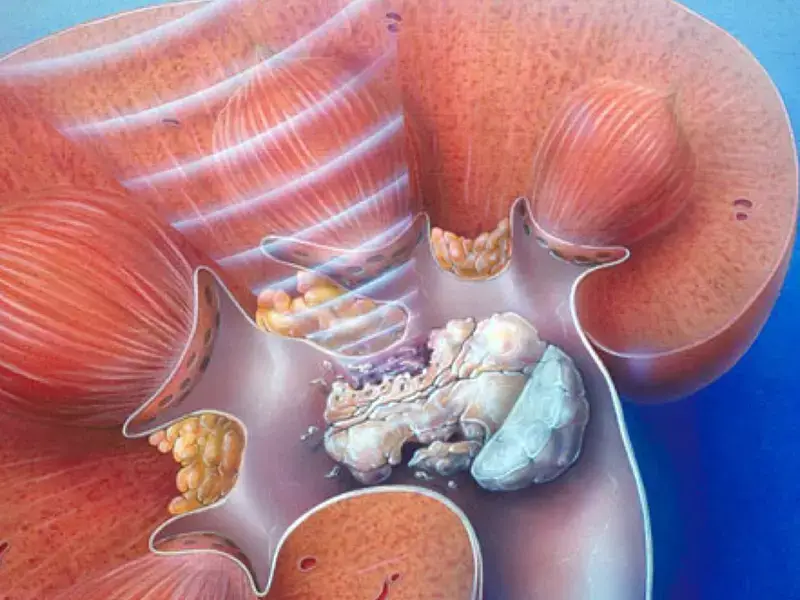
Ureterorenoscopy, commonly abbreviated as URS, is a minimally invasive surgical method used to treat stones located in the genitourinary system. This technique is especially prominent in the treatment of kidney stones and ureteral stones. URS is considered a revolution in the field of urology because it offers patients a less painful procedure and a faster recovery process.
Ureterorenoscopy, commonly abbreviated as URS, is a minimally invasive surgical method used to treat stones located in the genitourinary system. This technique is especially prominent in the treatment of kidney stones and ureteral stones. URS is considered a revolution in the field of urology because it offers patients a less painful procedure and a faster recovery process.
During the URS procedure, the urology specialist enters the urinary tract using a ureterorenoscope and reaches the area where the stone is located. With this device, the stones can be directly visualized and, if necessary, fragmented. In Ankara, such procedures are performed by experienced specialists such as Prof. Dr. Hakkı Perk, providing patients with confidence and a high success rate.
The popularity of this method has increased even further with technological advancements such as laser stone treatment. Laser technology breaks the stone into small fragments, allowing them to be naturally expelled from the body. In this article, we will examine the details and application areas of URS.
Ureterorenoscopy and Its Areas of Application
Ureterorenoscopy can be used not only for kidney and ureter stones but also for the treatment of other urinary tract obstructions. The applicability of this method depends on the size and location of the stone. URS, which is an ideal treatment method especially for ureteral stones, allows precise localization of the stone and direct intervention.
Other areas where URS can be applied include urinary tract strictures and the treatment of certain tumors. Urology specialists generally perform this procedure under general anesthesia, and the duration of the operation may vary depending on the size and location of the stone.
This minimally invasive surgical technique enables patients to recover in a shorter period of time. In addition, it carries a lower risk of complications compared to open surgery, making URS a preferred treatment method. Especially in university hospitals in Ankara, such procedures are widely performed.
Diagnosis of Kidney and Ureter Stones
The diagnosis of kidney and ureter stones is made using various imaging techniques. Ultrasonography, computed tomography (CT), and in some cases intravenous pyelography are commonly used. These techniques help determine the size and location of the stone.
During the diagnostic process, the patient’s medical history is also taken into consideration. Factors such as a family history of kidney stones, dietary habits, and daily fluid intake are important. Urology specialists evaluate this information to determine the most appropriate treatment method.
Making an accurate diagnosis is critical for the success of the treatment. The size and location of the stone play a decisive role in determining which treatment method should be applied. At this stage, methods such as endoscopic stone surgery may come into consideration.
Laser Stone Treatment: Advantages and Procedure
Laser stone treatment is one of today’s most effective and innovative methods. This procedure, performed using a Holmium laser, allows the stone to be fragmented into small pieces. The high energy of the laser breaks the stone apart, and these fragments are then expelled through the urinary tract.
One of the greatest advantages of this method is that it is minimally invasive. In other words, there is no need for large surgical incisions in the body. This accelerates the healing process and reduces the risk of infection. Patients can usually be discharged just a few hours after the procedure.
Laser stone treatment is especially ideal for large and hard stones. Doctors specialized in urology frequently use this method in Ankara. In particular, Prof. Dr. Hakkı Perk is one of the pioneering names in this field and has successfully performed numerous operations.
Endoscopic Stone Surgery: Methods and Techniques
Endoscopic stone surgery is another important technique used together with ureterorenoscopy. Endoscopic stone surgery allows direct visualization and removal of stones. This method is especially suitable for large stones.
In this technique, a thin endoscope is inserted into the urinary tract to reach the area where the stone is located. If necessary, the stone is fragmented using a laser or another energy source. The quality of the devices used during this procedure and the experience of the physician directly affect the success of the operation.
Technical details may vary depending on the size and location of the stone. For example, different methods may be used for kidney stones and ureter stones. Therefore, each patient’s condition is evaluated individually, and the most appropriate method is selected.
Stone Localization and Surgical Approaches
The localization of the stone determines which surgical approach will be used. Different applications are available for stones in the kidney and stones in the ureter. The location, size, and hardness of the stone are important criteria in creating the treatment plan.
Kidney stones may generally have a more complex structure and therefore may require more advanced surgical techniques. In such cases, laparoscopic methods may be preferred. Ureter stones, on the other hand, can usually be treated with simpler techniques, and URS is an effective option in this regard.
In both cases, determining the surgical approach requires a detailed diagnostic process. During this process, supportive equipment such as a Double J stent may also be included in the treatment plan. In Ankara, such detailed evaluations are carefully carried out by specialist physicians.
The Use and Importance of Double J Stents
A Double J stent is a device frequently used in the treatment of ureteral stones. This stent facilitates urine flow and helps the stone pass more easily from the body. It also accelerates the healing process of the ureter after surgical procedures.
The placement of the stent is generally a simple procedure performed under local anesthesia. By keeping the urinary tract open, the stent reduces pressure in the kidneys and minimizes the risk of pain and complications.
Another advantage of stent use is the prevention of recurrent stone formation. Therefore, it is especially preferred for patients with recurring stone problems. In Ankara, Prof. Dr. Hakkı Perk and his team have extensive experience in Double J stent applications.
Post-URS Patient Follow-Up and Care
Patient follow-up after URS is critically important for the success of the treatment. During the postoperative period, there are several important points patients should pay attention to. These measures are essential for reducing the risk of infection and accelerating recovery.
First of all, patients are advised to consume plenty of fluids after the procedure. This helps the remaining stone fragments pass more easily. In addition, regular use of the medications prescribed by the doctor reduces the risk of infection and helps control pain.
Follow-up examinations are important for evaluating the patient’s condition and planning additional treatments if necessary. In urology centers in Ankara, such follow-up processes are carried out meticulously.
The information here is for general education only and is not medical advice. Please consult your physician for personalized treatment.