









TUIP
TUIP
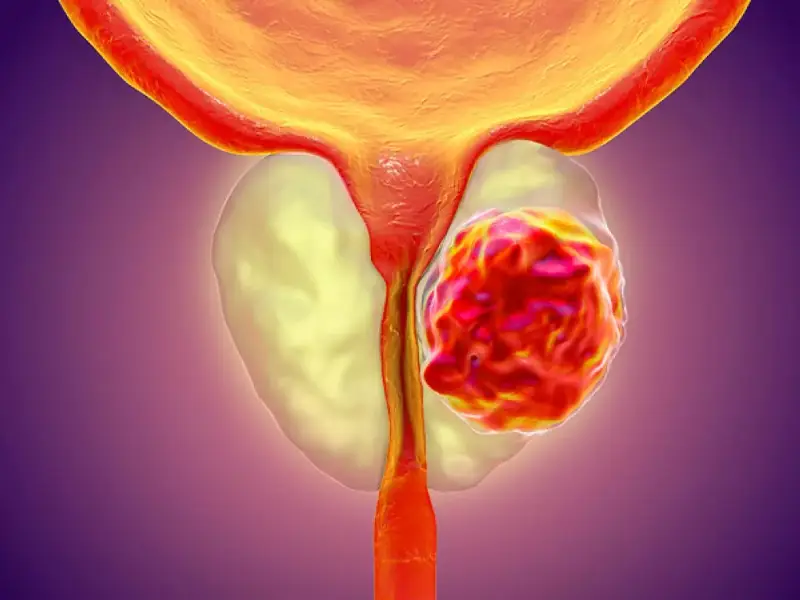
Transurethral Incision of the Prostate (TUIP) is a minimally invasive treatment method used to relieve urinary tract obstruction caused by enlargement of the prostate gland. Conditions such as Prostate Enlargement and Benign Prostatic Hyperplasia (BPH) are commonly seen, especially in middle-aged and older men. In this article, we will discuss the medical accuracy and effectiveness of TUIP. We will also explain the advantages of this treatment method and how it is performed.
Transurethral Incision of the Prostate (TUIP) is a minimally invasive treatment method used to relieve urinary tract obstruction caused by enlargement of the prostate gland. Conditions such as Prostate Enlargement and Benign Prostatic Hyperplasia (BPH) are commonly seen, especially in middle-aged and older men. In this article, we will discuss the medical accuracy and effectiveness of TUIP. We will also explain the advantages of this treatment method and how it is performed.
Causes of Prostate Enlargement and Benign Prostatic Hyperplasia (BPH)
The prostate is an important part of the male reproductive system and is located just below the bladder. Enlargement of the prostate is generally a natural process associated with aging. However, in some men, this enlargement may lead to a condition called Benign Prostatic Hyperplasia (BPH), causing obstruction in the urinary tract. Causes of BPH may include hormonal changes, genetic factors, and environmental influences such as diet.
Symptoms of BPH include frequent urination, especially increased nighttime urination, weak urine flow, and the feeling that the bladder is not completely emptied. These symptoms may seriously affect quality of life and may require treatment. In major cities such as Ankara, awareness regarding such health problems is increasing, and information about treatment options is being provided.
Specialists such as Prof. Dr. Hakkı Perk offer their patients the most up-to-date and effective treatment methods for BPH and prostate enlargement. In this context, TUIP stands out as a preferred treatment option.
Advantages of TUIP and Minimally Invasive Prostate Treatment
TUIP is an effective minimally invasive procedure used to relieve urinary tract obstruction caused by prostate enlargement. One of the most important advantages of this method is reduced tissue damage and a faster recovery process. Classified as a Minimally Invasive Prostate Treatment, TUIP offers a technique in which surgical intervention is minimized.
During this procedure, a special instrument is inserted through the urethra, and a portion of the prostate is incised. This improves urine flow and relieves symptoms. Compared to traditional surgical methods, TUIP carries a lower risk of complications and usually requires a shorter hospital stay. Thanks to these features, it has become an attractive option for many patients.
TUIP is particularly suitable for patients who require surgical treatment but wish to avoid more invasive methods because of their general health condition or other factors. These treatments usually require only a short hospital stay and provide a rapid recovery process.
TUIP Procedure Process
The TUIP procedure is performed in a hospital setting by an experienced urologist. First, the patient’s general health condition is evaluated to determine suitability for the procedure. During this stage, prostate volume and the severity of symptoms are taken into consideration. TUIP is a procedure that requires careful evaluation for appropriate patient selection.
The procedure is generally performed under spinal or general anesthesia. The urologist enters through the urethra using a specialized instrument and makes small incisions in the enlarged part of the prostate. These incisions improve urine flow and reduce the pressure caused by the prostate. The procedure usually takes less than 30 minutes, and the patient may be discharged on the same day.
After TUIP, most patients may return to normal activities within a few days. However, the complete recovery process may vary from person to person. Certain precautions should be taken during recovery, including avoiding heavy lifting and maintaining adequate fluid intake.
Appropriate Patient Selection: Who Is Suitable for TUIP?
TUIP may not be appropriate for every case of prostate enlargement. Therefore, proper patient selection is extremely important. TUIP is generally suitable for patients with small prostate volumes and no serious health problems. At the same time, patients with mild to moderate symptoms may benefit from this treatment method.
For TUIP to be successful, factors such as the patient’s overall health condition, age, and severity of symptoms should be considered. Urology clinics in Ankara perform comprehensive examinations and tests to evaluate patient suitability. This process plays a critical role in patient safety and treatment success.
With guidance from specialists such as Prof. Dr. Hakkı Perk, patients may determine the most appropriate treatment option for themselves. TUIP may effectively solve prostate enlargement problems, but correct patient selection is the key to this success.
Differences Between TUIP and TURP
TUIP and TURP (Transurethral Resection of the Prostate) are two different methods used in the treatment of prostate enlargement. Both procedures aim to relieve urinary tract obstruction, but they differ in terms of technique and suitability criteria. Understanding these differences may help patients determine which treatment option is more appropriate for them.
- TUIP is a procedure in which the prostate is relieved through small incisions, whereas TURP involves removing part of the prostate tissue. Therefore, TURP is considered a more invasive method.
- TUIP is generally recommended for patients with smaller prostate volumes, whereas TURP is more suitable for patients with larger prostate volumes.
- Recovery after TURP may take longer, and the risk of complications such as bleeding is higher. In contrast, TUIP offers a shorter recovery period and a lower risk of complications.
Both methods have advantages and disadvantages. Therefore, treatment selection should be individualized according to the patient’s condition. Specialists in the field of urology may guide patients in determining the most suitable method to achieve the best possible outcomes.
Recovery Process After TUIP
The recovery process after TUIP is generally fast and smooth. Most patients may return to daily activities within a few days. However, the complete recovery period may vary depending on the individual’s overall health condition. There are several important points to consider during recovery.
First Days
After the procedure, mild pain or discomfort during urination may occur. This is generally temporary and decreases over time.
Fluid Intake
Drinking plenty of water helps cleanse the urinary tract and accelerates the healing process.
Activity Level
Heavy lifting and strenuous activities should be avoided during the first few weeks. These activities may negatively affect the recovery process.
Regular follow-up examinations help detect possible complications early during recovery. Specialists such as Prof. Dr. Hakkı Perk provide patients with the necessary guidance throughout this process.
Frequently Asked Questions About TUIP
What Is TUIP?
TUIP is a minimally invasive surgical method used for patients experiencing urinary flow problems due to prostate enlargement. It is also known as Transurethral Incision of the Prostate and aims to relieve the obstruction caused by the prostate.
Who Is Suitable for TUIP?
TUIP is generally suitable for patients with small prostate volumes and no serious health problems. This method provides an effective solution for patients with mild to moderate symptoms.
How Long Is the Recovery Period After TUIP?
Although the recovery period after TUIP varies from person to person, most patients may return to daily activities within a few days. However, it is important to rest for a certain period and follow the doctor’s recommendations for complete recovery.
What Is the Difference Between TUIP and TURP?
TUIP is a procedure in which the prostate is relieved through small incisions, whereas TURP involves removing part of the prostate tissue. TURP is generally more suitable for patients with larger prostate volumes and is considered a more invasive method.
The information here is for general education only and is not medical advice. Please consult your physician for personalized treatment.