









HoLEP
HoLEP
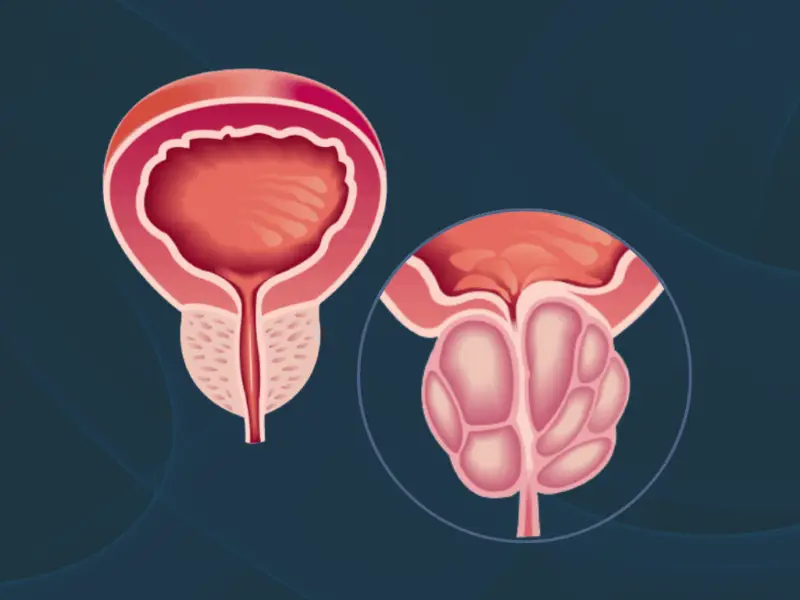
HoLEP, which stands for Holmium Laser Enucleation Prostatectomy, is a modern and effective surgical method used in the treatment of prostate enlargement. This technique is especially applied in cases of benign prostate enlargement known as Benign Prostatic Hyperplasia (BPH). HoLEP removes prostate tissue using laser technology, thereby relieving patients’ symptoms.
HoLEP, which stands for Holmium Laser Enucleation Prostatectomy, is a modern and effective surgical method used in the treatment of prostate enlargement. This technique is especially applied in cases of benign prostate enlargement known as Benign Prostatic Hyperplasia (BPH). HoLEP removes prostate tissue using laser technology, thereby relieving patients’ symptoms.
Unlike other traditional methods, HoLEP is less invasive and offers many advantages to patients. With this technique, the inner part of the prostate is removed using a laser without damaging the surrounding tissues. As a result, patients experience a faster and more comfortable recovery process after surgery.
In Ankara, HoLEP is performed by experienced specialists in the field of urology, such as Prof. Dr. Hakkı Perk, with the aim of improving patients’ quality of life. Thanks to this method, individuals suffering from prostate problems may return to their daily activities more quickly.
Advantages of Laser Prostate Surgery
Laser Prostate Surgery offers many advantages compared to traditional surgical methods. First of all, the risk of bleeding is significantly reduced with this method. Laser technology seals blood vessels instantly, minimizing blood loss and thereby lowering the risk of postoperative complications.
In addition, the risk of infection is lower in laser surgeries. Since the laser causes less damage to tissues, it accelerates the body’s healing process. This shortens hospital stays and allows patients to return to their daily lives more rapidly.
Finally, laser prostate surgeries are especially suitable for large prostates. This method enables even large prostate tissues to be removed safely and effectively. Therefore, patients suffering from Prostate Enlargement may experience a more comfortable treatment process with this surgical method.
What Is Benign Prostatic Hyperplasia (BPH)?
Benign Prostatic Hyperplasia (BPH) is a common condition in men that increases with age. Characterized by enlargement of the prostate gland, this condition generally causes symptoms such as difficulty urinating and a feeling of urinary urgency. BPH is a benign enlargement and should not be confused with prostate cancer.
BPH is especially common in men over the age of 50. Enlargement of the prostate gland places pressure on the urinary canal, making urination more difficult. Over time, this may weaken the bladder muscles and increase urinary problems.
There are various treatment methods available for this condition. Medications, surgical interventions, and minimally invasive techniques are commonly used in the treatment of BPH. HoLEP is one of the most prominent treatment options among these methods and provides effective results.
Use and Effects of the Holmium Laser
The Holmium Laser is considered a revolutionary technology in the field of urology. This type of laser removes prostate tissue by vaporizing or cutting it with high energy levels. One of the greatest advantages of the Holmium laser is that it causes minimal damage to surrounding tissues.
By targeting prostate tissue with millimetric precision, the Holmium laser makes the surgical procedure extremely safe. This feature accelerates the postoperative recovery process and allows patients to return to their daily lives quickly. In addition, the laser’s effective bleeding control reduces the risk of complications during and after surgery.
This laser technology is preferred by many urology specialists. In Ankara, experienced physicians such as Prof. Dr. Hakkı Perk achieve highly successful surgical outcomes using the Holmium laser. This results in high patient satisfaction throughout the treatment process.
Prostate Volume and Patient Selection
Prostate volume is an important criterion in patient selection for HoLEP surgery. Large prostates are generally difficult to treat with traditional surgical methods. However, HoLEP allows even large prostate tissues to be removed effectively.
During the patient selection process, the patient’s general health condition should be evaluated in addition to prostate volume. Especially in individuals with cardiovascular diseases or other chronic illnesses, the less invasive nature of HoLEP may make it a preferred option. With its minimal bleeding risk and rapid recovery process, this method offers a safe alternative for such patients.
The important point is that each patient’s condition should be evaluated individually and the most appropriate treatment method should be determined. Urology specialists perform detailed examinations and evaluations to determine whether HoLEP is suitable. This process ensures that patients receive the best possible treatment.
Differences Between HoLEP and TUR-P
HoLEP and TUR-P (Transurethral Resection of the Prostate) surgeries represent two different approaches used in the treatment of prostate enlargement. Although both methods aim to remove prostate tissue, there are significant differences in the techniques used and the outcomes achieved.
First of all, HoLEP uses laser technology to remove prostate tissue. This method is more suitable for large prostates and carries a lower risk of complications such as bleeding. On the other hand, TUR-P removes prostate tissue using an electrically powered loop. This method is generally preferred for small or medium-sized prostates.
There are also differences in recovery time. Patients who undergo HoLEP surgery generally recover more quickly and have shorter hospital stays. TUR-P surgeries may require a somewhat longer recovery period. Both methods have their own advantages and disadvantages, and the most appropriate treatment should be decided after a detailed evaluation between the patient and the physician.
Recovery Process After HoLEP Surgery
The recovery process after HoLEP surgery is generally fast and smooth. The precision provided by laser technology minimizes the risk of postoperative complications and allows patients to return quickly to their daily routines.
During the first few days after surgery, mild pain and discomfort are considered normal. However, these symptoms are usually mild and may be controlled with simple pain relievers. In addition, drinking plenty of fluids and following the doctor’s recommendations will help accelerate the healing process.
Most patients are able to return to work within one week. However, heavy physical activities should be avoided. During the first few weeks, patients should attend regular follow-up appointments to ensure that the recovery process progresses properly. By carefully following the recommendations of your urology specialist during this period, you may achieve a healthy and rapid recovery.
Frequently Asked Questions About HoLEP
Frequently asked questions about HoLEP surgery are generally related to the safety, effectiveness, and recovery process of this treatment method. Here are some commonly asked questions and answers:
How long does HoLEP surgery take?
HoLEP surgery generally takes between 1–2 hours. However, the duration of the operation may vary depending on the size of the prostate and the patient’s overall health condition.
When will I recover after HoLEP surgery?
Most patients recover within a few days after surgery and may return to their daily activities within one week. However, the full recovery process may vary from person to person.
Is HoLEP surgery risky?
HoLEP is a minimally invasive method, and the risk of complications such as bleeding and infection is quite low. However, as with any surgical procedure, there are certain risks involved, and you may obtain detailed information about them from your doctor.
The information here is for general education only and is not medical advice. Please consult your physician for personalized treatment.