









ESWL
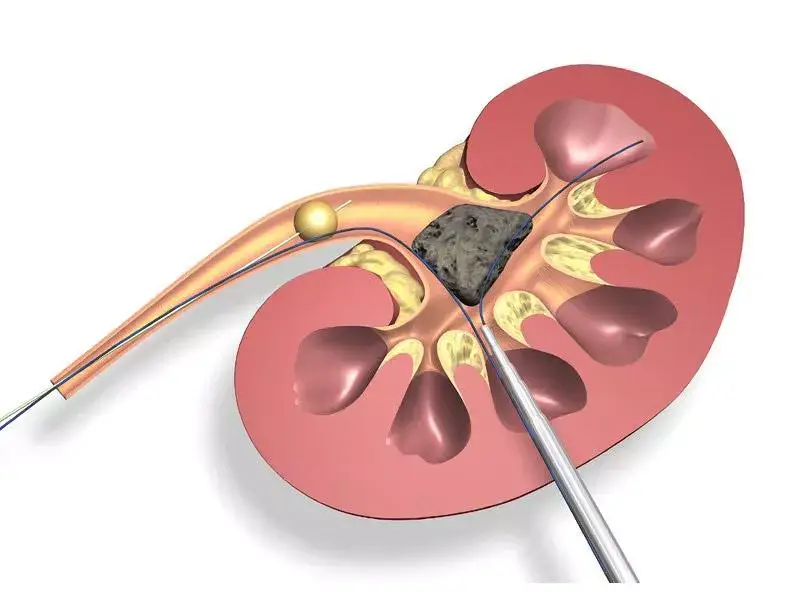
ESWL, or Extracorporeal Shock Wave Lithotripsy, is a procedure used to break kidney stones using shock waves sent from outside the body. This method allows kidney stones to be treated without surgical intervention. The shock waves are focused on the kidney stones, breaking them into smaller fragments that can then be passed naturally through the urinary tract.
ESWL, or Extracorporeal Shock Wave Lithotripsy, is a procedure used to break kidney stones using shock waves sent from outside the body. This method allows kidney stones to be treated without surgical intervention. The shock waves are focused on the kidney stones, breaking them into smaller fragments that can then be passed naturally through the urinary tract.
This treatment method offers an effective option for many patients with kidney stones. Especially for those who want to avoid surgical procedures, ESWL stands out as a minimally invasive alternative. For patients suffering from kidney stone problems, shock wave therapy is an attractive option due to its fast recovery process and low risk of complications.
However, the applicability of ESWL may not be the same for every patient. Factors such as the size, location, and hardness of the stone affect the success of the treatment. Therefore, proper patient selection is of great importance. A professional urology specialist will perform the necessary evaluations to determine whether ESWL treatment is suitable for you.
Advantages of Shock Wave Therapy
Shock wave therapy offers many advantages because it is a non-invasive method. First of all, no surgical incision is made during ESWL treatment, which reduces the risk of infection and shortens the recovery period. Patients usually receive mild anesthesia during the procedure, making the treatment quite comfortable.
Secondly, shock wave therapy provides a rapid recovery process. Most patients can return to their normal activities within a few days after treatment. This is a major advantage, especially for patients who do not want to interrupt their work or daily lives. ESWL offers effective treatment without causing any loss in quality of life.
Finally, the success rate of ESWL is quite high. It provides an effective solution, especially for kidney stones smaller than 2 cm. Prof. Dr. Hakkı Perk, based in Ankara, is an experienced urology specialist who uses the latest technologies to increase the success rate of ESWL treatment. Such specialists personalize the treatment process to ensure that patients achieve the best possible outcomes.
Kidney Stones and Stone Breaking Treatment
Kidney stones are accumulations of minerals and salts in the urinary tract. These stones can block urine flow and cause severe pain and discomfort. Stone breaking treatment is a method used to help these stones pass naturally from the body. ESWL is one of these treatment methods and works by fragmenting kidney stones.
The most important consideration in stone breaking treatment is the size and location of the stone. Large and hard stones can be more difficult to break compared to small and soft stones. Therefore, the most appropriate treatment method should be selected according to the characteristics of the stone. Hounsfield Unit is a measurement unit used to determine the hardness of the stone. The higher the hardness of the stone, the more difficult it may be to break.
ESWL treatment can also be used for ureteral and bladder stones in addition to kidney stones. However, ESWL is not suitable for every stone type and location. Therefore, the most appropriate treatment option should be determined through a detailed evaluation. Urology specialists shape the treatment plan according to the characteristics of the stone and the patient’s general health condition.
Applicability of ESWL Treatment
The success of ESWL treatment depends on many factors. First of all, the size and hardness of the stone determine the effectiveness of the treatment. Small and medium-sized stones can generally be broken successfully with ESWL. However, additional treatments may sometimes be needed for larger stones.
The location of the stone is also an important factor. Stones located in the kidney or the upper part of the ureter are more suitable for ESWL. On the other hand, different treatment methods may be preferred for stones located in the lower ureter or bladder. Therefore, each patient’s condition should be evaluated individually.
Finally, the patient’s general health condition also affects the suitability of ESWL. ESWL may not be appropriate for patients with heart disease, severe obesity, or bleeding disorders. In such cases, the patient and doctor should determine the best treatment option together. Many urology specialists in Ankara provide the most suitable treatment by carrying out these evaluations.
Evaluation of Stone Size and Hardness
Stone size and hardness are critical factors for the successful application of ESWL treatment. Generally, stones smaller than 2 cm can be effectively broken with ESWL. However, the hardness of the stone also plays an important role in this process. The Hounsfield Unit measurement is used to determine stone hardness, and as this value increases, the stone may become more difficult to fragment.
The hardness of the stone determines how the treatment plan will be shaped. Stones with high Hounsfield Unit values may require more shock waves or alternative treatment methods may be considered. For example, in some cases, softening the stone or removing it surgically may be necessary.
Accurate evaluation of stone size and hardness is essential for the success of the treatment process. Experienced urology specialists such as Prof. Dr. Hakkı Perk evaluate these factors to provide patients with the most suitable treatment options. In this way, patients can achieve the most effective results with minimal risk.
Hounsfield Unit and Stone Analysis
Hounsfield Unit (HU) is a measurement unit used to evaluate the hardness and density of stones. This method, used during stone analysis, plays an important role in assessing the stone’s fragility. Stones with high HU values are generally harder and more difficult to break.
Stone analysis is one of the main factors affecting the success of ESWL. This analysis also reveals the chemical composition of the stone and the reasons for its formation. Thus, appropriate measures can be taken to prevent stone recurrence after treatment. Thanks to stone analysis, patients can receive a more personalized treatment plan.
The detailed stone analysis performed before ESWL treatment plays a critical role in planning the treatment process. In Ankara, such analyses are carried out using modern technology to provide patients with the best treatment outcomes. In this way, ESWL treatment can be performed more effectively and safely.
Proper Patient Selection and Treatment Process
The success of ESWL treatment depends on proper patient selection. This treatment method may not be suitable for every patient. Factors such as stone size, hardness, and the patient’s general health condition determine the applicability of ESWL. Therefore, a detailed evaluation before treatment is essential.
The treatment process generally consists of several stages. First, detailed information about the patient’s kidney stone is collected. Then, the size and hardness of the stone are evaluated. Based on this information, the treatment plan is personalized. The pre-treatment and post-treatment processes are carried out in a comfortable and safe environment for patients.
Finally, regular follow-up examinations after ESWL treatment are important. These follow-ups are necessary to evaluate the effectiveness of the treatment and to prevent stone recurrence. Patients should follow the recommended instructions after treatment and attend regular doctor check-ups. This reduces the risk of recurrent kidney stones and improves overall health.
The information here is for general education only and is not medical advice. Please consult your physician for personalized treatment.