









Sexuell übertragbare Krankheiten
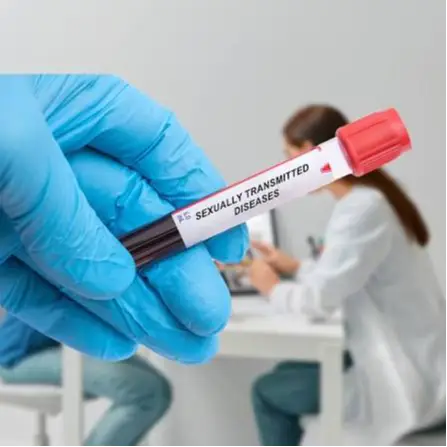
Sexually transmitted diseases (STDs) or sexually transmitted infections (STIs), CYBE),What are STDs?, What are STIs?:These are infections, or inflammations, usually transmitted through sexual contact; caused by bacteria, viruses, or parasites that spread from person to person through blood, semen, vaginal or anal (i.e., anal or rectal sex), and other bodily fluids.
What are sexually transmitted diseases (STDs)?
Sexually transmitted diseases (STDs) or sexually transmitted infections (STIs), CYBE),What are STDs?, What are STIs?:These are infections, or inflammations, usually transmitted through sexual contact; caused by bacteria, viruses, or parasites that spread from person to person through blood, semen, vaginal or anal (i.e., anal or rectal sex), and other bodily fluids. Sometimes these infections can also be transmitted from mothers to their babies during pregnancy or childbirth, or through blood transfusions or contaminated needles.Sexually transmitted diseasesIt may not always show symptoms. It is possible to contract a sexually transmitted disease from people who appear perfectly healthy and may not even know they have an infection.Sexually transmitted diseases in menSexually transmitted diseases (STDs) in men and women are of the same type and are evaluated together. The public should be publicly informed about STDs and their symptoms, and information should be provided about the routes of transmission.
What are the symptoms of sexually transmitted diseases?
Sexually transmitted diseases (STDs) or STD symptoms: They may present with no symptoms at all, or they may manifest with several symptoms. Sometimes, the presence of the disease in a man can be detected through symptoms appearing in his spouse or sexual partner. In other cases, the disease progresses insidiously and may only suddenly become apparent when it causes more serious problems.
When do sexually transmitted diseases become apparent?In response to this question, it is stated that symptoms of sexually transmitted diseases (STDs) usually appear a few days after sexual intercourse or exposure; however, sometimes, depending on the type of infection, they may not show any symptoms for years. Therefore, it is recommended that those who are sexually active, have had suspicious and unprotected sexual encounters, or have symptoms of the disease, should definitely consult a doctor. It is also important for men and women considering their first sexual experience to consult a doctor and receive advice.
Symptoms of sexually transmitted diseases (STDs) include:
- In the genitals; wounds or swellings, lesions in the penis, mouth or anal (rectal) area
- Burning and pain while urinating
- Colored or colorless discharge from the penis or urethra that stains underwear (gonorrhea)
- Unusual or foul-smelling vaginal discharge in women
- Unusual vaginal bleeding
- Pain during sex
- Painful, swollen lymph nodes in the groin area.
- Sometimes abdominal pain
- Fever, chills
- Rash-like skin lesions on the body, hands, and feet.
Sexually transmitted diseases, also known as sexually transmitted infections, are caused by microorganisms.
- BACTERIA: Gonorrhea, syphilis, and chlamydia are sexually transmitted diseases caused by bacteria.
- PARASITES: Trichomoniasis is a sexually transmitted disease caused by a parasite.
- VIRUSES:sexually transmitted virusThe most common sexually transmitted diseases (STDs) are HPV, genital herpes, and AIDS (HIV).
- Other types of infections – hepatitis A, B, and C viruses, shigella infection, and giardia infection – can be spread through sexual contact, but it is also possible to contract these infections without sexual contact.
- MUSHROOMS:sexually transmitted fungusThis condition, while not very common, is not rare either. On average, about 15% of men can contract a yeast infection on their penis and other genitals after sexual contact with a woman.
Risk Factors for Contracting Sexually Transmitted Diseases
Everyone who is sexually active carries some degree of risk of contracting a sexually transmitted disease (STD). Factors that increase this risk include:
- Unprotected sexual intercourse and sex:Vaginal or anal intercourse with an infected spouse or partner who does not use a condom significantly increases the risk of contracting a sexually transmitted infection (STD). Using improper or poor-quality condoms can also increase this risk.
- Having sexual intercourse with multiple partners:The more people you have sex with, the greater your risk of contracting a sexually transmitted infection (STD).
- Having previously had a sexually transmitted infection (STI):This makes it much easier for another sexually transmitted infection to take hold.
- Being raped or assaulted:Being forced into sexual intercourse is also a risk factor for sexually transmitted infections (STDs). In this case, it is important to see a doctor immediately for examination, treatment, and emotional support.
- Alcohol and drug use:Uncontrolled alcohol consumption or recreational drug use: Substance abuse and addiction can impair sound decision-making, making individuals more willing to engage in risky behaviors.
- The use of dirty needlesUsing the same needles to inject medication on multiple people carries a particular risk of spreading many serious infections, including AIDS (HIV), hepatitis B, and hepatitis C.
- Being young:The newly emerging sexually transmitted disease (STD) accounts for half of all cases, affecting individuals between the ages of 15 and 24.
- Mother-to-baby transmission:Certain sexually transmitted diseases (STDs), such as gonorrhea, chlamydia, HIV, and syphilis, can be transmitted from mothers to their babies during pregnancy or childbirth. STDs transmitted to babies can cause serious problems and even death.
Complications of Sexually Transmitted Diseases
Possible effects and complications of sexually transmitted diseases include:
- Chronic pain in the groin area
- Pregnancy complications
- Eye inflammation, and inflammation of the eye
- Joint inflammation, Arthritis
- Pelvic inflammatory disease (PID),
- Infertility
- Heart disease
- Certain cancers associated with HPV: While most commonly manifesting as genital warts (condyloma) in men, HPV is implicated in many cancers in both men and women. There are over 200 known types of HPV, and 15 of the sexually transmitted HPV types are considered carcinogenic. HPV infection is known to cause cervical cancer, as well as cancers of the penis, tongue, oro-nasopharynx, larynx, and tonsils, and these can appear years after infection.
Ways to Prevent Sexually Transmitted Diseases (STDs)
Sexually transmitted diseases, that issexually transmitted diseases prevention methodsThese are:
- Abstaining from sexual intercourse:The most effective way to protect yourself from sexually transmitted diseases is to avoid such sexual activity altogether.
- Choosing a partner you are sure does not have a sexually transmitted disease (STD):Another reliable way to avoid sexually transmitted diseases is to remain in a long-term relationship where both individuals only have sex with each other and neither partner becomes infected.
- Testing for sexually transmitted diseases before intercourse:It may be advisable to avoid vaginal and anal intercourse until both partners are tested for sexually transmitted diseases.
- Vaccination:Getting vaccinated early, before sexual contact, is also effective in preventing some types of sexually transmitted diseases (STDs). The best examples of this are the human papillomavirus (HPV), hepatitis A, and hepatitis B vaccines.
- The HPV vaccine is recommended for 11 and 12-year-old girls and boys; it is reported to be more effective in the 9-26 age group, and according to the latest concept, it can be administered to all age groups.
- The hepatitis B vaccine is usually given to newborns, while the hepatitis A vaccine is recommended after the age of one. Both vaccines are also recommended for individuals who are not immune to these diseases and who are at high risk of infection, such as those in male-to-male relationships and intravenous drug users.
- The consistent and correct use of condoms and dental kits:Using a new latex condom or dental kit for each sexual encounter, whether oral, vaginal, or anal, can be effective. Latex condoms are more effective at protection than condoms made from natural membranes, but it's important to remember that they offer less protection in those with exposed genital lesions such as those caused by HPV or Herpes. Also, birth control methods such as birth control pills or intrauterine devices (IUDs) do not protect against sexually transmitted diseases (STDs).
- Do not consume excessive alcohol or drugs:If you are under the influence of alcohol or drugs, you are much more likely to take sexual risks.
- Communicating with your partner:Before any serious sexual contact, communicate with your spouse or partner to practice safer sex. Make sure you specifically agree on which activities are appropriate and which are not.
- Circumcision:There is evidence that circumcision in men reduces the risk of contracting HIV from an HIV-positive woman by up to 60%. Male circumcision may also help prevent the transmission of genital HPV and genital herpes.
- Use of pre-exposure medication (prophylaxis):In high-risk individuals, two drug combinations can be used to reduce the risk of HIV infection. These may be emtricitabine plus tenofovir disoproxil fumarate (Truvada) and emtricitabine plus tenofovir alafenamide fumarate (Descovy). This combination can be used if there is no existing HIV disease and solely for the purpose of preventing AIDS. These combinations reduce the risk of contracting HIV by 74-99%.
How are sexually transmitted diseases tested for and diagnosed?
Physical Examination:If you've had suspicious sexual intercourse and your current symptoms and complaints suggest you have a sexually transmitted disease (STD) or sexually transmitted infection (STI), the first step in diagnosis is a physical or pelvic examination to look for signs of infection such as rash, warts, or discharge from the urethra.
What is an STI test? What is a sexually transmitted disease (STD) test? The tests that can be done for sexually transmitted diseases (STDs) are as follows:
- Blood tests: Blood tests are used to diagnose many sexually transmitted diseases, including HIV (AIDS) and syphilis.
- Urine samples. Urine tests, cultures, and PCR analyses may be required for the diagnosis of some sexually transmitted diseases. Panels related to sexually transmitted diseases may be conducted.
- Discharge and body fluid samples: If you have open genital sores, your doctor may test samples of fluid and sores to diagnose the type of infection.
Screening tests for sexually transmitted diseases (STDs) or sexually transmitted infections include: Screening refers to testing individuals who show no symptoms of a sexually transmitted disease.
Screening tests for sexually transmitted diseases (STDs) are requested in the following situations:
- Here are the things almost everyone needs to do:The only recommended sexually transmitted infection screening test for everyone aged 13 to 64 is a blood or saliva test for the human immunodeficiency virus (HIV), the virus that causes AIDS. It is also recommended that people at high risk get tested for HIV annually.
- Hepatitis C Test:People born between 1945 and 1965 have a higher incidence of hepatitis C. Since the disease often shows no symptoms until it progresses, screening for hepatitis C is recommended for everyone in this age group.
- Pregnant women:All pregnant women should generally be screened for HIV, hepatitis B, chlamydia, and syphilis before their first pregnancy. Additionally, women at high risk for these infections are advised to undergo gonorrhea and hepatitis C screening at least once during pregnancy.
- Women aged 21 and over:Because HPV is a serious risk factor for cervical cancer, routine Pap tests are recommended during sexually active women to screen for infections and cancerous changes. It is suggested that women have a Pap test every three years starting at age 21. After age 30, it is recommended that women have both an HPV test and a Pap test every five years. Alternatively, women over 30 can have a Pap test alone every three years, or an HPV test alone every three years.
- Sexually active women under the age of 25:Testing for chlamydia infection in urine or vaginal fluid samples is recommended for all sexually active women under the age of 25. It is common to contract the infection repeatedly from an untreated or inadequately treated carrier, so a second test is needed to confirm that the infection has cleared. This is especially true for chlamydia infections. Gonorrhea screening is also recommended for sexually active women under the age of 25.
- Men who have sex with other men:Compared to other groups, men who have sex with other men are at higher risk of contracting sexually transmitted infections (STDs). Many public health groups recommend annual or more frequent STD screening for these men. Regular testing for HIV, syphilis, chlamydia, and gonorrhea is particularly important. Evaluation for Hepatitis B may also be recommended.
- Those with AIDS:People who are HIV positive have a significantly increased risk of contracting other sexually transmitted infections. Therefore, testing for syphilis, hepatitis C, gonorrhea, chlamydia, and herpes is recommended after an HIV diagnosis.
- People who have a new partner:Before engaging in sexual activity with new partners, it is advisable for both parties to get tested for sexually transmitted infections (STDs). However, a negative test does not always mean the disease is absent.
How are sexually transmitted diseases treated?
Sexually transmitted diseases (STDs) or sexually transmitted infections (STIs) caused by bacteria are generally easier to treat. Infections caused by viruses are manageable, but not always curable. If a woman has a sexually transmitted infection during pregnancy, getting treatment immediately can prevent or reduce the risk of her baby becoming infected.
Treatment for sexually transmitted diseases (STDs) or sexually transmitted infections (STIs) is done as follows:
- Antibiotics:Antibiotics, usually given in a single dose, can treat many sexually transmitted bacterial and parasitic infections such as gonorrhea, syphilis, chlamydia, and trichomoniasis. Gonorrhea and chlamydia infections can often be treated simultaneously. It is important to take the prescribed medication regularly and at the full dose; treatment that is not taken at the correct dose and duration can lead to chronicity. Avoiding sexual contact during treatment is important. To prevent reinfection, it is beneficial to be retested within 3 months, especially in women.
- Antiviral drugs:If you have herpes simplex or HIV (AIDS), an antiviral medication is prescribed. Antiviral drugs can keep HIV infection under control for years. However, it should be kept in mind that it may not be completely eliminated from the body, you may continue to carry the virus, and although the risk is lower, you can still transmit it to someone else. The earlier HIV treatment begins, the more effective it will be.
- Control tests:Sexually transmitted disease (STD) tests should be repeated after a certain period following treatment.
- Partner Screening and Treatment:In cases of sexually transmitted diseases (STDs), current partners or spouses, including any previous partners from the past three months to a year, need to be informed and encouraged to get tested. It is also important that partners who test positive for the disease receive treatment.
Die Informationen dienen nur der Aufklärung und ersetzen keine ärztliche Beratung.